
 E-Paper



Anti-drone tech used for first time to guard VVIPs at parade
Anti-drone weapons, including those indigenously manufactured by the Defence Research and Development Organization (DRDO), were deployed at Janpath to protect high-value targets at the parade.

 Prefer HTon Google


National security planners on Sunday deployed anti-drone weapons to secure VVIPs during the Republic Day parade - the first instance of India attempting to neutralise the growing threat from unmanned aerial vehicles (UAVs) -- according to people familiar with the matter.
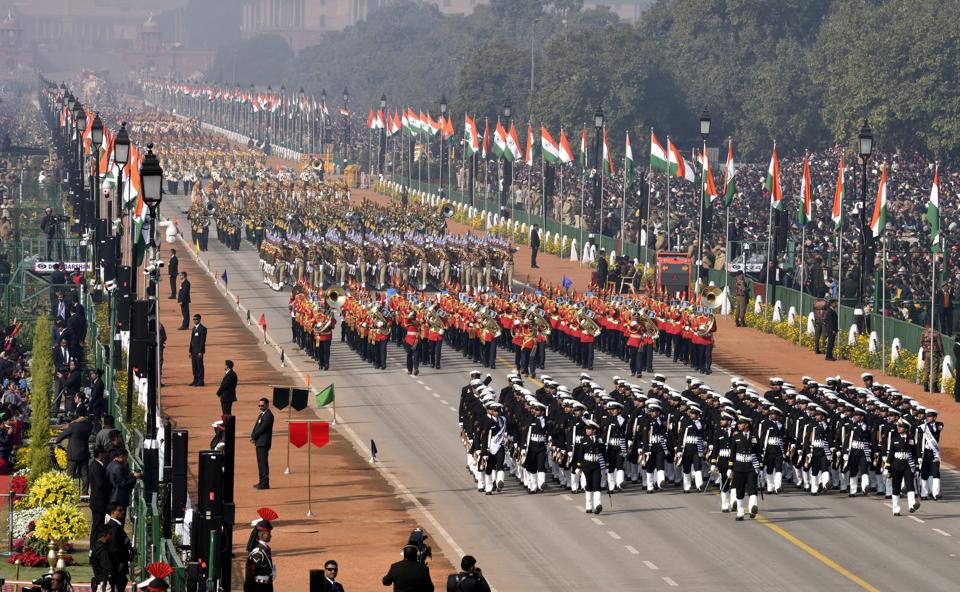
While security agencies are tight-lipped on the details of its classified action, HT has learnt that anti-drone weapons, including those indigenously manufactured by the Defence Research and Development Organization (DRDO), were deployed at Janpath to protect high-value targets at the parade.
The decision to deploy anti-drone weapons was taken by Union home minister Amit Shah after intelligence agencies reported the possibility of terrorists using UAVs to target VVIPs in a bid to embarrass the Narendra Modi government on the global stage. Though India’s anti-drone capability is limited, DRDO and security forces responded by setting up a platform.
DRDO uses electro-optical laser pulses and radars to track hostile drones, and then either jams the radio frequency between the machine and the operator or destroys UAVs using laser technology. Interestingly, the classified drone weapon was on the day DRDO showcased its anti-satellite weapon at the parade.
Indian security agencies are concerned about the growing threat from drones, with the Pakistani deep state using Chinese-made UAVs to deliver weapons payloads across the Punjab border and the Line of Control (LoC) in recent months.
At least four Chinese drones have been recovered by Punjab Police since August 2019. They were used to drop assault rifles, satellite phones, grenades and pistols to terror operatives in Punjab. Security officials said the same modus operandi is used to drop weapons in Jammu & Kashmir. They added that the threat is even more serious with China developing armed drones, which fire missiles to destroy high-value targets.
“Rather than sending a human across the LoC, drone provides a cheap and effective way to stockpile weapons in J&K by Pakistan-based jihadist groups. Even if the drone gets shot down, there is total deniability, and handlers don’t have to pay huge sums of money to the family of the weapon courier if he gets killed by Indian security forces,” said a senior official who asked not to be named.
Meanwhile, the Bureau of Civil Aviation Security (BCAS) – in a high-level meeting of a committee under BCAS director general Rakesh Asthana last week -- finalised specifications for a system to counter rogue drones at Indian civilian airports. The specifications have now been sent to the civil aviation minister for approval.


