
 E-Paper



Banks liable for safety of lockers: SC; asks RBI to issue guidelines in 6 months
Going by past decided cases before the National Consumer Commission and High Courts, the top court noticed that the banks often took the line of defence that they were not liable as they were not aware of the contents of lockers.

 Prefer HTon Google


Banks offering locker and safe deposit facilities owe a duty of care to customers operating the lockers and are liable for its safety, the Supreme Court held in a significant decision passed on Friday.
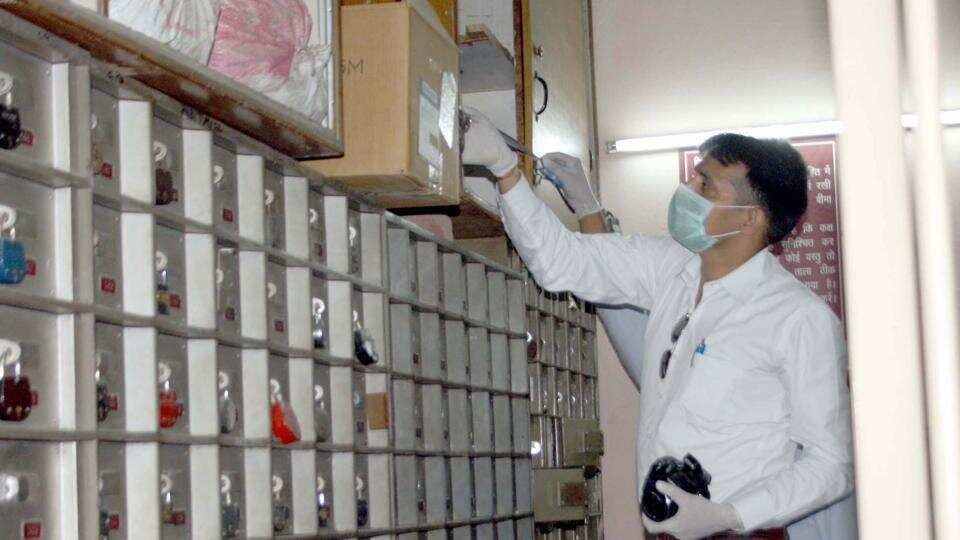
Issuing guidelines in this regard, a bench of Justices Mohan M Shantanagouder and Vineet Saran said, “Banks as service providers under the Consumer Protection Act owe a separate duty of care to exercise due diligence in maintaining and operating their locker or safety deposit systems. This includes ensuring the proper functioning of the locker system, guarding against unauthorized access to the lockers and providing appropriate safeguards against theft and robbery.
“The very purpose for which the customer avails of the locker hiring facility is so that they may rest assured that their assets are being properly taken care of,” the Court said in its order. It observed how in a globalized world, the steady movement towards a cashless economy has made lockers an essential service for the common man.
“The banks cannot wash off their hands and claim that they bear no liability towards their customers for the operation of the locker….this will lead to a state of anarchy wherein the banks will routinely commit lapses in proper management of the lockers, leaving it to the hapless customers to bear the costs,” the bench observed. Such actions of the banks would not only be violation of the Consumer Protection Act but also damage investor confidence and harm reputation of our emerging economy, the judges added.
The case before the Court was of a hapless consumer whose locker was broken open by United Bank of India’s Kolkata branch in September 1994 for non-payment of rent. He approached the district consumer court for compensation. The top court held, “The breaking open of the locker was in blatant disregard to the responsibilities that the bank owed to the customer as a service provider,” and went on to award ₹five lakh compensation to the petitioner and ₹one lakh towards litigation expenses. The bank was directed to pay the amount to the petitioner either by itself or by deducting it from the salaries of the erring bank officials, provided they were still in service.
While examining the case, the Court stumbled upon the fact that the Reserve Bank of India (RBI) did not specify the liability of banks in such a scenario. In 2007, RBI issued directions to banks imposing duty of care in respect of protection of bank lockers and mandating transparency vis-à-vis the locker holder in allotment and breaking open of the lockers. However, it was largely left to the individual banks to formulate the exact procedures for fulfilling this duty of care. Going by past decided cases before National Consumer Commission and High Courts, the top court noticed that the banks often took the defence that they were not liable as they were not aware of the locker contents.
The bench said, “The banks as custodians of public property cannot leave the customers in the lurch merely by claiming ignorance of the contents of the lockers.” The present state of regulations on locker management was found “inadequate and muddled” by the Court with every bank following its own procedure.
The threat faced by customers would be more pronounced in modern times with dual key operated lockers giving way to digital lockers, the judges opined. Customers would be completely at the mercy of the bank for protection of their assets and the electronically operated lockers could face manipulation by miscreants.
Taking a proactive approach, the bench gave RBI six months to lay down comprehensive directions mandating the steps to be taken by banks with respect to locker/safe deposit facility management. While doing so, the banks should not have the liberty to impose unilateral and unfair means on the consumers, the bench said. Till such time the RBI guidelines are framed, the Court directed the principles laid down in this judgment to be binding upon banks.
In the present case, although the bank accepted its mistake as the petitioner had cleared dues of 1994-95 prior to the breaking open of his locker, the bench laid down that henceforth, due notice in writing shall be given to the locker holder giving reasonable time prior to breaking open of the locker.
Further, the locker shall be opened in the presence of authorized officials and an independent witness after due notice is served to the locker holder. This part was considered essential as the petitioner in the present case alleged that he was returned only two gold ornaments while he had kept seven ornaments in the locker. The Court did not examine this issue and asked the petitioner to file a civil suit where evidence in this regard could be submitted.


