E-Paper



Chauffeur to chargé d’affaires: List of India, Pak staffers expelled in the past
India’s decision on Thursday to expel a visa official of the Pakistani mission on charges of espionage is just the latest in a long list of actions taken against diplomatic staffers by both countries.

 Prefer HTon Google


India’s decision on Thursday to expel a visa official of the Pakistani mission on charges of espionage is just the latest in a long list of actions taken against diplomatic staffers by both countries.
As far back as November 1963, Abdul Majid, a driver at the Pakistan high commission in New Delhi, was arrested by Delhi Police on charges of obtaining secret information from an office assistant in India’s defence ministry. India subsequently asked three officials of the Pakistani mission to leave within 48 hours.
Here are some other instances of officials and diplomats being expelled by both countries:
December 1988: India expelled Brig Zaheer Abbasi, the Pakistan Army attaché, after a Delhi Police team caught him in a hotel handing over Rs 25,000 for secret documents.
October 1997: Pakistan expelled SK Chaudhury from the Indian high commission in Islamabad and India retaliated calling for the withdrawal of Murad Balochfrom the Pakistani mission in New Delhi. The previous month, both sides had expelled one staff member each.
February 2000: India expelled three Pakistani diplomats because of “activities incompatible with their official status”.
December 2001: India recalled its ambassador to Pakistan in response to an attack on its Parliament by militants from Pakistan-based groups and both countries cut the size of staff at their diplomatic missions.
May 2002: India expelled Pakistani envoy Ashraf Jehangir Qazi as tensions spiked and New Delhi accused Islamabad of backing militants who attacked an army camp in Kashmir.
January 2003: India expelled four members of the Pakistani mission in New Delhi, including first secretary Mohammed Asif senior and counsellor Muzaffar Sayeed, as they had been found “indulging in activities incompatible with their official status”. The move followed allegations that the most senior Indian diplomat in Islamabad had been harassed by Pakistani authorities.
February 2003: Jalil Abbas Jilani, then chargé d’affaires or the number two at the Pakistan high commission, was expelled along with four others because their activities were not in line with their diplomatic status. Pakistan retaliated by expelling India’s acting high commissioner Sudhir Vyas and four officials in the mission in Islamabad, including first secretary Rahul Rasgotra. Jilani, who was accused of providing Rs 3 lakh to separatist Kashmiri leaders, went on to become Pakistan’s foreign secretary.
August 2006: Pakistani expelled Deepak Kaul, a counselor at the Indian high commission in Islamabad, after accusing him of possessing “sensitive documents”.
Kaul denied the allegation and said he was unlawfully detained and interrogated while driving from Islamabad to Lahore. India retaliated by expelling Syed Muhammad Rafique Ahmed, a counsellor in the Pakistan mission in New Delhi.
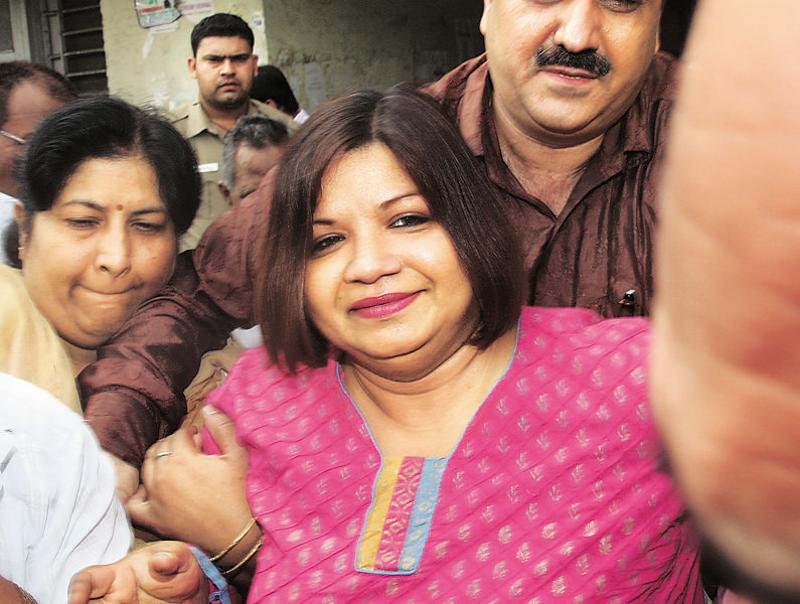
April 2010: Delhi police’s Special Cell arrested Madhuri Gupta on 22 April 2010. She was posted as second secretary (press and information) in the Indian high commission in Islamabad. According to the chargesheet filed by the police in 2010, she was involved in a relationship with Jamshed, an ISI official, whom she planned to marry. She was accused of passing on sensitive information to the ISI agent.