E-Paper



CJP leaders Saurav Das, Ashutosh Ranka’s judicial custody extended by two days; Delhi Police cite ‘peace, tranquillity’ concerns
Delhi Police had sought further custody of the duo, claiming their release could disrupt “peace and tranquility.”

 Prefer HTon Google


A Special Executive Magistrate (SEM) on Monday extended the judicial custody of Cockroach Janata Party (CJP) leaders Saurav Das and Ashutosh Ranka by two days over allegations that they breached security and entered Jantar Mantar during protests against the Special Intensive Revision (SIR) of electoral rolls.
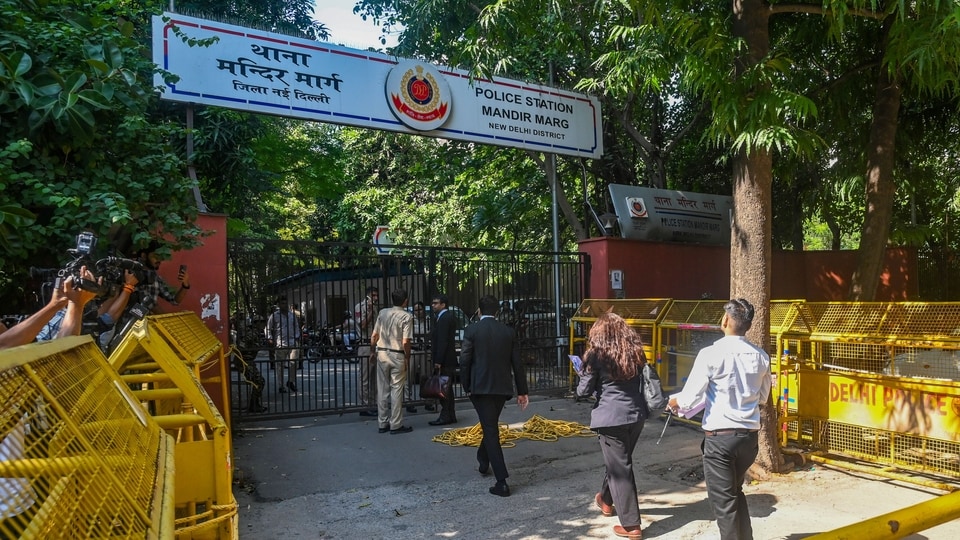
Delhi Police had sought further custody of the duo, claiming their release could disrupt “peace and tranquility.” Follow LIVE updates here.
However, CJP’s legal team countered the apprehension, arguing that there was not an iota of evidence to suggest that the duo posed any threat or that their release would disturb public order.
Deep Dive

CJP chief spokesperson Saurav Das and national spokesperson Ashutosh Ranka were detained by the Delhi Police on October 13 after entering Jantar Mantar by jumping over its locked gates, a day after the site was de-notified as a protest site.
Shortly after the detention, Ranka shared a video on his X handle showing himself, Das and the outfit's national organisation in-charge, Ajinkya Shinde, climbing the locked gates and entering the venue. Police personnel present at the site then intervened and took hold of them.
Last week, SEM sent the duo to five days of judicial custody after the Delhi Police argued that “there was a presumption that the accused might carry out a crime” if released.