
 E-Paper



Delhi High Court to appoint amicus curiae for Kejriwal, Sisodia after they refuse to appear in excise case
Delhi High Court plans to appoint amicus curiae for Kejriwal, Sisodia, and Pathak in the CBI appeal following their decision to boycott court proceedings.

 Prefer HTon Google


Delhi High Court judge Swarana Kanta Sharma on Tuesday said she would appoint three senior advocates as amicus curiae on Friday to represent former CM Arvind Kejriwal, former deputy CM Manish Sisodia and AAP leader Durgesh Pathak in the Central Bureau of Investigation (CBI’s) appeal against their discharge in the excise policy case, following the trio’s decision to boycott proceedings.
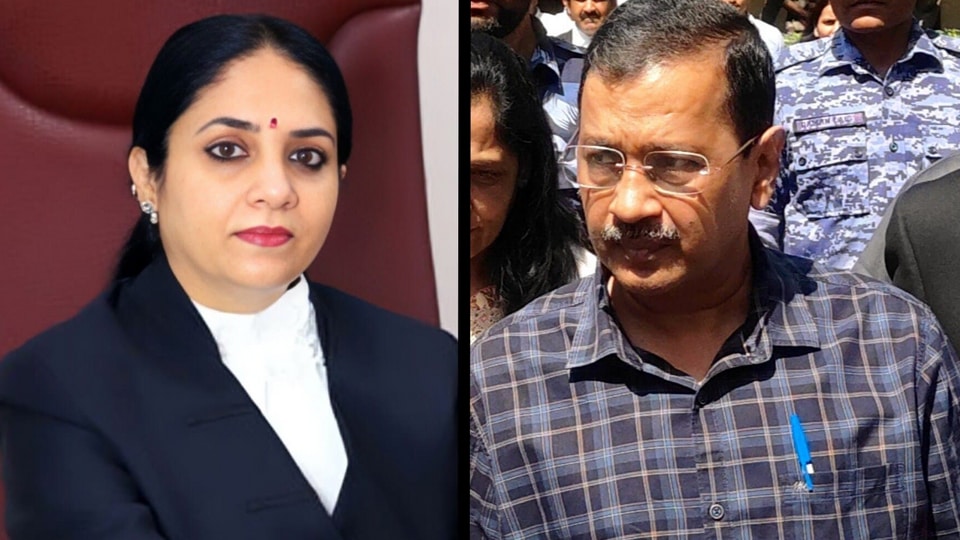
An amicus curiae is a lawyer or expert appointed by a court to assist it in a case.
This was after the court noted that Kejriwal , Sisodia, and Pathak chose not appear.
“Three (Kejriwal, Sisodia and Pathak) are not appearing? I will appoint a senior in this case as amicus for 8 (Sisodia), 18 (Kejriwal) and 19 (Pathak) and thus I think it will be appropriate that I hear the argument of CBI once I appoint an amicus...,” the judge said.
On February 27, a trial court discharged Kejriwal, Sisodia and 21 others in the case, holding that CBI’s material did not even disclose a prima facie case, prompting the agency to challenge the order before the high court.
On March 9, Justice Sharma stayed the trial court’s direction for departmental action against a CBI officer, calling the remarks prima facie misconceived, and deferred ED proceedings.
On March 11, Kejriwal sought transfer of the case to another judge, which was rejected on March 13. He, along with Sisodia and four others, then moved an application before the judge seeking her recusal. On April 20, the judge dismissed the applications, holding there was no “demonstrable cause” for recusal and warning that stepping aside on perceived bias would set a disturbing precedent.
However, a week after the April 20 verdict, when the court was to commence hearing CBI’s arguments on merits, Kejriwal wrote a letter to Justice Sharma saying that neither he nor his counsel would appear in the matter.
Also Read: Arvind Kejriwal refuses to appear before Delhi HC judge Swarana Kanta Sharma
In his letter, the AAP chief said that after dismissal of his recusal application, he had carefully reflected on the options available to him. Stating that his “well-grounded apprehensions” remained unresolved, he said the judgment left him with the impression that his legitimate concerns had been perceived as a personal attack on the judge and an “assault” on the institution itself.
Following this, Manish Sisodia and subsequently Durgesh Pathak also wrote similar letters to the judge.
Despite the letters, the judge granted Kejriwal, Sisodia, Durgesh and four others the last chance to file their replies.
The matter will now be heard on Friday.
HT had previously reported the possibility that the court could appoint an amicus, based on conversations with legal experts. To be sure, an amicus does not represent the accused, but assists the court on issues of law as well as facts of the case.


