
 E-Paper



In rebuttal to China claim over Ladakh, Arunachal, India drops a clear warning
India-China border: New Delhi’s sharp rebuttal comes amid efforts by the United States to pinprick Beijing over its ‘One China’ policy

 Prefer HTon Google


India on Thursday told off Beijing for its repeated complaints about infrastructure projects on the Indian side of the border with a clear warning, asserting that China should not comment on India’s internal matters just as it expects other countries to steer clear of its internal affairs.
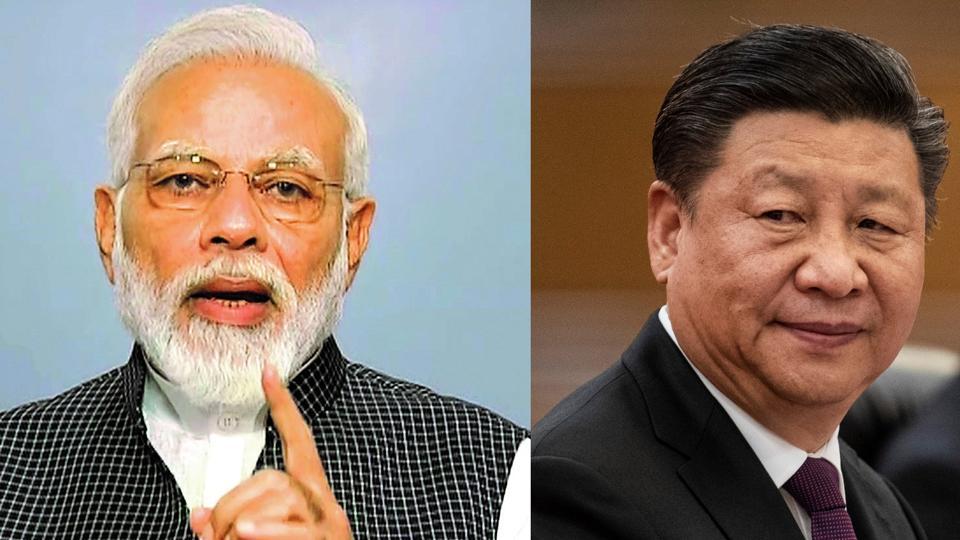
New Delhi’s harsher-than-usual message comes days after the Chinese foreign ministry linked infrastructure development on the Indian side to the five-month long stand-off in East Ladakh. China’s foreign ministry spokesperson Zhao Lijian had pointed to the infrastructure development along the border this week and gone ahead to describe the infra push along with military deployment as “the root cause for the tensions between the two sides”.
“The union territories of Jammu and Kashmir and Ladakh have been, are, and would remain an integral part of India,,” external affairs ministry spokesperson Anurag Srivastava told reporters on Thursday.
Also Watch | Amid tension, India responds to China’s ‘Ladakh infra development’ comment
“Our position on Arunachal Pradesh has also been made clear several times. Arunachal Pradesh is an integral and inalienable part of India. This fact has also been clearly conveyed to the Chinese side on several occasions, including at the highest level,” the spokesperson said.
India reminded China that it had “no locus standi to comment on India’s internal matters” and sent a clear message that New Delhi may not always act with restraint on speaking about China’s internal affairs.
Also Read: Pushback to Xi Jinping to reflect in US approach to ‘One China’ policy | Analysis
“We hope that countries will not comment on India’s internal matters, as much as they expect the same of others,” Srivastava said.
India’s sharp retort came hours after the Donald Trump administration appointed a senior official to oversee Tibetan issues, a move that is seen in line with the United States’ new approach to expand the scope of its running feud with China to call into question the ‘One China’ policy that President Xi Jinping holds dear.
The US administration’s decision to appoint Robert Destro as the new Special Coordinator for Tibetan Issues is significant because the post had been left vacant for the last four years.
Also Read: India demolishes China’s new excuse for Ladakh stand-off in 3 points
According to the state department, Destro will primarily be responsible for advancing dialogue between Beijing and the Dalai Lama and protecting the identity of Tibetans. China’s authority over Tibet has been an irritant in US-China relations. In July, the Trump administration had imposed travel restrictions on Chinese officials “substantially involved” in restricting access to Tibet.
In discussions with other India, Japan and Australia as part of the four-nation Quadrilateral security dialogue, US secretary of state Mike Pompeo had signalled that the US could harden its stance on China and even call into question Beijing’s ‘One China’ mantra..


