E-Paper



India vulnerable to Zika, Ebola; level of preparedness inadequate: Experts
An analysis on health in South Asia found India among other nations are vulnerable to emerging infectious diseases such as Zika and Ebola and the level of preparedness is inadequate to protect public health against the diseases.

 Prefer HTon Google


South Asian nations, including India, are vulnerable to emerging infectious diseases such as Zika and Ebola, and their level of preparedness is inadequate to protect public health, a new health analysis has revealed.
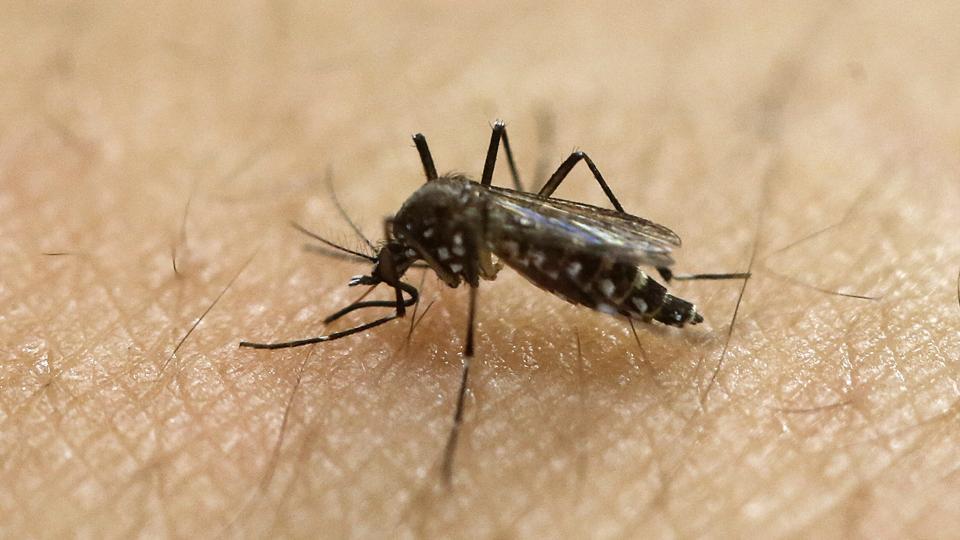
An analysis as part of a collection of 12 analyses on health in South Asia published in British Medical Journal (BMJ) found that inadequate surveillance and uneven health system capacity may accelerate the spread of the emerging infectious diseases in the region. The region is already burdened by diseases like tuberculosis, HIV and malaria.
“Examining the vulnerability to emerging and growing infectious disease threats and the capacity to respond to outbreaks, the analysis finds the level of preparedness is inadequate to protect public health,” it said.
The analysis also pointed out that although sporadic cases of dengue infection were seen in many South Asian countries in the 1960s, regular epidemics only occurred in the early 1990s in India and Sri Lanka.
“In India and Sri Lanka, by around 40 years of age 90-95% of adults have been infected with the dengue virus, while 41% have been infected with chikungunya,” the analysis found.
It said while noting that anthrax is endemic in large parts of South Asia, that in the border areas of India, Bangladesh, and Myanmar, poor vaccination and surveillance have been accompanied by increasing anthrax cases, which prompted Bangladesh to announce a red alert in 2010.
Noting that rabies remains endemic in eight countries in South East Asia, with 1.4 billion people at risk, the authors in the analysis said that the region contributes about 45% of global rabies deaths, while the rhetoric on elimination continues to grow.
“Brucellosis, bovine tuberculosis, and a range of food-borne diseases contribute to the morbidity and mortality attributable to zoonotic infections but are struggling to gain the attention of policymakers in the subcontinent, despite it resulting in 150 million illnesses, 175,000 deaths, and 12 million disability-adjusted life years,” the analysis said.
The analysis found that the highly pathogenic avian influenza (HPAI) virus A/H5N1, which was introduced to the subcontinent in 2005 through wild birds, has since become endemic across large parts of northeast India and Bangladesh, across porous international borders.
South Asia is defined by the World Bank as Afghanistan, Bangladesh, Bhutan, India, Maldives, Nepal, Pakistan and Sri Lanka and is home to a quarter of the world’s population.