E-Paper



Never recognised UT of Ladakh, says China on India’s tit-for-tat naming drive
On October 2, MHA said that the government identified 28 places and features “by standard place and feature names on the official map of Survey of India”.

 Prefer HTon Google


China on Tuesday responded to India’s recent move to unveil standard names for 28 locations in Ladakh, calling the action “illegal and invalid” and saying it has “never recognised” the Union Territory of Ladakh.
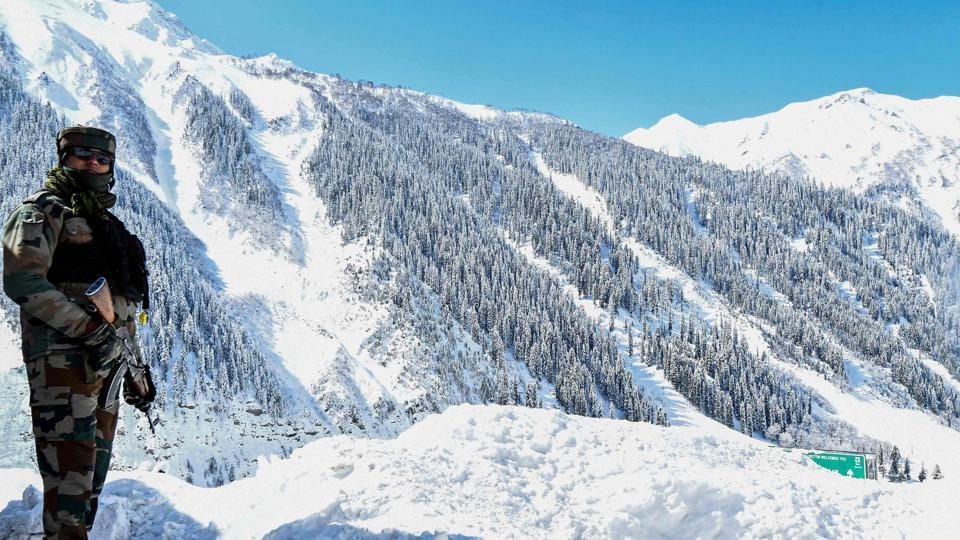
On October 2, India’s home ministry announced names for 28 features and places in Ladakh as part of a new policy to respond to similar moves by China over the past few years to assert its claim on territories along the Line of Control (LAC) held by India. In August, the first such list of standard names for 27 locations in Arunachal Pradesh was issued.
“China has never recognised the so-called ‘Union Territory of Ladakh’ unilaterally and illegally established by India, and firmly opposes India’s publication of so-called ‘standard place names’,” Chinese foreign ministry spokesperson Mao Ning told a regular media briefing in Beijing.
“India’s move is illegal and invalid, and cannot change the objective fact that the western section of the China-India border has always belonged to China,” she said in response to a question about the list of 28 standard names announced by the Indian side.
Indian officials did not immediately respond to Mao’s remarks. The Indian government scrapped the special status of Jammu and Kashmir in August 2019 and split the state into the Union Territories of Jammu and Kashmir, and Ladakh.
The Union home ministry, while announcing the list of standard names for locations in Ladakh, said the government, in consultation with the Union Territory of Ladakh, had identified 28 places and features “by standard place and feature names on the official map of Survey of India”.
“Identifying them formally on the Survey of India map of UT of Ladakh is aimed at facilitating their accurate recognition and better awareness among the public at large,” the ministry said in a statement.
The 28 places and features included 10 peaks, two passes, three mountains, seven “land areas”, two glaciers, two water bodies, a valley and a river.
In recent years, China has repeatedly announced “standardised names” for dozens of places in Arunachal Pradesh as part of its claims on Indian territory. China refers to Arunachal Pradesh as “south Tibet” and there have been instances of Chinese authorities issuing stapled visas to residents of Arunachal Pradesh.
China has sought to rename dozens of locations in Arunachal Pradesh, including towns, rivers and geographic features, but India has argued that such actions will not change the reality. China resorted to such renaming exercises in 2017, 2021, 2023 and 2024, usually during periods of strained bilateral relations.
India and China are currently normalising their ties, which fell to an all-time low after a military standoff on the LAC began in 2020 and lasted more than four years. As part of this process of normalisation, the two countries have held talks to resolve their long-standing border dispute.