
 E-Paper



Are Mumbai locals responsible for Covid-19 spike? Here's what BMC data reveals
On February 1, Mumbai locals were open to the general public with specific time restrictions. On February 10, the first spike was reported when the city witnessed 558 cases.


The sudden spike in the number of daily infections in Mumbai has been partially attributed to the resumption of suburban train services for the general public. Though no direct link between the two has been scientifically proven, data from Brihanmumbai Municipal Corporation shows the sudden spike in daily cases started from February 10 with ups and downs in between. From February 17, the cases are on a steady rise. The number of Covid-19 cases in Panvel, Navi Mumbai, Thane — areas which are covered by Mumbai locals — has increased as well.
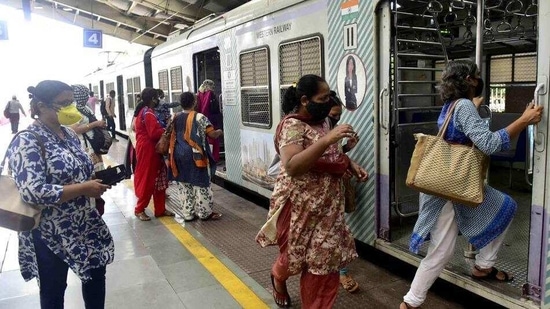
According to BMC data, the number of single-day cases remained around 400 in the first week of February, with one exception on February 3, when the number of cases rose to 503.
Maharashtra govt may restrict train travel for general public again in Mumbai
Here is how the Covid-19 numbers were in the first week of February in Mumbai
February 1: 328
February 2: 334
February 3: 503
February 4: 463
February 5: 415
February 6: 414
February 7: 448
In the second week, a spike was reported on February 10, when the city reported 558 cases, the highest so far in February. On February 14, a spike of 645 cases was reported.
February 8: 399
February 9: 375
February 10: 558
February 11: 510
February 12: 599
February 13: 529
February 14: 645
In the third week, the number was stable initially, but from February 17, a steep rise has been noticed.
February 15: 493
February 16: 461
February 17: 721
February 18: 736
February 19: 823
February 20: 897
February 21: 921
After reporting 760 and 643 cases on February 22 and 23, respectively, cases saw a huge jump and crossed the 1,000-mark. On February 24, 25, and 26, cases remained at 1,167, 1,145, and 1,034, respectively.
The state government allowed the general public to travel in suburban trains in non-peak hours excluding 9am to 12 pm and 4pm to 9pm from February 1. This resulted in around 3.3 million passengers travelling every day on three lines in local train services.
In January, Mumbai locals were restricted to essential and emergency staff, teachers, lawyers and women travellers.
However, the resumption of Mumbai locals is not the only reason behind the spike as the spike is noticeable across the state, not only to where suburban rails ply. Relief and rehabilitation minister Vijay Wadettiwar that the state government was thinking of rescheduling the train timing in the wake of the rising cases. “We will not completely restrict the general public from commuting on the train, but will reschedule the timings,” he said.


