
 E-Paper



No govt, NTA official named as CBI files supplementary chargesheet over NEET paper leak
HT had reported first that CBI has not found any evidence against any government official in the NEET-UG 2026 paper leak.

 Prefer HTon Google


The Central Bureau of Investigation (CBI) on Wednesday filed a supplementary chargesheet in the National Eligibility cum Entrance Test-Undergraduate (NEET-UG) 2026 paper leak case, people familiar with the development said, adding that “this concludes the probe in the leak”.
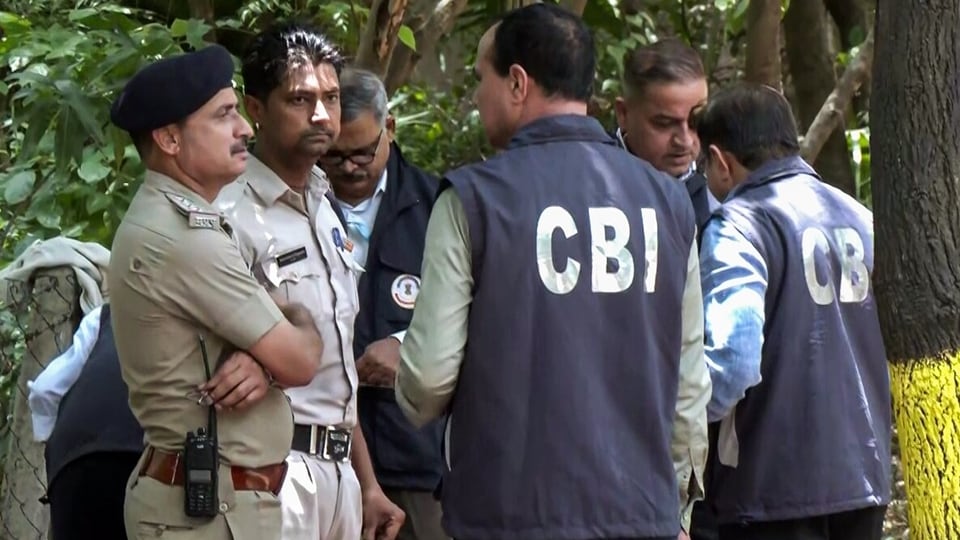
An additional private individual has been named in the latest report submitted before a Delhi court. Earlier, 13 people, including three subject experts hired by the National Testing Agency (NTA), middlemen and coaching centre representatives, were named in the first chargesheet on July 28.
“No government official has been named,” said an officer.
HT had reported first that CBI has not found any evidence against any government official in the NEET-UG 2026 paper leak.
What has happened so far
On May 12, NTA announced the cancellation of the 2026 NEET test after at least 120 questions in a guess paper – a compilation made by subject experts and teachers of suggested questions, based on previous trends and patterns – were found to be common with the NEET exam paper on May 3.
The leak was only detected a week after the exam was conducted, triggering massive protests in Parliament and eventually leading to the resignation of then Union education minister Dharmendra Pradhan after millions of young people -- under the Cockroach Janta Party (CJP) banner -- hit the streets.
The first charge sheet in the paper leak was filed on July 28, naming 13 accused, including three NTA-appointed subject experts - Manisha Gurunath Mandhare for Botany and Zoology, Prahlad Vithalrao Kulkarni for Chemistry, and Manisha Sanjay Havaldar for Physics - among others.
CBI said then that it kept the probe into the role of “other conspirators” open to submit the experts’ opinion reports from the Central Forensic Science Laboratory (CFSL), the Government Examiner of Questioned Documents (GEQD), and Delhi University experts.
An officer said the latest charge sheet also includes the forensic experts' findings.
“A thorough investigation was conducted to ascertain whether any NTA official or other government official was involved in the leak, but no such involvement was found,” said a second officer.
According to CBI’s first charge sheet, NTA reused the same three subject experts across multiple stages of preparing NEET-UG 2026’s question paper - one of them across all four stages, from item-writing to back-translation - and allowed them to see all four of the exam’s master question sets during the final stage.
This essentially meant that the experts were given access to all four final master question sets, providing prolonged, continuous exposure to highly sensitive material.
CBI invoked provisions relating to criminal conspiracy, cheating, criminal breach of trust, and destruction of evidence, as well as provisions of the Prevention of Corruption Act and the Public Examinations (Prevention of Unfair Means) Act, 2024. The agency relied on 360 witnesses, 422 documents and 43 material objects to support its case.
In recent months, the government announced massive changes in NTA. The Union education ministry removed 50 NTA staff members on August 17. NTA subsequently said its examination team was revamped, with 600 subject experts removed and new experts brought in, and it introduced a four-tier question-paper scrutiny system.


