
 E-Paper



Pakistanis fume over India's ‘better’ trade deal with US and lower tariffs: ‘Photo ops are useless’
Pakistan, which has been lobbying Trump for months for a better trade deal, does not appear to have succeeded in securing a better deal with lower tariffs.

 Prefer HTon Google


India’s recently concluded trade deal with the United States seems to have drawn backlash in Pakistan over its own negotiations with Washington on a trade deal against tariffs. India walked away after tariffs cut down to 18 per cent on its shipments, while Pakistan continues to face tariffs of 19 per cent despite showing warmer ties with Washington in recent months, including White House dinners with Islamabad’s army chief Asim Munir and the nomination of US President Donald Trump for the Nobel Peace Prize.
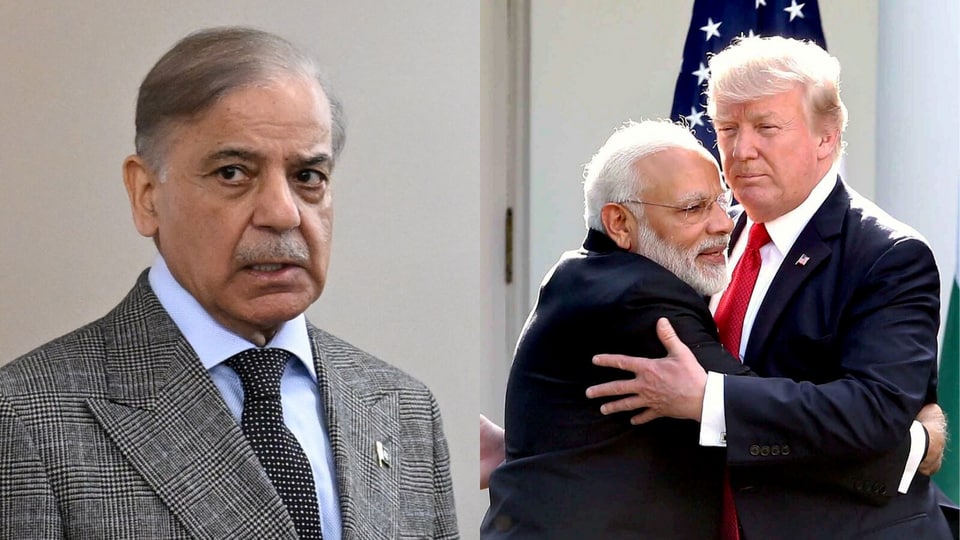
Pakistan, which has been lobbying Trump for months for a better trade deal, came under pressure and nominated him for the Nobel Peace Prize and backed his inclusion on the Board of Peace. However, it does not appear to have succeeded in securing a better deal with lower tariffs.
ALSO READ | India-US trade deal: Which Indian sectors are likely to feel relief?
Meanwhile, India secured lower tariffs and a deal that “fully” protects core sensitivities in the Indian agriculture and dairy sectors, Union commerce minister Piyush Goyal told Parliament on Wednesday.
Many in Pakistan were left surprised that India was able to clinch a more favourable agreement without what they described as excessive appeasement to Trump, according to several social media posts.
Pakistanis on India-US trade deal
Former Pakistan Tehreek-e-Insaf (PTI) minister Hammad Azhar described the outcome as a failure of approach. "Foreign policy in the 21st century isn't about optics or personal relationships. It's about leveraging economic strength, tariffs, and market access. India's recent trade deals with the EU and the US prove the point. Sycophancy & photo ops are useless," he wrote on X.
Pakistani economist Javed Hassan said that India was able to secure better terms without nominating Trump for the Nobel Peace Prize. He wrote on X: "India did not nominate Trump for a Nobel prize, yet still gets better tariff deal than Pakistan. Other than the opportunity to apply extra layers of cherry blossom what has Trump actually given to Pakistan?"
The trade pact, announced on February 2, limits US tariffs on Indian exports at 18 per cent. Pakistan remains subject to a 19 per cent rate, despite what critics say was prolonged lobbying in Washington by Prime Minister Shehbaz Sharif and Army Chief Field Marshal Asim Munir.
Opposition leaders from the Pakistan Tehreek-e-Insaf (PTI) claim India negotiated the lower tariff by maintaining its “strategic autonomy”. They argue Pakistan ended up with a higher rate only after what they describe as personal outreach by the army chief.
Zubair Ahmed Khan, a popular X user from Karachi who is ACCA (Association of Chartered Certified Accountants)-qualified, said that even after huge efforts, Pakistan failed to match India’s outcome.
He posted on X: “So after all the Appeasement of epic proportions by this Imposed Regime to Trump even accepting forces for Israel peace board, Pak ended up with 19% US tarriffs while India have now 18% tarriffs imposed by US. Great Foreign Policy achivements!”
ALSO READ | India, Gulf nations bloc including UAE, Saudi Arabia agree on trade deal terms
India-US trade deal
The new agreement between India and the United States is expected to benefit several export-driven and labour-intensive industries. Notably, Washington agreed to cut tariffs on Indian goods from 50 per cent to 18 per cent and grant zero-duty access to a wide range of products, as mentioned in an earlier HT report.
Earlier, Trump said on Truth Social that it was “an honour” to speak with Modi, describing him as one of his “greatest friends”. He added that both leaders “are two people that get things done” and said India had agreed to stop buying Russian oil and to purchase $500 billion worth of US energy and technology.
Other competing exporters continue to face higher tariffs in the US market. Vietnam is subject to 20 per cent duties, Malaysia 19 per cent, Bangladesh 20 per cent, Cambodia 19 per cent and Thailand 19 per cent.


