E-Paper



Process to form political party to intensify after February: AASU chief
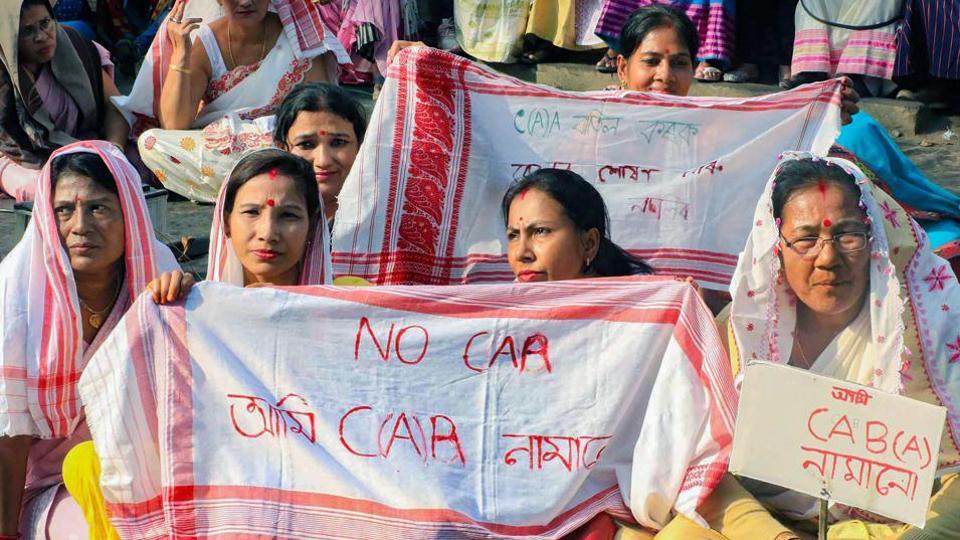
The AASU is leading the anti-CAA protests in Assam and has accused the ruling Bharatiya Janata Party (BJP), which is in power both at the Centre and the state, of failing to protect rights of indigenous Assamese.


An influential students’ body in Assam has called for the need to form a new party in the state amid protests against the controversial Citizenship (Amendment) Act (CAA), which has triggered fears of a fresh influx of immigrants into the Northeastern region.
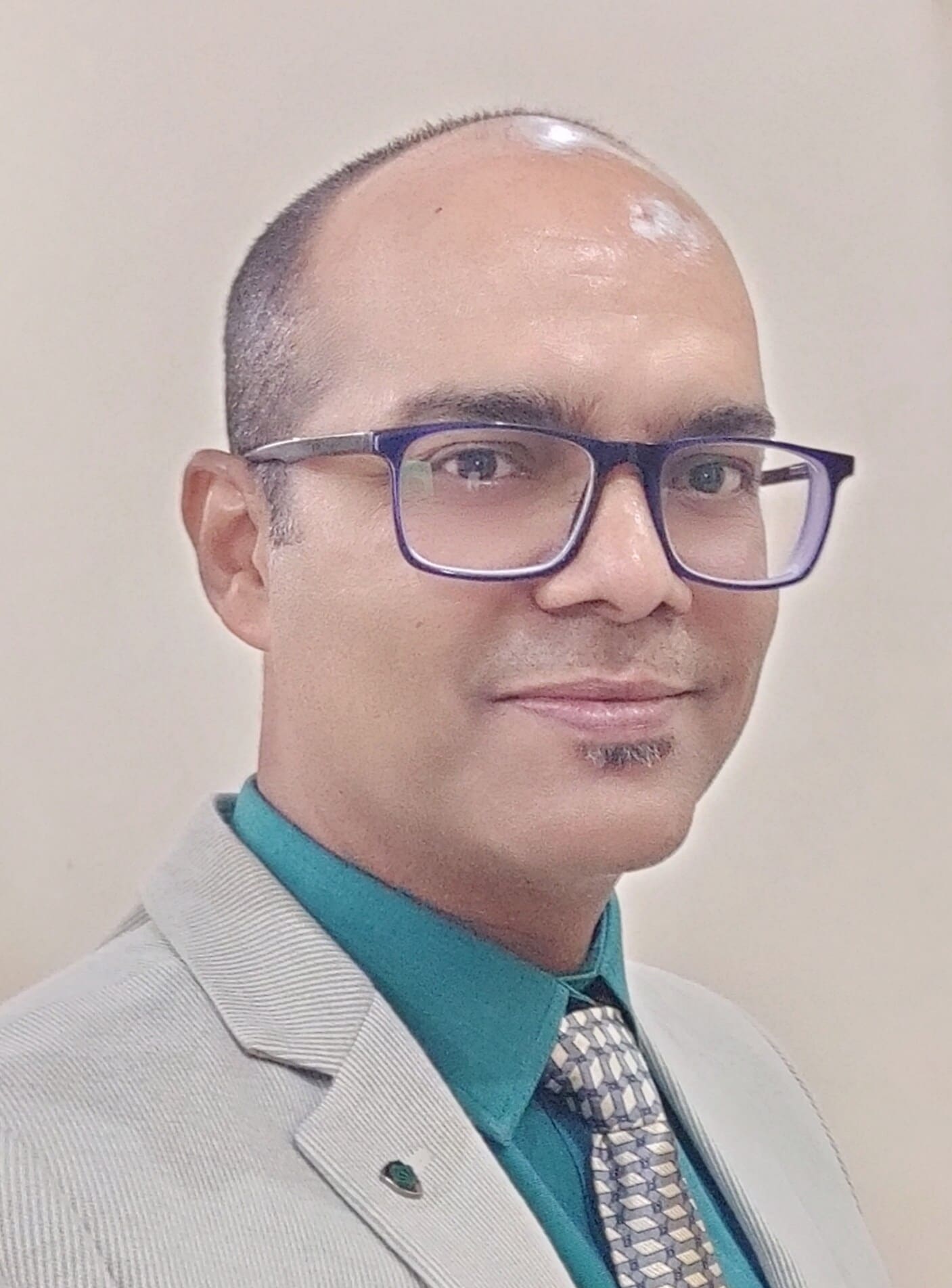
“After February, this issue [formation of a new party] will be taken forward in a forceful manner,” said All Assam Students Union (AASU) chief Dipanka Kumar Nath on Wednesday.
He indicated the AASU would play a role in forming the party. “The people of Assam have felt the need for it [the new party] to protect themselves and artists, intellectuals and others have appealed to us about it. We feel the time has come for an alternate force to challenge the Centre and take this agitation forward.”
The new party is likely to be formed by March, AASU leaders said.
The AASU is leading the anti-CAA protests in Assam and has accused the ruling Bharatiya Janata Party (BJP), which is in power both at the Centre and the state, of failing to protect rights of indigenous Assamese. Since the latest round of protests began last month, there has been speculation that the new party would be formed ahead of the 2021 assembly polls.
The countrywide protests against the CAA first erupted in the Northeast, especially Assam, where its opponents say it violates the 1985 Assam Accord, which was signed following an agitation for the detection and deportation of undocumented immigrants irrespective of their faith. The accord set March 24, 1971, as the cut-off date for the detection. A process in line with the accord was carried out in Assam and led to the exclusion of around 2 million people from the National Register of Citizens (NRC) last year.
The CAA was passed last month to fast-track the citizenship process for non-Muslims, who have entered India from Afghanistan, Pakistan and Bangladesh before 2015. Opponents of the law insist it is discriminatory and unconstitutional as it leaves out the Muslims and links faith to citizenship in a secular country.
The AASU spearheaded the 1979-1985 agitation against undocumented immigrants from Bangladesh, which ended following the signing of the accord. The AASU is a signatory to the accord.
The agitation led to the formation of Asom Gana Parishad (AGP) in 1985 and the AASU played a crucial part in its formation.
Then AASU chief Prafulla Kumar Mahanta became the AGP’s founding president. The AGP has been in power twice. It has lost its significance since the BJP’s rise and is a partner in the state’s ruling coalition and supports the CAA. Chief minister Sarbananda Sonowal joined the AGP after leaving the AASU and later defected to the BJP.
Congress leader and former chief minister Tarun Gogoi has also advocated the “necessity” of a new party. He admitted the new party might hurt the Congress, but said it is needed to protect interests of the indigenous people.
“We offered to talk to them when they were agitating, but now there is talk of a new political party. The protests on repealing the CAA have become political now,” said BJP leader and minister Himanta Biswa Sarma last week.
INDEPENDENT COMMENT