E-Paper



Relocating stray dogs may cost Delhi's civic bodies ₹11 crore every day, ₹110 daily on each animal
Officials said the cost per dog would be at least ₹110 per day — covering food, transport, cleaning, medical care, staff, and utilities.

 Prefer HTon Google


Moving Delhi’s estimated one million stray dogs into permanent shelters could cost the cash-strapped Municipal Corporation of Delhi (MCD) around ₹11 crore a day, according to the civic body’s preliminary assessment.
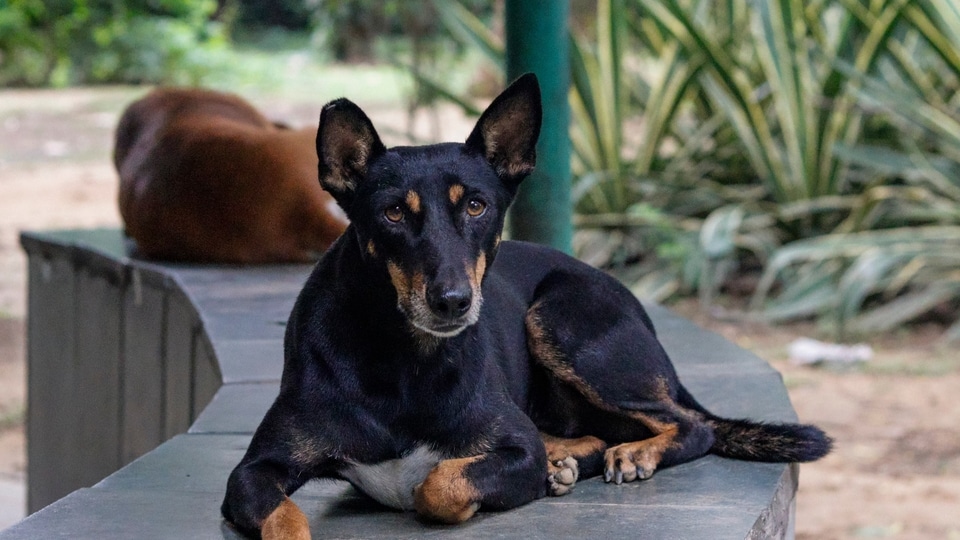
Officials said the cost per dog would be at least ₹110 per day — covering food, transport, cleaning, medical care, staff, and utilities — a figure that underscores the massive financial implications of the Supreme Court’s recent order on stray dog relocation.
Senior civic officials said on Wednesday that while they were still awaiting a formal Supreme Court order to chart the future course of action, initial meetings had been held to assess expenses and potential shelter sites. Based on inputs from shelter operators and officials, the estimated daily cost of keeping one dog includes feeding, transportation, cleaning, medical care, staff, and running expenses such as water and electricity.
“If all one million estimated stray dogs in Delhi were to be shifted to shelters, the daily cost would be around ₹11 crore,” said a senior civic official, adding that the initial plan focuses only on “a few thousand” dogs, mainly those involved in repeated biting incidents or suffering from diseases.

Currently, MCD captures and sterilises more than 350 dogs daily, releasing them after a 10-day observation period. The sterilisation process costs about ₹1,000 per dog.
The SC’s full order states Delhi, Noida, Ghaziabad, Gurugram, and now Faridabad to build shelters for at least 5,000 dogs in 6–8 weeks, and start immediate capture drives.
Microchipping proposal
To improve tracking and avoid the need for a fresh census — which has not been conducted in the city for 16 years — the corporation plans to microchip dogs brought to shelters and sterilised.
The chips, costing ₹150– ₹200 each, would store up to five data points, including the dog’s history, vaccination, and sterilisation details. Handheld scanners required for the process are estimated at ₹4,000 apiece.
MCD currently provides ₹40 per day per cow to gaushalas for sheltering stray cattle. In contrast, the per-dog sheltering cost is almost three times higher, underscoring the potential financial strain.
Joint panel with activists
On Tuesday, MCD mayor Raja Iqbal Singh held a meeting with animal rights groups at the Civic Centre, after which he announced the formation of a joint panel comprising animal rights activists, councillors, and officials to ensure humane treatment of dogs captured and sent to shelters.
“They [the activists] expressed concerns about the relocation drive and demanded that only aggressive dogs should be captured first, which we have accepted,” Singh said. “They also raised concerns about shelter facilities. Our shelters will be open to activists and people so they can help feed the dogs, provide medical care, and support us in this joint effort.”
The mayor said 150 aggressive dogs with biting complaints had been captured since Tuesday. Residents facing such issues can lodge complaints via the MCD 311 mobile application or zonal helplines. However, he did not specify the localities where the ongoing drives are being conducted.
Shelter space under consideration
Officials said an 80-acre plot at Ghogha Dairy is being considered for a large shelter, along with other locations such as Dwarka Sector 29. However, the scale of relocation will depend on the final court order. “If all dogs have to be relocated, resources can never be practically sufficient,” said another civic official.
Before Independence Day every year, the MCD increases its dog-catching activities in areas around the Red Fort, Raj Ghat, and other VIP zones.
In its annual budget, MCD described its financial situation as “serious”, with liabilities including pending contractor payments, salaries, retirement benefits, and loan repayments. Officials have stressed that the high cost of dog sheltering — even for a limited number of animals — will add to this burden.