
 E-Paper



South Korea church was first religious hot spot
South Korea launched a widespread testing programme in the city and the mayor and the head of the disease outbreak response steered a programme to identify what would later turn out to be 10,000 members of the group.


On February 18, a 61-year-old South Korean woman associated with a religious group in the city of Daegu tested positive for the coronavirus disease Covid-19 – becoming the country’s 31st patient. Before she was isolated, she was part of a congregation with an estimated 1,000 group members at the Shincheonji church.
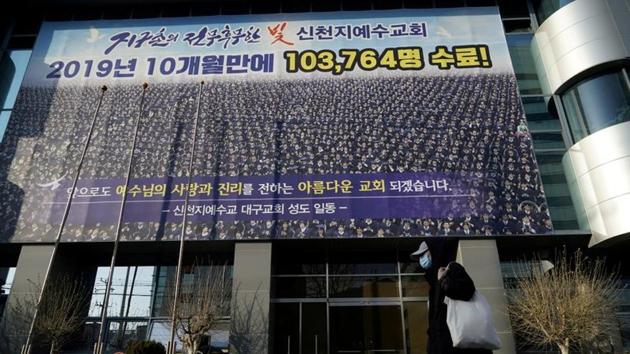
In less than a month, as South Korea’s cases rose from 50 to close to 8,000, officials estimated at least 60% of these – around 4,300 -- were linked to the group.
Also Read: Covid-19 update: Markaz trail widens; cases hit 2,000
India’s biggest source of Covid-19 infections – the Tablighi Jamaat headquarters in Delhi’s Nizamuddin area – now bears a striking resemblance to what happened in South Korea, and if social contact patterns of the preachers and the members pan out in a similar manner, the number of people infected in the vicinity could balloon to thousands.
But the Shincheonji cluster and the city of Daegu now also offer the biggest lesson for India. South Korea launched a widespread testing programme in the city and the mayor and the head of the disease outbreak response steered a programme to identify what would later turn out to be 10,000 members of the group.
“We used dorms and similar facilities to set up 5,500 hospital beds,” Min Pok-kee, who heads the response in Daegu, told Wired in an interview on March 26.
Click here for the complete coverage of the Covid-19 pandemic
The mass mobilisation to round up and isolate the group members helped Daegu reduce transmission, going from the province with the highest share of cluster infections to the third-highest by April 1.
“In Daegu, we had more than 10,000 members of Shincheonji. When we tested those who were symptomatic, 87.5 percent turned out to be positive. When we tested a sample of people who weren’t symptomatic, it was 74.4 per cent,” Pok-kee said in the interview, adding: “If we hadn’t done it from the very beginning, we’d be where the US is now, where Italy is now.”
The Shincheonji group and the Tablighi Jamaat are not the only instances where religious gatherings have acted as super-spreaders of the disease.
In Singapore, the health ministry linked three churches to 38 of the country’s confirmed cases when total infections were at a mere 313 around March 14. On April 1, the country had over 900 cases.
In India itself, a 70-year-old Sikh religious leader in Punjab returned from Italy and went preaching in several villages, leading to at least 28 more infections.
(With agency inputs)


