
 E-Paper



SC settles 1996 cricket World Cup tax dispute
A show cause notice was served to PILCOM for non-deposit of tax liable on these payments as these were considered income accrued in India under Sections 201(1) and 194E of the Income Tax Act.


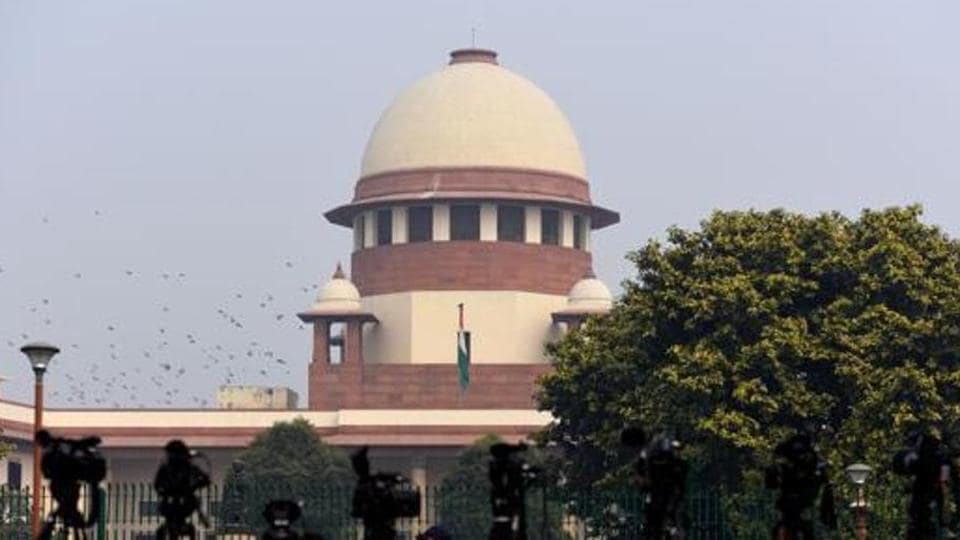
A full 24 years after the conclusion of the 1996 Cricket World Cup jointly hosted by India, Pakistan and Sri Lanka, India’s top court has ruled that payments made to cricket associations for matches conducted in India will be liable to tax. The Income Tax authorities had raised a demand of Rs 38.88 lakh payable by a joint consortium formed by the host nations based out of India.
After conclusion of the World Cup, Indian tax officials discovered that a consortium by the name PILCOM (Pak-Indo-Lanka Joint Management Committee), transferred payments out of India to the cricket boards of member countries of the London-based International Cricket Council (ICC). ICC has nine full members and 20 associate members. PILCOM opened two bank accounts in London into which money was transferred.
A show cause notice was served to PILCOM for non-deposit of tax liable on these payments as these were considered income accrued in India under Sections 201(1) and 194E of the Income Tax Act. On initial calculations, the amount liable to be deposited came to Rs 2.18 crore. But PILCOM challenged this assessment before the Income Tax Appellate Tribunal, which ordered a re-assessment in the year 1997.
A second assessment order was passed on December 28, 1998. PILCOM filed an appeal before the Tribunal but lost. The matter went to Calcutta High Court which partly upheld the tax demand on November 11, 2010. It was an appeal against this order that finally came to be settled by the apex court on Thursday.
PILCOM argued that the payment made to cricket associations was towards “grant of privilege” and had nothing to do with matches played in India. The amount was called “guarantee money”. The tax department maintained that the income in question arose from a source of income in India, i.e. playing of cricket matches, fully satisfying the mandate required under law.
On Thursday, a bench of Justices UU Lalit and Vineet Saran said, “The payments made to the Non-Resident Sports Associations in the present case represented their income which accrued or arose or was deemed to have accrued or arisen in India……Though the payments were described as Guarantee Money, they were intricately connected with the event where various cricket teams were scheduled to play and did participate in the event. The source of income, as rightly contended by the Revenue, was in the playing of the matches in India.”
The court noted the provision of Section 115 BBA (1)(b) of Income Tax Act which talks about income generated by non-resident sports association in India and held this income to include guarantee money as well. PILCOM had further sought tax exemption under the Double Taxation Avoidance Agreement (DTAA) signed with Australia, England, New Zealand, Sri Lanka, Kenya and Holland. The judges held, “The obligation to deduct tax at source under Section 194E of the IT Act is not affected by the DTAA…”


