
 E-Paper



CJI forms panel to prepare roadmap for judicial infrastructure
The committee has been entrusted with a wide-ranging mandate extending beyond physical infrastructure.

 Prefer HTon Google


Chief Justice of India (CJI) Surya Kant has constituted a “Judicial Infrastructure Advisory Committee” to prepare a comprehensive roadmap for strengthening judicial infrastructure and evolving what the Supreme Court described as a “unified infrastructural ecosystem” for courts across India.
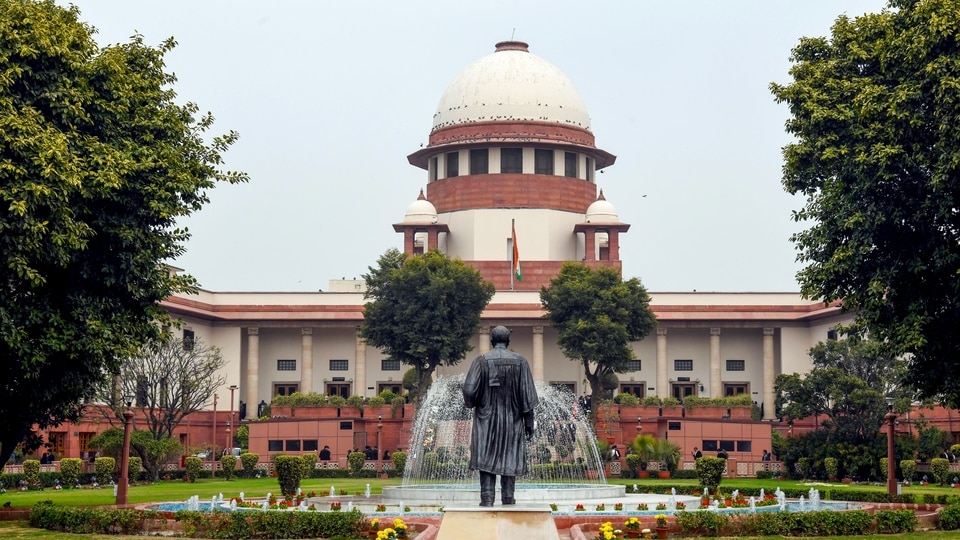
The move assumes significance at a time when concerns over mounting pendency, shortage of courtrooms, inadequate staffing, lack of basic facilities and uneven technological integration continue to dominate discussions around judicial reforms, even as budgetary allocations for judicial infrastructure have witnessed a decline in the Union Budget for 2026-27.
According to a press statement issued by the Supreme Court, the committee has been constituted “keeping in view the varied infrastructural requirements of different High Courts and District Courts”, with the objective of ensuring “a unified infrastructural ecosystem on pan-India basis”.
Also read | State moves SC seeks extension for civic elections
The committee has been tasked with preparing a report on the infrastructural requirements of the Indian judiciary, with a particular emphasis on securing governmental support and adequate financial allocation for courts nationwide. The report will be submitted to the CJI, who will thereafter take up the matter with the Union government and state governments.
Supreme Court judge Justice Aravind Kumar will chair the committee. Its members include Justice Debangsu Basak (Calcutta HC judge), Justice Ashwani Kumar Mishra (Punjab & Haryana HC judge), Justice Somasekhar Sundaresan (Bombay HC judge0, the Director General of the Central Public Works Department (CPWD), while Supreme Court secretary general Bharat Parashar will function as member secretary.
Also read | TMC says SIR deleted more votes than BJP's win margin on 31 seats in West Bengal, Supreme Court responds
The committee has been entrusted with a wide-ranging mandate extending beyond physical infrastructure. It will identify constraints faced by stakeholders in the justice delivery system and recommend facilities for judges, lawyers, litigants, court staff and visitors. It will also examine measures relating to computerisation of courts, citizen-centric services aimed at bridging the digital divide and improvement of working conditions for judicial officers and administrative staff.
The panel has been asked to submit an interim report by August 31, 2026.
The initiative comes amid increasing concern within the judiciary over the mismatch between judicial workload and financial support available for courts.
Also read | Top court’s verdict brings ray of hope for Kashmiri prisoners: AIP
The Ministry of Law and Justice has been allocated ₹4,509.06 crore in the Union Budget for 2026-27 -- nearly ₹400 crore lower than the previous year’s allocation of ₹4,998.24 crore. The revised estimate for 2025-26 stood even higher at ₹5,189 crore.
The allocation for the judiciary constitutes barely 0.08% of the total Union Budget, while the Centre’s contribution to overall judicial expenditure remains limited to around 8%, leaving states to shoulder nearly 90-92% of the burden.
Significantly, allocations under the Centrally Sponsored Scheme for Development of Infrastructure Facilities for the Judiciary have dropped to ₹810 crore from ₹998 crore in 2025-26, which is the lowest level since 2022-23. At the same time, funding for the ambitious e-Courts Phase III project has remained stagnant at ₹1,200 crore



