
 E-Paper



Why US postponed the 2+2 talks with India
The 2+2 dialogue scheduled for July 6 – the first simultaneous meeting of the Indian defence and external affairs ministers and their US counterparts – was postponed by the US on Wednesday citing “unavoidable reasons”.

 Prefer HTon Google


It was the sudden “classified travel” of US secretary of state Mike Pompeo that resulted in the last-minute deferral of the so-called 2-plus-2 dialogue between India and the US originally scheduled for July 6, senior Indian officials involved in talks with the US said.
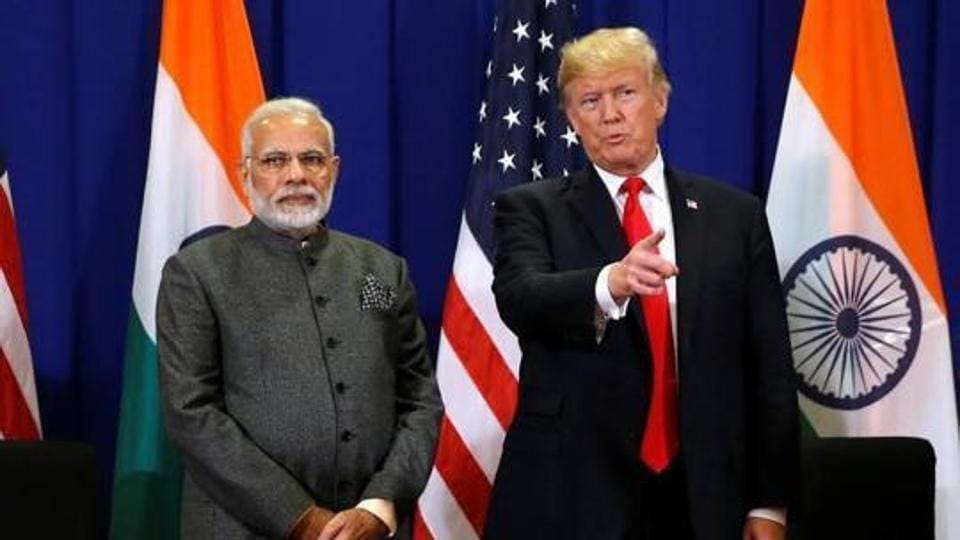
Indeed, the US is keen on the talks and could even be open to shifting the venue for the discussion between the foreign and defence ministers of the two countries to India, they added.
The officials, none of whom wished to be identified, said the dialogue had been postponed because Pompeo has to travel either to North Korea or Russia.
They dismissed theories that it was US concern over Iran (and India’s oil purchases from that country), the purchase of S-400 missiles from Moscow, or bilateral trade issues that resulted in the deferment. A report in the Financial Times said Pompeo was likely to travel to North Korea to discuss the country’s denuclearisation plans.
The Indian embassy in Washington was informed about the postponement of the dialogue by the state department on Wednesday morning with an assurance that secretary Pompeo would himself conveys his regrets to external affairs minister Sushma Swaraj later over phone. Before the state department communication, both countries were preparing for the meeting, with US ambassador to India Kenneth Juster meeting foreign secretary Vijay Gokhale on Tuesday afternoon.
Indian diplomats in the US echoed these views. They, and the Indian officials, pointed to US ambassador Nikki Haley’s meeting with Prime Minister Narendra Modi during which she said the US would not tolerate Pakistan becoming a safe haven for terrorists. They also pointed to the fact that a US trade delegation led by assistant US trade representative Mark Linscott is currently in Delhi negotiating the way to address bilateral trade concerns. India,for its part, the officials said, has decided to address the Trump administration’s concerns by buying oil and gas worth $4 billion a year from the US and also facilitating the purchase of 300 civilian jets worth $40 billion.
During his meetings with US trade representative Robert Lighthizer and secretary of commerce Wilbur Ross in Washington this month, commerce minister Suresh Prabhu agreed with his hosts that the only way to address trade concerns was through a comprehensive dialogue.
On US concerns over India buying the S-400 missile systems from Russia, South Block officials agreed that “this was not an ideal situation” but said that both sides were open to having a candid discussion given India’s legacy issues.
Although US sanctions against Iran will kick in on November 4, senior Indian diplomats said the US is not threatening India over purchase of crude oil from Tehran; Washington is aware that New Delhi had already cut down its oil intake from the Islamic Republic to 6% of the total oil it imports before the sanctions were lifted when Iran signed its deal with the US when Barack Obama was in power.
Even now, India imports only 18% of its crude oil from Iran. Before the dialogue was postponed, the talks on Communications Compatibility and Security Agreement (COMCASA) had recorded forward momentum towards closure by the end of this year and hardware acquisition through the foreign military sales route had been finalized with the two countries involved in advanced Malabar and RIMPAC (Rim of the Pacific) naval exercises.
It has also been decided that both India and the US will closely collaborate on a maritime security architecture through the Indo-PAC Command of the US Navy.
“ India-US relations are multi-faceted and on a vast canvass. It is normal to have differences over some issues. But saying US is threatening India (and that the postponement of the talks is one embodiment of this) is an overexaggeration of the facts on ground,” said a top Indian diplomat dealing with US.


