E-Paper



Creak show: Is it sound that makes horror films so scary?

 Prefer HTon Google


Some of the best soundscapes, it turns out, signal danger in ways we cannot ignore, alerting parts of our brain that evolved millions of years ago.
There’s a science to the sounds that make horror movies so scary.
It turns out that the best soundscapes have a certain set of things in common; things that awaken parts of our brain that evolved millions of years ago, and never go to sleep.
We’ll get to the latest findings in a bit. First, a look at the evidence.
What do the most iconic horror scenes really play on?
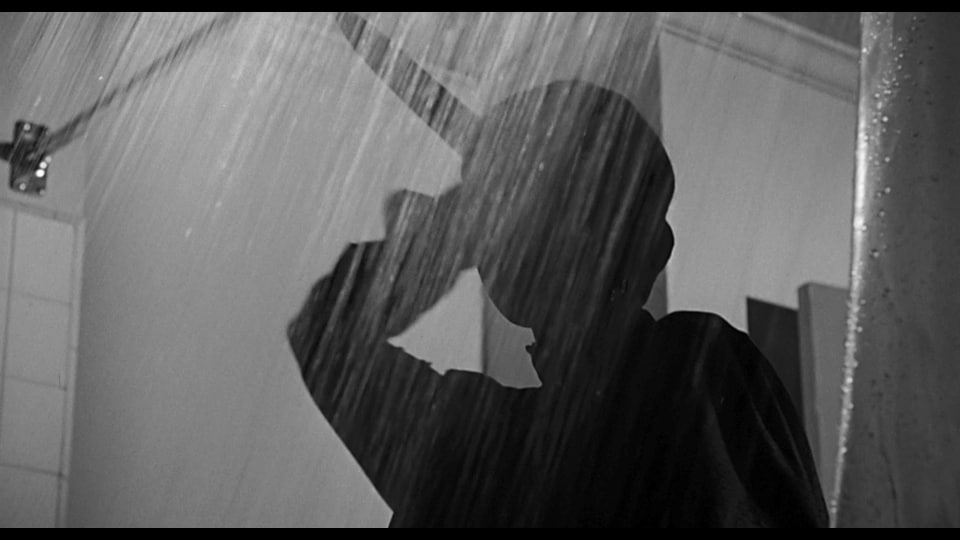
* The repetitive slashing of violins in the iconic shower scene in Alfred Hitchcock’s Psycho (1960) mimics the sound of a human scream.
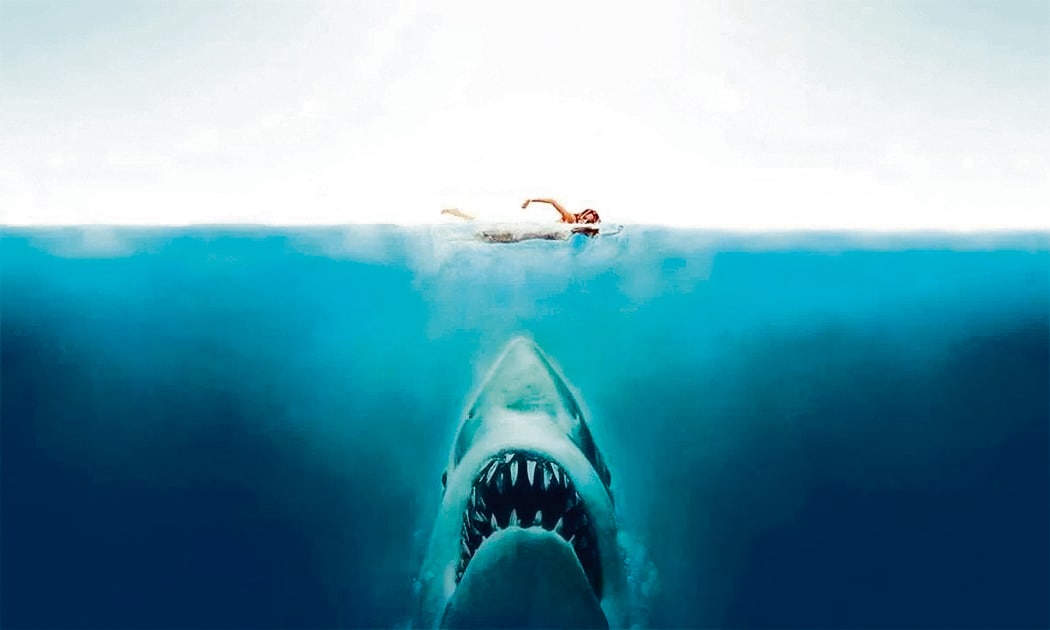
* The deep, ominous two-note motif of the tuba in Jaws (1975) signals the approach of an unseen predator in the water.
* Low moans, choking sobs, metal squeaks and micro-sounds of peeling wallpaper ratchet up the tension in Damian McCarthy’s folk-horror film Hokum (2026; which also weaponises silence).
They all suggest the presence of a predator larger than us, near us, that we likely can’t outrun.
In fact, a study published in the journal NeuroImage (conducted by researchers across Germany, Spain and the UK) found that a number of these screeches and shrieks share an audio register with a group of sounds that our brains learnt to pay attention to, even during sleep: rough vocalisations.
Certain “rough vocalisations”, like the human scream, bypass normal sleep filtering systems and provoke a startle reflex, in ways that other sounds of the same volume do not. “Historically, non-linear sounds of this kind would have been produced by a ferocious animal, a terrified human, or other such occurrence,” says Daniel Blumstein, a professor of evolutionary biology at University of California Los Angeles (UCLA) and the author of The Nature of Fear: Survival Lessons from the Wild (2020). “All these years later, they still attract our attention, and we still respond to them.”
Human screams occupy a “privileged niche” even within such sounds. They automatically jump to the front of our attention, says Susan Rogers, a music cognition researcher at Berklee College of Music. This is part of what makes the screeching violins in Psycho so effective: they reliably reproduce the chaotic fluctuations of a person in immense pain. In doing so, they signal a threat so severe that someone, likely nearby, has been unable to fend it off.
WELL, WELL, WAIL...
Filmmakers, of course, didn’t know any of this. They too were operating from instinct.
That is why horror-film soundscapes tend to contain more of these distorted non-linear sounds than would be expected by chance, Blumstein adds. They were adding them precisely because they felt their effects as well.
They had even gauged that inconsistency can add to the terror.
Heavy footsteps that suddenly pick up pace. A low, menacing rumble. “When sounds around us speed up, slow down or change, it signals to the brain that it must remain on high alert,” Blumstein says.
If everything suddenly goes silent, that can feel like a further intensification, says Caitlyn Trevor, a music cognition researcher and founder of the sound design consultancy SonicUXR, because silence in nature is deeply unnatural, and therefore a very bad sign.
SCREAM TEST
The threat then finally appearing plays an important role, because all that accumulated tension has to go somewhere.
A visual — particularly a grotesque or unrealistic one — can break viewers into reality, says Trevor. They might scream and then even laugh. That social aspect of recreational fear can be really enjoyable. “It’s a relief to be past the whole spell of anxiousness, as the momentum that built towards a terrifying moment didn’t quite deliver it,” she adds.
A study by Trevor published in Journal of the Acoustical Society of America in 2023 found that music in horror films mimics “rough sounds” to contribute to this effect too.
For her study, she asked 99 participants to listen to 180 excerpts of original soundtracks from horror films, and rate how effectively they conveyed terror or anxiety. The eventual set of top 100 excerpts allowed her to analyse how such music works. She found that the most terrifying music was often full of scream-like strings, shrieks and scrapes too.
THE THUD LIFE
The biological imperatives that kick in at such times are so strong, they essentially override reality.
It no longer matters that one is safe in a theatre or at home. No amount of comfort will induce the brain to ignore the signals it is receiving.
This is what makes the horror film feel so much more visceral than, say, a romcom or family drama. The anxiety caused by the sense of threat is so complete, it causes a comprehensive disconnect between what we hear and what we know to be true.
As the sense of threat intensifies, it becomes the one genre of movies people will walk out of — not because it isn’t working for them, but precisely because it is.
HEARD INSTINCT
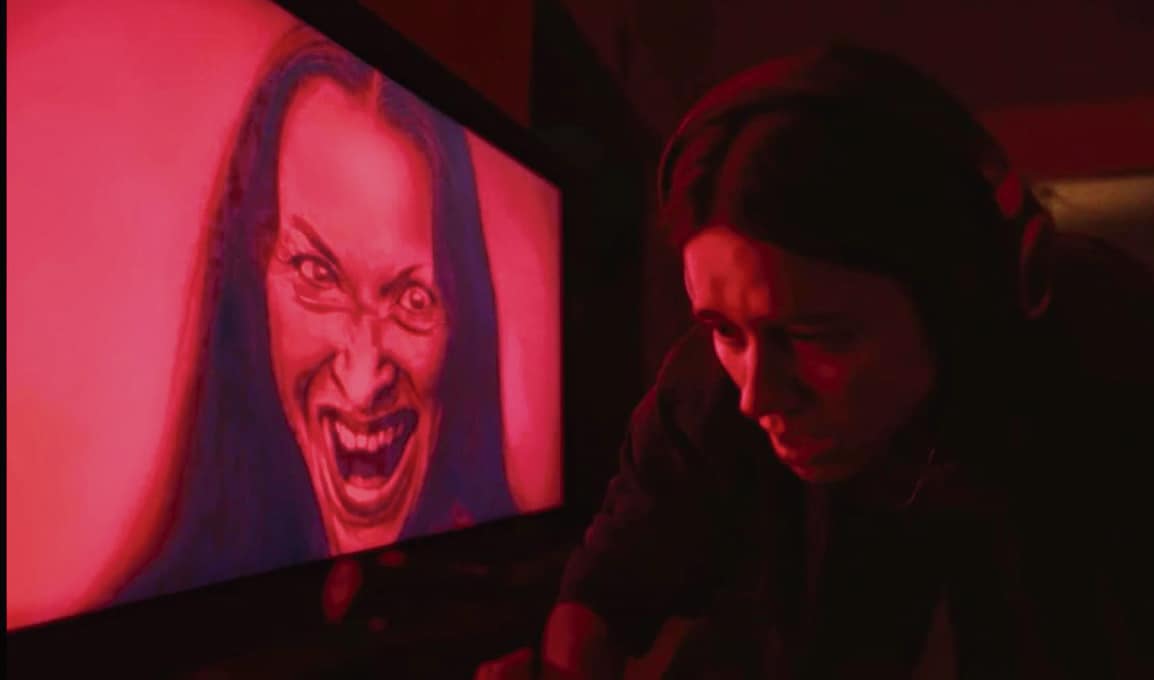
The power of such sound is even the theme of a new A24 horror film, Undertone (2026). It follows a sceptical podcaster on paranormal phenomena who returns to her childhood home to care for her dying mother. When she plays a series of disturbing audio recordings on her show, the sounds begin to bleed into and alter her reality.
She’s in a horror movie now. Heavy footsteps approach; there is a rhythmic distant breathing.
Honestly, we didn’t want to watch the rest.