E-Paper



Everyday explained: Why are traffic lights red, yellow and green?

 Prefer HTon Google


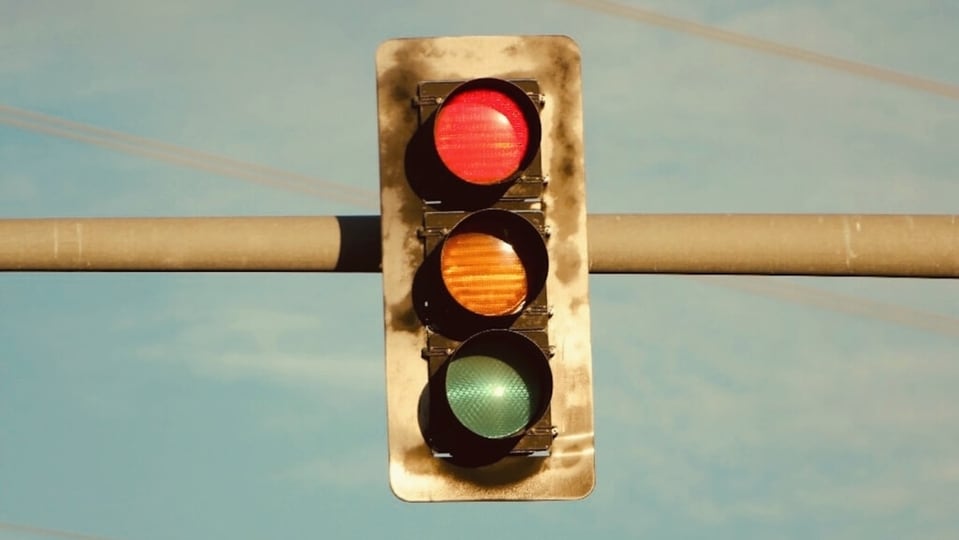
The traffic lights are standardised as red, yellow and green, for ‘stop’, ‘caution’, and ‘go'; but the colour choices are not without good reasons.
Drivers across the globe are familiar with the red, yellow and green traffic lights that help guide movement along the roads. But do you know why these three became the chosen colours within the visible colour spectrum? The answer involves the history of transport, colour psychology, and basic physics.
Also Read | Everyday explained: Why do vehicles have different coloured number plates?
How the red light became the ‘stop’ signal
According to the HistoryFacts website, the traffic lights we see today were not originally invented for the roads, but rather for the railways. To adapt the semaphore flagging signal for nighttime travel, the railway industry began to develop a light-based signalling system. Originally, red was used to signal “stop,” white meant “go,” and green was used to indicate caution.
The use of red was the perfect choice. It is inherently connected with danger in the human mind, likely because of its association with blood and fire. But there is also physics involved.
Red is present at one extreme of the visible spectrum, and has the longest wavelength within it. It dissipates less in the atmosphere and is visible from the farthest distance. It is even visible through fog and rain, as the colour refracts the least. Thus, the use of red to tell vehicles to stop and as a warning sign did not need any debate.
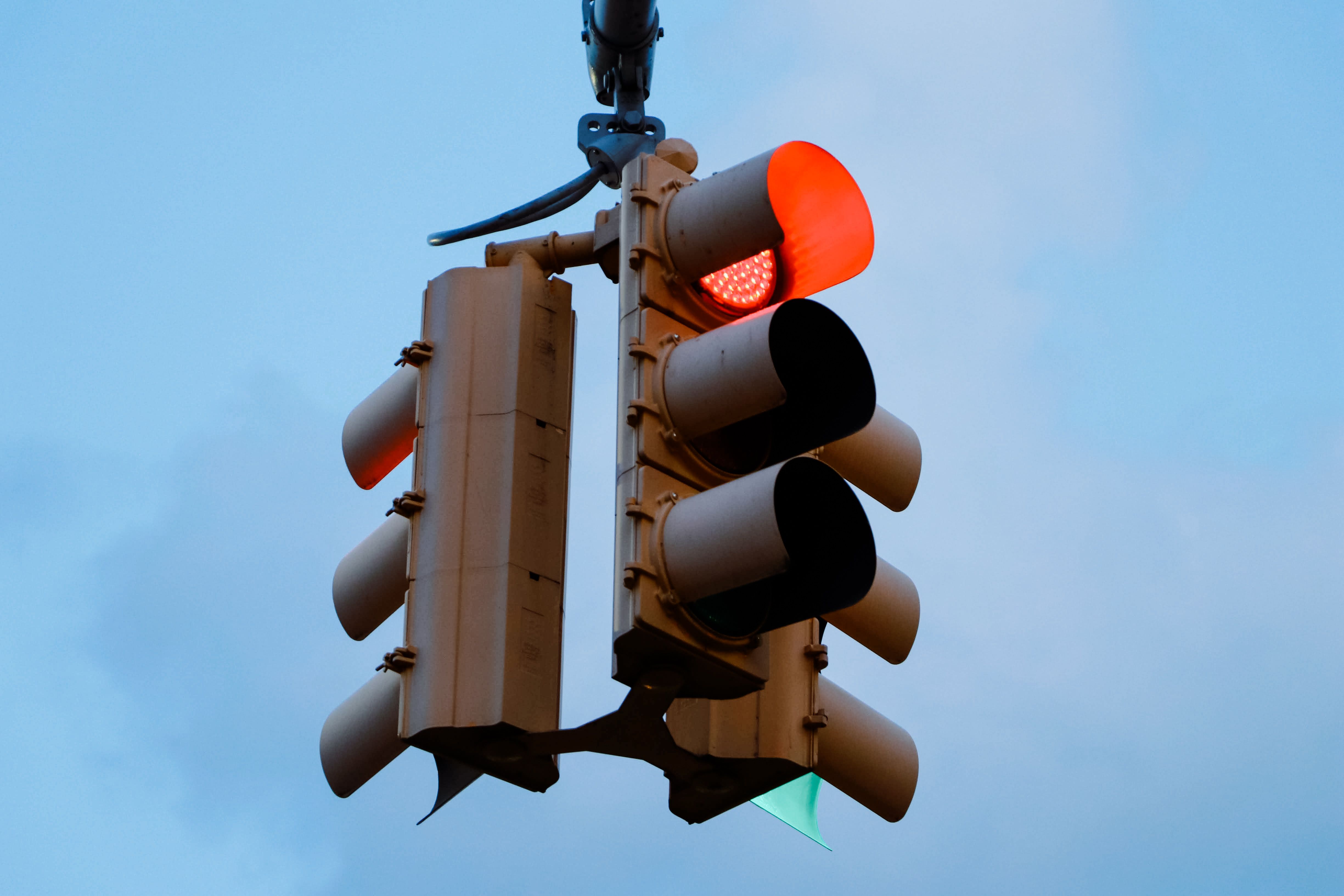
How the green light became the ‘go’ signal
When the light signalling was initially used for railways, green was not the “go” signal at first. Rather, it was white. But that had to be changed, as drivers confused them with other white lights present in the surroundings, like a star, street lamp, oil lantern, or the light from a building.
So, the green light, which was initially used to signal caution, was turned into the “go” sign. This was because it was distinctive in colour, contrasting significantly with red and not easily confused with natural light. While green has a shorter wavelength than red, it is visible over long distances.
Also, the photoreceptor cells in the human eyes, called cones, are sensitive to wavelengths of the three primary colours in the visible spectrum - red, blue, and green. The green-sensitive cones are the most numerous and most sensitive, so our eyes process green light more efficiently than any other colour. Therefore, it became the right choice for “go”.
How yellow became the ‘caution’ signal
The reason for yellow (or amber) being chosen as the caution signal was that it is distinct enough from both red and green to be a viable option. Yellow sits between red and green on the visible spectrum (VIBGYOR), can be seen across a distance, and has a psychological effect that is the middle ground between red and green.
The first three-way coloured traffic light was designed by Detroit police officer William Potts in the 1920s. He adapted the system for the road, and they were later standardised in the United States and many other countries across the globe.