
 E-Paper



How wood, greenery and natural textures can soften modern interiors and make your home feel warmer
Home is not created by furniture or colour alone. The materials, textures and natural elements brought into a space can also influence how it looks and feels.

 Prefer HTon Google


A home feels truly well-designed and welcoming when it carries personal touches that make the space feel cosy and comfortable. While wall colours and everyday furnishings help define the overall look and feel of a home, natural elements such as plants, wood and textured fabrics can make a room feel softer, warmer and more lived-in. As modern homes increasingly lean towards minimal furnishings and clean aesthetics, bringing in natural materials with a personal touch can complement the existing decor without overwhelming it. Instead, these elements can add warmth, depth and character, making the space feel more inviting and reflective of the people who live there.
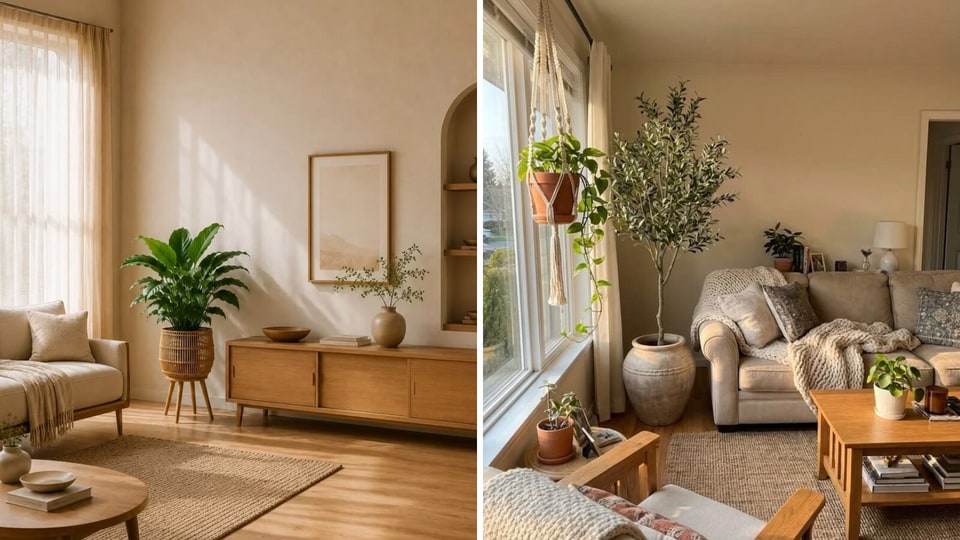

According to Priyanka Sinha, Founder, The Opulence Interior Design Studio, natural elements such as wood, plants and tactile surfaces can add softness and a human touch to modern interiors. “Natural wood, tactile surfaces and even foliage can add softness and a human element, turning a modern dwelling into a comforting space,” says Sinha.
From choosing the right wood finish to adding greenery and layering different textures, here are some ways to bring warmth into your home without making it feel cluttered.
Let wood become the foundation
Wood is one of the easiest ways to introduce warmth into an interior. Its natural grain, variations in colour and texture can add character to a space, unlike completely flat and uniform surfaces. Wood should not be used only to make the wooden flooring we see today; it can also be used for side panels, side tables, and more. The type and finish of the wood can also change the overall mood of a room. Lighter-toned wood can make a space feel airy, contemporary and relatively light, while darker woods such as walnut and teak can create a cosier and richer atmosphere.
However, balance is important. Using wood across every surface can make a room feel visually heavy. Instead, combine wooden elements with softer fabrics, lighter surfaces or contrasting materials to maintain a sense of openness.
Bring greenery into everyday spaces
Plants can instantly introduce a natural element into an interior. Beyond their colour, their organic shapes can soften the straight lines and structured forms often found in modern or minimalist spaces. A large statement plant can fill an empty corner, while a smaller flowering plant can sit on a console, shelf or windowsill. Even a single well-placed plant can become part of the room's overall design. However, adding plants does not mean placing greenery in every available corner. “The trees and their arrangements are always determined by the sunlight and the room's use,” says Sinha. She prefers using greenery as a strong design element that connects with the architecture and furniture rather than treating it as something that has to be present everywhere.
Use texture to create depth
A carefully selected colour palette can still look flat if every surface has the same finish. Texture can introduce depth and make a room feel softer and more layered. Textured cushions, cane furniture, woven baskets, jute accessories and linen curtains are some ways to introduce tactile elements. Wool rugs, cotton upholstery, natural wood and stone can add further variation. Natural materials such as bamboo and rattan can also contribute texture without requiring bold colours. Instead of matching every material, Sinha suggests experimenting with unexpected combinations. Polished stone can be paired with textured wood, plush upholstery with a woven rug, and natural fibres with artisanal decor.
Mix materials instead of matching everything
A nature-inspired interior does not need to use one material throughout the room. In fact, mixing different natural materials can make the space feel more thoughtful. For example, a wooden coffee table can be paired with a woven rug, linen cushions, and a stone accessory. The aim is not to make every element look identical but to create connections between materials through their colours, finishes and textures. This approach also allows homeowners to introduce natural elements gradually rather than replacing everything at once.
Balance is more important than quantity
Adding natural elements to a home is not about filling every corner with plants, wooden furniture and textured surfaces. Too many elements with similar finishes can make a room feel cluttered and make the design feel repetitive. Instead, think about what each material contributes to the space. “Wood can provide warmth, greenery will bring freshness, and textiles can add softness,” says Sinha. These elements can then be balanced with open space, light and simpler surfaces. For example, a room with dark wooden furniture may benefit from lighter upholstery and fewer decorative objects, while a neutral room can accommodate a more textured rug or a statement plant.
Use lighting to enhance natural materials
Lighting can alter how natural materials look throughout the day. In the evening, soft, warm light can bring out the grain in wood, the texture of fabrics, and the shapes of plants. Diffused lighting can also create a gentler atmosphere instead of harsh contrasts on textured surfaces. Rather than treating lighting as a separate decorative element, consider how it blends with the materials already in the room. For example, a wooden surface under warm light can appear richer.
Choose natural materials that suit your lifestyle
While natural materials can make a home feel more welcoming, they should also work with the way the space is used. A busy living room may benefit from durable upholstery and easy-to-maintain surfaces, while decorative woven elements can be reserved for areas less likely to experience heavy wear. Similarly, plants should be selected according to the available sunlight and the level of maintenance you can manage. The goal is to create a home that looks good but remains practical for everyday life.
Create a home that feels personal
One of the biggest advantages of natural materials is that they do not have to look perfectly uniform. Wood has its own grain and variations, textiles have different tactile qualities, and plants change as they grow. These qualities can make a home feel lived-in rather than overly styled.
“To me, creating warm interiors is about connecting to a space in an emotional way,” says Sinha. “Natural materials such as wood soften, plants breathe life, and textures offer a sense of comfort.” Personal objects can further enhance this feeling. Books, artwork, photographs, handcrafted pieces, and other meaningful accessories can be layered with natural materials to create a space that reflects the people who live in it. Ultimately, creating warm home decor is less about following a particular interior trend and more about finding a balance between materials, colours, lighting and personal touches. Wood can add warmth, plants can bring freshness, and textures can create softness when used thoughtfully; together, they can make a house feel more comfortable and personal.
Frequently Asked Questions:

Disclaimer: At Hindustan Times, we help you stay up-to-date with the latest trends and products. Hindustan Times has an affiliate partnership, so we may get a part of the revenue when you make a purchase. We shall not be liable for any claim under applicable laws, including but not limited to the Consumer Protection Act, 2019, with respect to the products. The products listed in this article are in no particular order of priority.


