
 E-Paper



Drawing Room: Ayuesh Agarwal on Varad Bang’s intimate portraits

 Prefer HTon Google


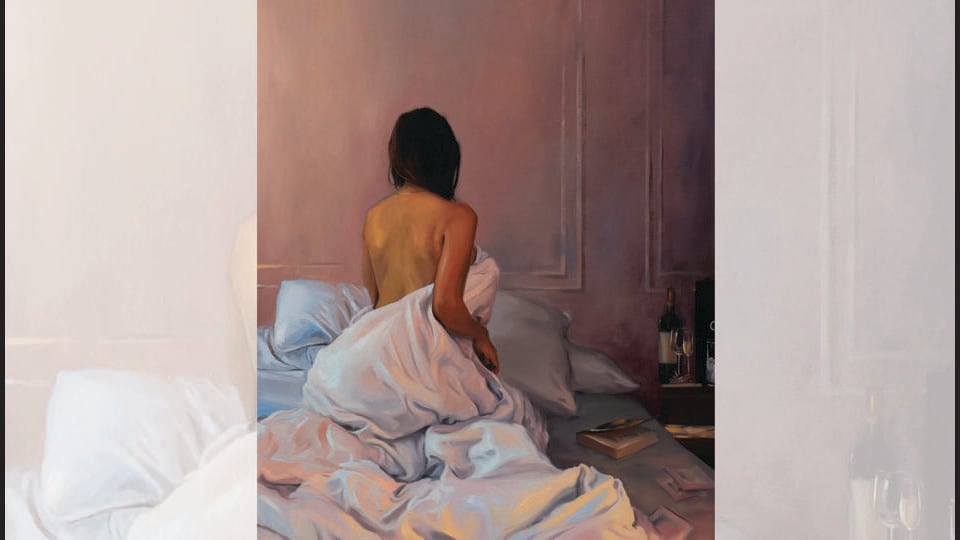
A turned back, an unmade bed, a woman lost in thought — Varad Bang’s portraits find stories in the spaces between what we see and what we don’t
We live in an age where we constantly present ourselves through images, from carefully framed and filtered selfies to perfectly curated Instagram feeds. But where selfies are performative, painting is an act of attention, and of looking closely at the world. When you paint someone’s face, you spend hours looking at them. You notice things that a photograph might flatten – the way the light changes across the face, the slight tension around the eyes, the rhythm of someone’s breathing, the way they hold their head when they are tired or thoughtful. A painted portrait preserves a particular act of looking. That is the charm of portraiture. A contemporary artist who does this exceptionally well is Varad Bang from Aurangabad, Maharashtra, whose debut solo show held last year at Pristine Contemporary in Delhi, brought to life filmmaker Wong Kar-wai’s artistic masterpiece, In the Mood for Love. Bang painted the protagonists of the film in a wash of lustful reds and browns, capturing their intense longing.
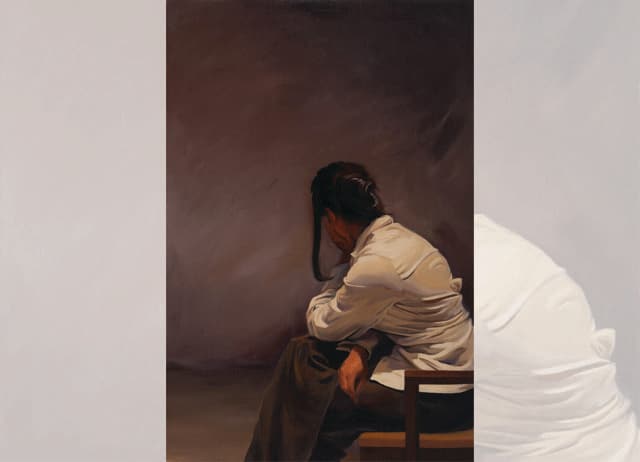
His more recent works include She Turned Away, in which a woman is seated on a chair, with her body turned away, and her face largely hidden. The painting deliberately denies us the conventional entry point of a portrait – the face and the expression. The act of turning away can imply many things: Withdrawal, discomfort, contemplation, exhaustion, refusal, or simply the desire to be left alone. In another one of his paintings, titled The Morning After, we see a woman sitting on the edge of an unmade bed, viewed from behind. The sheets and their folds occupy a large part of the composition. There are a book and a bottle beside the bed. There is an overwhelming sense of solitude. Is he depicting heartbreak? Regrets of the morning after an illicit encounter? Or sheer loneliness? Bang only shows us the aftermath of whatever has occurred. In both artworks, the body becomes a container for an internal experience that can be communicated without facial expressions.
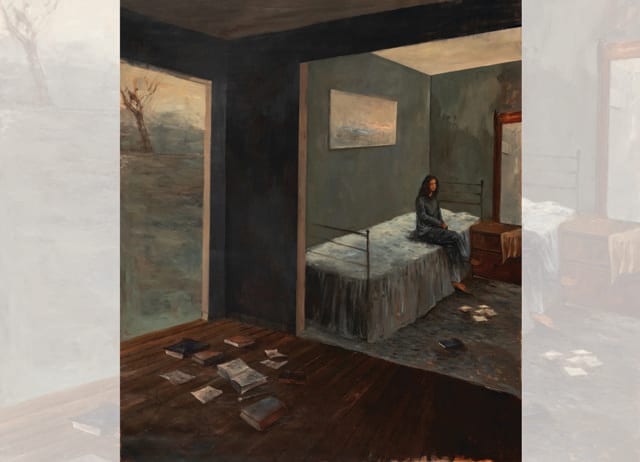
Originally trained in architecture in Pune, Bang decided to switch careers by enrolling at the Florence Academy of Art, Italy. There, he found his niche with figurative paintings of solitary figures, filled with emotion. Portraiture, when done right, records so much more than what a person looks like. Bang’s practice reminds me of painters such as Atul Dodiya, especially his series on classical Indian cinema, and the Pakistani-American contemporary painter Zaam Arif, both of whom paint unconventional portraits. Their artistry gives their portrait its expression, based on what is added and what is left out. They draw on a unique skillset of taking a very old language – that of figure, anatomy and chiaroscuro in oil painting – and dramatising it with theatrical poses and gestures to talk about emotional experiences such as loneliness or the melancholia of youth.
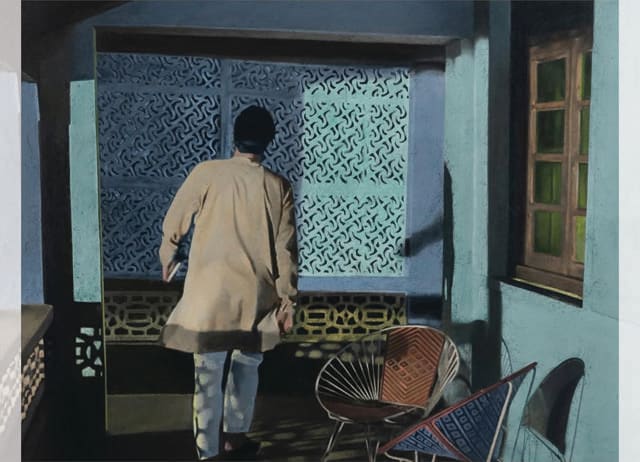
The one thing that all brilliant portraits have in common: They make us feel closer to the subject and feel their emotions. The Fayum portraits from Roman Egypt were painted almost 2,000 years ago but still make you feel like you are encountering the subject of the painting up close, with their vivid expressions. Artists such as Rembrandt and Vermeer could reproduce their subjects’ sculptural presence on a flat canvas, where the figures seemed to be alive with emotion and depth. These weren’t attempts to freeze a person in time, as with selfies today. Instead, these paintings allow images to live a life of their own, inviting people to bring their own experience to the experience of viewing them. Perhaps that is why portraiture has survived for so long. We want to believe that the person in the painting once stood before someone, breathed, thought, felt - and that somehow, centuries later, we can still meet them here.
Ayuesh Agarwal from Hyderabad is an artist and arts educator who founded the Samsara Academy of Art. His figurative work explores the spaces we inhabit, and how they reflect our inner lives.
From HT Brunch, September 5, 2026
Follow us on www.instagram.com/htbrunch


