
 E-Paper



Guest Column by Dr Siddhant Bhargava: Trick or treat?

 Prefer HTon Google


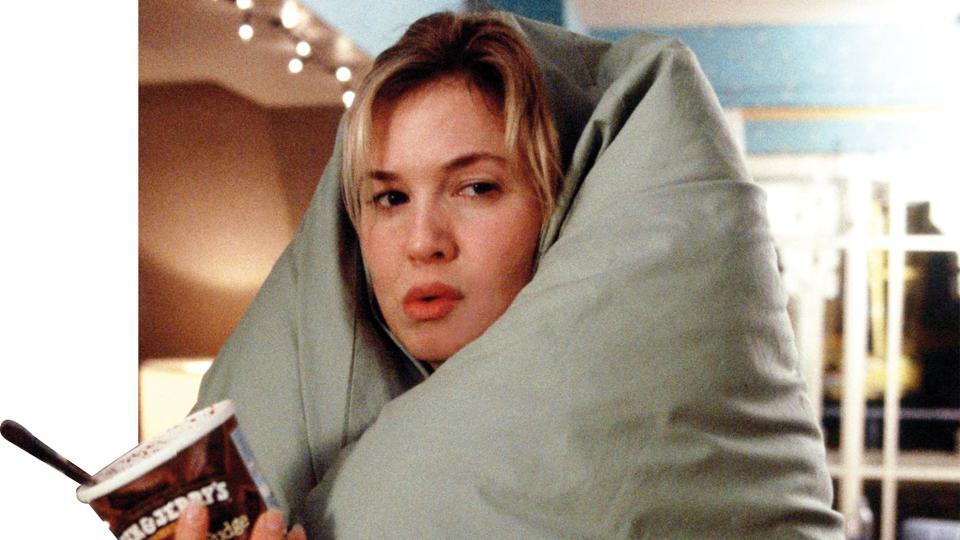
Everyone indulges in emotional eating, whether they realise it or not. But how do you stop the bingeing?
Emotional eating depends on the relationship you developed with food at a young age. It begins at home, though, of course, your friends too influence your food habits later.
If, when you were young, you did something good and were rewarded by a chocolate/treat, then your brain wires itself into thinking that food is a motivator or demotivator. When you get that chocolate, you feel even happier about doing that ‘something good’. And that starts the cycle of turning to food when you want to feel happy. In other words, emotional eating.
You also see people binge/emotional-eating when they are sad in movies.
Spot the pattern
Now, you reach a point when you eat simply because you feel too strongly about something. There’s also science to it: sugar gives you a dopamine kick. And it becomes a pattern.
I myself turn to food often. Just last night I felt overwhelmed with work and ordered fried chicken burgers and a milkshake. I just wanted to eat. This morning, I woke up feeling disgusted. Which means I won’t eat anything all day, and then want to indulge again. It becomes a cycle. I only realised that I binge eat during the lockdown, when daily physical activity didn’t burn away the calories as I was just at home.

Even from a doctor’s perspective, it’s fine to give into emotional eating once in a while. But done too often, it leads to disorders like bulimia and anorexia. Binge eating only gives momentary satisfaction because it’s the thought
that you are going to eat something great that makes you happy, not the actual food.
Dose of dopamine
To avoid emotional eating, parents ideally should not treat food as a reward. Education and awareness is the only way forward.
You also need to know when it’s feelings that drive you to eat and when you’re actually hungry. But, then again, when you’re feeling low, you are unlikely to question yourself.

So, keep yourself full and avoid large gaps between meals. Don’t leave snacks at home and delete food delivery apps. And of course, avoid stressors.
Find dopamine alternatives like dancing, exercise, an interesting activity or even hanging out with friends. If you keep charging your brain with dopamine, you won’t turn to food. Talking to a therapist about it also helps.
(As told to Karishma Kuenzang)
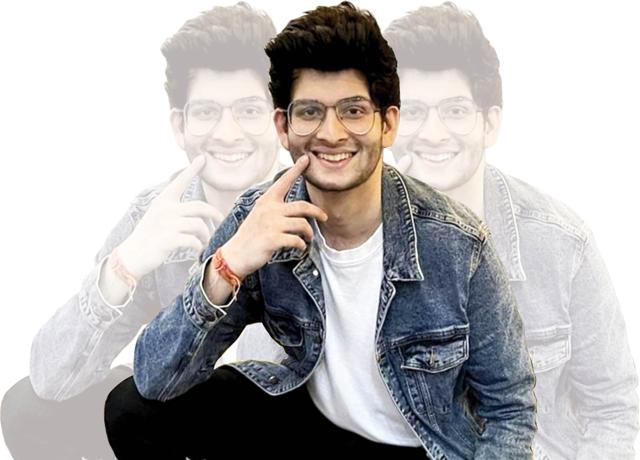
Dr Siddhant Bhargava, 28, is an obesity medicine specialist who also runs Food Darzee.
I Say Chaps is a column that allows passionate, creative people a platform to have their say.
From HT Brunch, August 27, 2022
Follow us on twitter.com/HTBrunch
Connect with us on facebook.com/hindustantimesbrunch


