
 E-Paper



Bengaluru dermatologist shares 1 parameter that can predict your future health risks: 'It's not BMI or total body fat…'

 Prefer HTon Google


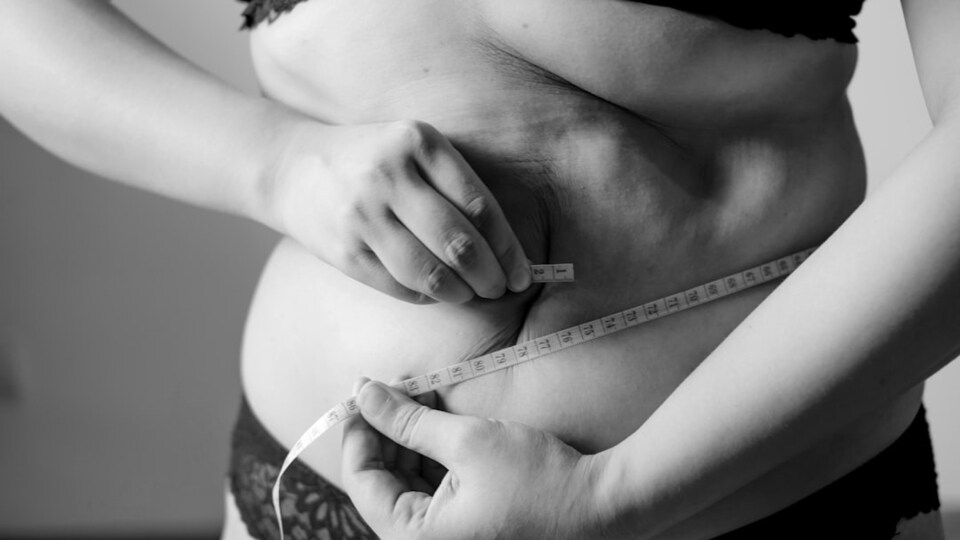
While BMI and total body fat percentage are important parameters, there is another more important metabolic marker which can determine your disease risk.
Your current health numbers don’t just reflect how you’re doing today - they often predict how healthy you’ll be years down the line. While weight and BMI tend to get the most attention, deeper metabolic markers can offer far more meaningful insight into future health risks. Tracking the right parameters early can help flag potential problems long before symptoms appear, giving you the opportunity to intervene through lifestyle changes rather than crisis management later on.
Dr Priyanka Reddy, a Bengaluru-based dermatologist, cosmetologist and trichologist, and the founder of DNA Skin Clinic and Wellness Centre, has highlighted one crucial health parameter that can offer early insight into your future health risks. In an Instagram video shared on January 3, the dermatologist explains what causes this parameter to increase, how to track and measure it, and the steps you can take to bring it down to healthier levels.
What is the parameter?
According to Dr Reddy, visceral or centripetal fat is an important health parameter which most people are unaware of - which is more important than body fat percentage or BMI. She explains, “This is the centripetal or visceral fat - the fat around the abdomen and internal organs. It starts in your late 20s to early 30s and it can predict your future health problems like these and it is closely linked to insulin resistance, poor sleep cycle, stress and other factors like these. This is also called apple-shaped obesity.”
The dermatologist highlights that visceral fat does not appear suddenly but gradually accumulates over the years due to poor sleep, stress and metabolic overload. However, the good news is that it can be tracked and modified through lifestyle changes.
How to track visceral fat?
Dr Reddy outlines four ways to track or measure visceral fat, ranging from simple at-home methods like manual tape measurements to more precise clinical tests.
- Measuring waist circumference: Women with a waist circumference above 80 cm and men with a circumference exceeding 90 cm are considered to be at higher risk.
- Wait to height ratio: A waist to height ratio of more than or equal to 0.5 is unhealthy.
- DEXA: Dual-Energy X-ray Absorptiometry is the most accurate tool for clinical testing of visceral fat.
- Smart scales: A visceral fat score that exceeds 9 places you at higher risk. However, this is a trend, not an absolute diagnosis.
According to the dermatologist, the healthy range is as follows:
- Women: Waist circumference less than 75 to 80 centimeters is healthy but risk rises after 40.
- Men: Waist circumference less than 88 to 90 centimeters is considered healthy but risk rises after 40.
Causes of high visceral fat
Dr Reddy highlights the following factors as key reasons why visceral fat tends to increase:
- Poor sleep
- Stress
- Insulin resistance
- Low muscle mass
- Alcohol
- Ultra-processed carbs
- Hormonal shifts (PCOS, menopause, low testosterone)
How to reduce visceral fat?
According to Dr Reddy, the following routines can help reduce unhealthy visceral fat:
- Strength training three to four times a week is non-negotiable.
- Zone 2 cardio along with one to two HIIT sessions per week.
- Prioritise protein and fibre-rich meals. Cut sugary drinks and late-night eating.
- Maintain seven to eight hours of consistent sleep.
- Actively manage stress (yoga, dance, breathwork)
- Pause alcohol if levels are high
If visceral fat does not reduce despite consistently following these measures, the dermatologist advises getting evaluated for underlying issues such as thyroid dysfunction, insulin resistance, elevated cortisol levels, and hormonal imbalances like PCOS or testosterone irregularities.
All-round maintenance rules
If you are at a higher risk of developing visceral fat - or have already managed to reduce some of it - Dr Reddy recommends following these guidelines to keep it in check:
- Track waist circumference monthly.
- Lift weights year-round.
- Prioritise sleep.
- Manage stress before cutting calories.
Dr Reddy concludes by emphasising that visceral fat is a metabolic issue rather than a simple weight-loss problem. Once the underlying imbalances driving visceral fat are addressed, the reduction in fat naturally follows.
Note to readers: This article is for informational purposes only and not a substitute for professional medical advice. It is based on user-generated content from social media. HT.com has not independently verified the claims and does not endorse them.


Catch your daily dose of Fashion, Taylor Swift, Health, Festivals, Travel, Relationship, Recipe and all the other Latest Lifestyle News on Hindustan Times Website and APPs.


