
 E-Paper



Cervical cancer risks for teens: Gynaecologist shares 5 key changes to protect your health early on
Teenagers can lower their cervical cancer risk by getting the HPV vaccine, practising safe sex, making healthy choices, and discussing reproductive health.

 Prefer HTon Google


Teenagers are generally at minimal risk for cervical cancer. Still, they can be at risk of contracting the human papillomavirus (HPV), which is a leading cause of cervical cancer later in life. Understanding this connection is important because many people are unaware of how HPV is transmitted or how it can affect their health in the future. Being informed about HPV and its potential risks can empower teens to take proactive steps, such as getting vaccinated and practising safe behaviours, which can help protect their health as they grow older.
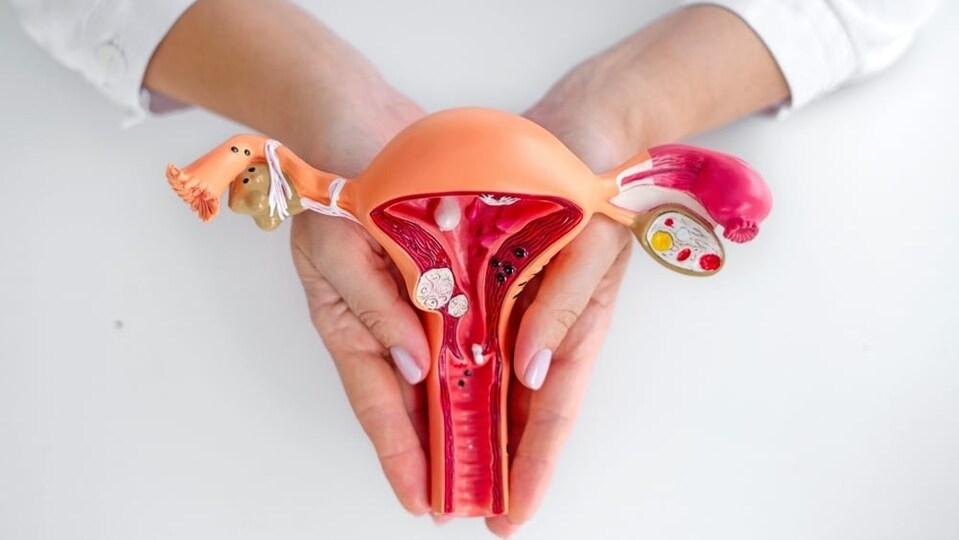

"Cervical cancer mainly results from infection with high-risk types of human papillomavirus (HPV). This virus is so common that most people will encounter it at some point in their lives," Dr Sowmya Raghavan, Obstetrician and Gynaecologist, Laproscopic Surgeon & Fertility Specialist, Apollo Cradle & Children's Hospitals, Karapakkam, Chennai, tells Health Shots. According to a study in the Journal of Colposcopy and Lower Genital Tract Pathology, cervical cancer is the fourth most common cancer among women worldwide and the second leading cause of cancer-related deaths in India. "Early exposure to HPV during adolescence can put young women at risk for serious health problems later on", says the obstetrician.
How can you reduce the risk of cervical cancer?
The gynaecologist shares five key changes that can impact your risk of cervical cancer:
1. HPV Vaccine
While teenagers are generally at minimal risk of developing cervical cancer, they may still contract human papillomavirus (HPV), which can lead to cervical cancer later in life. This is why the HPV vaccine is recommended. It provides the best protection against certain types of HPV, particularly those associated with cervical cancer, such as types 16 and 18. The Centres for Disease Control and Prevention (CDC) recommends that individuals receive vaccination between the ages of 11 and 12, ideally before becoming sexually active. However, even if you are 26 or older, you can still receive the vaccine if your healthcare provider recommends it.
When young people get vaccinated, they lower their risk of cervical cancer later in life, according to the World Health Organization. "This vaccination not only protects individuals but also helps reduce the risk for their peers and future generations", says the gynaecologist. Taking this proactive step can empower young people and positively impact other areas of their lives.
2. Safe sexual practices
After getting the HPV vaccine, it's important to understand safe sex practices. "The vaccine lowers your risk of getting HPV, but it doesn't completely take it away. Always use condoms during sex," says the laparoscopic surgeon. This helps protect against HPV and other sexually transmitted infections.
Condoms can help reduce the risk of spreading disease. Still, they don’t protect against all areas that might come into contact with the virus. "Because of this, it is a good idea to limit the number of sexual partners you have", says the fertility specialist. Be open with your partners about your sexual health. This honesty strengthens relationships and helps everyone take responsibility for their health choices.
3. Adopt a healthy lifestyle
Your lifestyle choices in your younger years can affect your health, including your cervical health. "Smoking can weaken your immune system, making it harder for your body to fight off HPV and other infections", says the doctor. The harmful chemicals in cigarettes can also damage cervical cells, increasing the risk of cancer.
Instead, focus on eating a balanced diet with plenty of fruits, vegetables, and whole grains. This supports your immune system and overall health. "Along with regular exercise, drinking enough water, and managing stress through practices like meditation or yoga, you will build a strong foundation", says the expert. This makes it easier for your body to fight off health risks.
4. Stay informed about screening
Cervical cancer screening is usually not recommended until later in life, but it's important to start thinking about it early. "Cervical cancer often doesn't show symptoms in the beginning, and issues may not appear until the cancer has advanced", says Dr Raghavan. In your early twenties, it's essential to start regular screening with Pap tests and HPV tests. These tests can find changes in the cervix before they turn into cancer.
Reports from BMC Medical Ethics indicate that early detection of health changes is critical. Doing so can reduce cancer rates and deaths. "As you grow up, make it a priority to schedule these screenings," the doctor shares. Share this information with your friends and family. It’s a simple and effective way to support each other.
5. Safe spaces for conversations
Create a space where talking about health issues, especially sexual health, is welcome. "It may feel awkward at first, but having these discussions with friends, family, or trusted adults can help reduce the stigma around reproductive health topics", says the specialist.
Being informed gives you power. "When we talk openly about cervical health, more young people will get the care they need instead of feeling embarrassed or misinformed", says the expert. Whether through social media or community health workshops, promoting your own and others' health is a powerful act.
(Note to readers: This article is for informational purposes only and not a substitute for professional medical advice. Always seek the advice of your doctor with any questions about a medical condition.)

Catch your daily dose of Fashion, Taylor Swift, Health, Festivals, Travel, Relationship, Recipe and all the other Latest Lifestyle News on Hindustan Times Website and APPs.


