
 E-Paper



Child glued to a phone while eating? Nutritionist Rujuta Diwekar shares 3 strategies to reduce screen time during meals

 Prefer HTon Google


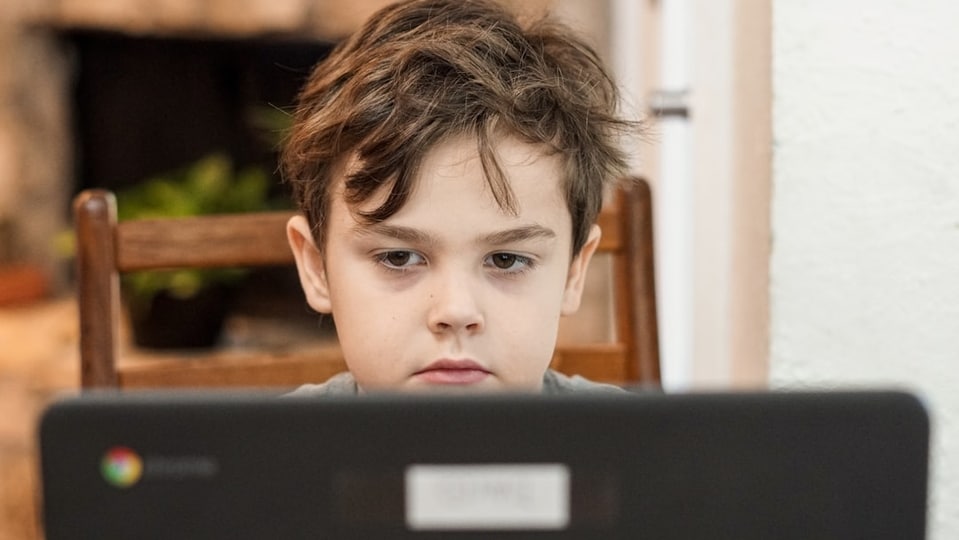
If your child constantly needs a screen in front to finish food, breaking the habit can feel frustrating – these tips recommended by Rujuta Diwekar can help.
Children today are surrounded by screens, and for many, phones and tablets have even become a regular part of mealtimes. If your child refuses to eat without watching a video or scrolling through a screen, you may be wondering how to break the habit.
Beyond encouraging excessive screen time, eating while distracted can take away from the experience of paying attention to food, hunger and fullness cues. Reducing screen dependence during meals can therefore help children develop healthier eating habits and a more mindful relationship with food.
Rujuta Diwekar, a celebrity nutritionist, who has worked with actors including Kareena Kapoor, has shared three practical strategies to help parents reduce their children’s dependence on screens during mealtimes. In an Instagram post shared on August 4, the nutritionist stresses, “Child not eating without phone? Don’t panic, you are not alone.”
Screens are addicting
Screens are designed to keep users engaged, which can make behaviours such as doomscrolling particularly difficult to resist. If adults, who generally have greater self-control, can struggle to put their phones down, it is understandable that children may also find it difficult to break away from excessive screen time. Rujuta highlights, “Screens are built for addiction. So it’s not bad parenting that got your child there, relax.”
If your child refuses to eat without a screen, remember that it does not mean you have failed as a parent. Rather than feeling helpless or blaming yourself, the nutritionist recommends using practical strategies to gradually reduce your child’s dependence on screens during mealtimes. She explains, “Children refusing to eat without phones is a problem that needs strategy. Unfortunately, most parents, mothers especially, tend to feel helpless, frustrated and even guilty.”
Strategies to reduce screen addiction during mealtimes
Rujuta recommends three practical strategies to help children gradually break the habit of using phones during mealtimes.
- Fixed meal times, for lunch and dinner.
- Eating along with an adult – parent or grandparent.
- Allowing kids to eat slowly, no rushing.
Results take time
Rujuta highlights that while these strategies can help, they are not fool-proof and may take time to show results. Rather than expecting your child’s habits to change overnight, she recommends being patient, giving them time to adjust and celebrating small victories along the way. And if you have tried these strategies before without success, she suggests trying again rather than giving up.
The nutritionist notes, “None of this is fool-proof and the actual results take time. But essentially you could say that about good things in life. Every meal away from the phone is a victory. Because it allows for attention, nurture and joy of eating to return.”
Note to readers: This article is for informational purposes only and not a substitute for professional medical advice. It is based on user-generated content from social media. HT.com has not independently verified the claims and does not endorse them.
Rujuta Diwekar holds a postgraduate degree in sports science and nutrition from SNDT College in Mumbai, alongside specialised certifications in sports science, dietetics, and yoga. She has worked with celebrities including Kareena Kapoor, Alia Bhatt, Varun Dhawan, Saif Ali Khan and more.


Catch your daily dose of Fashion, Taylor Swift, Health, Festivals, Travel, Relationship, Recipe and all the other Latest Lifestyle News on Hindustan Times Website and APPs.


