
 E-Paper



Delhi dietician reveals why herbal tea is better than chai during pollution season, suggests which ones work the best

 Prefer HTon Google


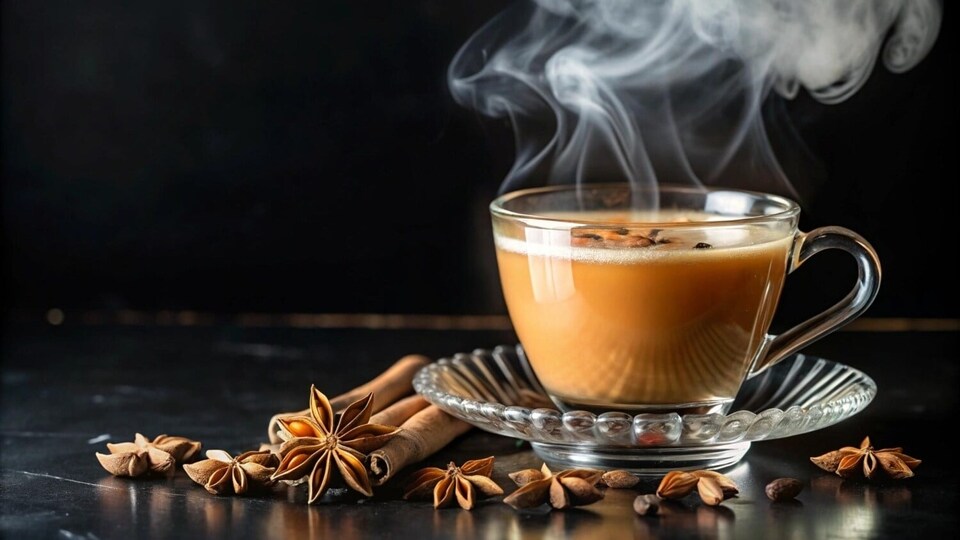
Pollution season exerts a lot of stress on health. You can mitigate it by choosing the right daily drink. There are better alternatives to regular tea.
Energy slump and tea are often used interchangeably. Feeling groggy in the morning? Put the stove on for tea. Bored at work? Go for a stroll with colleagues to the nearby tea place. Feeling drained after a long meeting? Tea to the rescue. Tired at home after a long day's work? Snuggle on the couch with a hot tea. In other words, whenever your energy level feels low, the first instinct is to reach for a caffeinated drink like tea.
But with Delhi's air remaining polluted for weeks on end, with no relief in sight, energy levels too take a hit. To cope with the smoggy season, as usual, many may turn to tea. But while it may lift your spirits, does it really help your body deal with pollution?
HT Lifestyle reached out to Payal Sharma, senior dietician at Dharamshila Narayana Superspecialty Hospital, Delhi, who shared that herbal tea is another alternative people can opt for. She revealed that herbal tea may even be better than regular tea, especially in the pollution season.
Why is herbal tea better than regular tea?
Morning cup of chai may have become a part of a comfort ritual, but the pollution season calls for a healthier swap, one that helps your body to combat the harmful effects of bad air.
“Herbal teas are beneficial substitutes for traditional milk-based chai," the dietician confirmed. "Rich in antioxidants and plant compounds, these infusions can assist in reducing inflammation and supporting detoxification, both of which are crucial when the body is exposed to polluted air.”
Herbal tea, anyway, has had a good reputation because of its healthy, non-caffeinated properties. But their relevance becomes even more pronounced and relevant during the high-pollution months.
As the dietician explained, herbal teas are rich in antioxidants, which help reduce oxidative stress, a common effect of prolonged pollution exposure. So how does it work? They work by neutralising harmful free radicals. Ultimately, these teas ease the body's pollution-related stress, supporting both immunity and overall health.
So if you are considering herbal teas, then there are several different types you can choose from, which help to keep your energy up during the pollution season.
4 herbal teas to try this pollution season

Dietician Payal listed out these 4 teas:
1. Tulsi tea
- One of the most effective options.
- Known for its high antioxidant content, tulsi helps neutralise free radicals generated by pollutants.
- Supports lung function and boosts the immune response, making it especially relevant during periods of heavy smog.
2. Ginger tea
- Offers additional support due to gingerol, a natural compound with anti-inflammatory and antimicrobial properties.
- Regular consumption may help in easing respiratory discomfort by clearing mucus and soothing the throat and airways.
3. Peppermint tea
- Recommended for its cooling and decongestant effect.
- Helps relax the respiratory passages and can provide relief during episodes of nasal congestion or chest heaviness.
- Supports digestion, which often becomes sluggish when the body is under environmental stress.
4. Green tea
- Packed with polyphenols.
- Assists in reducing oxidative stress and supports liver function.
- Plays a central role in detoxifying the body from pollutants.
But it is important to note that no drink can provide an absolute shield. Herbal drinks can, however, be a part of a broader wellness routine during pollution season, helping you stay resilient through the smog.
Note to readers: This article is for informational purposes only and not a substitute for professional medical advice. Always seek the advice of your doctor with any questions about a medical condition.


Catch your daily dose of Fashion, Taylor Swift, Health, Festivals, Travel, Relationship, Recipe and all the other Latest Lifestyle News on Hindustan Times Website and APPs.


