
 E-Paper



Dengue: Watch out for these side effects that can stay even after recovery, check health tips by doctors to treat them

 Prefer HTon Google


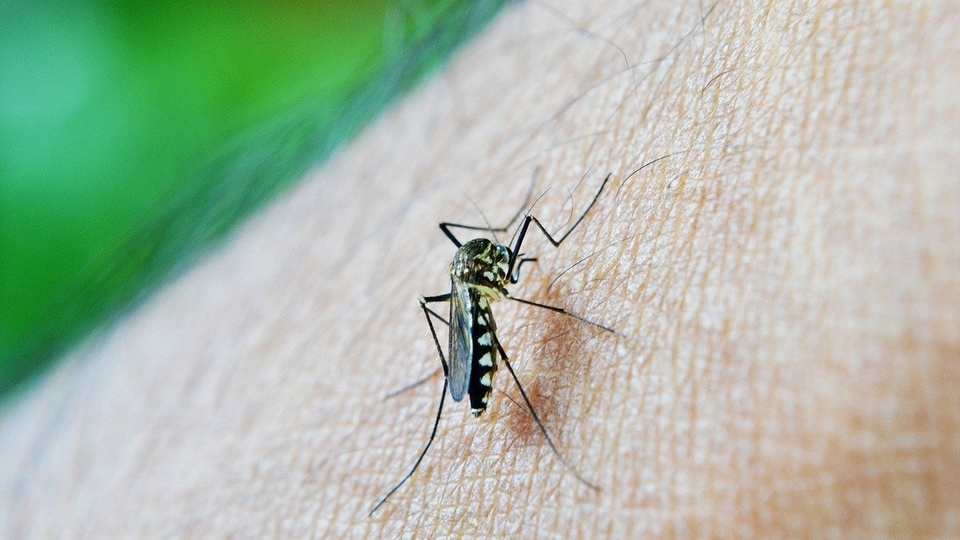
Doctors share a list of side effects of dengue that can stay even after recovery, reveal health and fitness tips to treat the same
If you have been diagnosed with dengue, do not fret as health experts insist that a speedy recovery from this deadly mosquito-borne disease is possible with the help of good nutrition, ample rest and trying some Yoga asanas but doctors reveal that there are some side effects of dengue that can stay even after recovery. Transmitted to humans through the bite of infected Aedes aegypti mosquitoes and Ae. albopictus mosquitoes, dengue is a viral infection found in tropical and sub-tropical climates worldwide, mostly in urban and semi-urban areas and a leading cause of serious illness and death in some Asian and Latin American countries.
According to the World Health Organization, “Dengue causes a wide spectrum of disease. This can range from subclinical disease (people may not know they are even infected) to severe flu-like symptoms in those infected. Although less common, some people develop severe dengue, which can be any number of complications associated with severe bleeding, organ impairment and/or plasma leakage. Severe dengue has a higher risk of death when not managed appropriately.”
In an interview with HT Lifestyle, Dr Manjusha Agarwal, Senior Consultant-Internal Medicine at Global Hospital in Mumbai's Parel, shared, “Dengue fever is a viral fever caused by mosquito bites. Cases of dengue fever are seen throughout the year especially during monsoon season. Though complete recovery is a norm but many complications can occur during the infectious period which can be fatal like severe fall in platelets and white cell count, liver enzymes derangement and multi organ failure. It is important to be under supervision of a doctor with regular monitoring of blood parameters till complete recovery ensues.”
Dengue fever is also known as ‘breakbone fever’ as patient suffers from continuous high-grade fever, headache and severe bodyache, loss of appetite, sometimes abdominal pain, nausea and vomiting. Rarely patients can have bleeding due to low platelets and low BP (Dengue shock syndrome).
Post-recovery symptoms:
Dr Manjusha Agarwal revealed that usually patients recover completely but in the convalescent period, there can be few problems like-
1. Persistent fatigue and weakness called post viral asthenia - Patients should ensure good intake of nutritious food coupled with rest. Do not hurry to get back to daily routine work commitments if you feel extremely tired. Recuperation hastens with good rest.
2. Lingering muscle aches and headaches are seen - Ensure adequate hydration, rest. Start small strolls in your neighborhood and gradually increase your walk time rather than rushing to get back to your daily exercise schedule.
3. Loss of appetite may be seen which recovers with good nutritional intake.
4. Hairloss is common as in all viral fevers - Reassuring to know that it is not long lasting and recovers well in few weeks. Talk to your doctor who will prescribe you hair specific vitamins and protein supplements to help recovery.
Bringing her expertise to the same, Dr Trupti Gilada, Consultant Physician in Infectious Disease at Mumbai's Masina Hospital, pointed out that although mosquito-borne diseases tend to surge during monsoon, diseases like Dengue and Malaria are seen round the year in many parts of the country. She said, “While the dengue disease itself can cause severe complications like low platelets, liver and kidney dysfunction, the mortality rate remains low but what can be worrying are the symptoms that linger, even after recovery from dengue fever. Although not everyone suffers from the post-dengue recovery symptoms, it can be extremely difficult for the ones who have fragile health or undergo severe dengue infection especially in children and the elderly.”
She and Dr Sonukumar Puri, MD Physician at Jain Multispecialty Hospital, listed post-dengue recovery symptoms in children and the elderly as below:
1. Severe weakness and impaired immunity - This is one of the most common symptoms seen especially in those who had a severe dengue infection. The extreme fatigue and weakness often makes it difficult for these people to even walk around their homes for basic activities. Also, the dengue fever can impair the body’s immune system for a few weeks making the person susceptible to other infections.
2. Joint and muscle pains - Muscle, joint and bones pains are common even during Dengue fever. It is sometimes called ‘Breakbone fever’ but if the dengue fever reaches an extreme phase, then the troublesome symptoms of polyarthralgias (multiple joint aches) and myalgias (muscle aches) can sometimes continue even for days after recovery.
3. Loss of appetite and weight loss - Dengue is often associated with nausea and loss of appetite making it difficult to eat well and keep up with the increased demand of the body for nutrients. This together with the increased metabolism of the body in fever causes weight loss. This can also lead to mineral and vitamin deficiencies. Fighting the dengue infection for a long time makes the body extremely weak and easy fatigability as the person experiences loss of appetite causing weight loss. One can maintain ideal body weight by including more nutritious foods into their diet.
4. Hairfall - An excessive hairfall is experienced in many people who have recovered from dengue. This can continue even for upto 2-3 months post recovery. In some, it can be severe enough to cause alopecia because of medications, metabolic or hormonal stress or severe systemic infections
5. Post- dengue recovery symptoms like skin rash or neurological complications are very rare although not unknown.
6. Anxiety and depression - These long standing symptoms and the inability to resume routine life can often lead to anxiety and depression. A severe change in stress, depression and anxiety score was seen in people who suffered from dengue fever.
7. Deficiencies - Minerals and vitamin deficiencies like Vitamins D, B12, E have been commonly seen in people affected from dengue. This is also one of the reasons why joint pain becomes worse during and after dengue.
8. Cases of GBS have been found in recovery phase in which the body’s immune system damages nerve. The damage to the nerves causes muscle weakness and paralysis.
Dr Dhiraj Bhattad, Consultant-Internal Medicine at Sir HN Reliance Foundation Hospital, said, “Even after recovery, many patients bear its after effects like fatigue, generalized weakness, body ache with joint pains, loss of appetite, rashes, hair loss, etc. Generalised weakness and fatigue are the most difficult to deal with. Inflammation during dengue fever leads to body ache especially muscle pain and joint pains, which can linger for some days. Hence, doing regular activities immediately becomes difficult for the recovered patients. Many have liver inflammation which leads to weakness and also loss of appetite. Reduced appetite further leads to nutritional deficiencies and some weight loss. Some of them develop rashes after recovery. Low platelets add to stress and anxiety. Some face excessive hair fall.”
Treatment for post-recovery symptoms of Dengue:
Dr Manjusha Agarwal advised, “Ensure you have five servings of fresh fruits, 2/3 servings of vegetables and good protein intake. Paneer, rajma, chole, dal soup, curd, milk, soya, almond milk, dry fruits are good protein sources for vegetarians. Lean chicken ,eggs, fish are good protein sources for non vegetarian people. Avoid restaurant food, have home cooked fresh meals. Hydrate well and ensure adequate rest.”
According to Dr Dhiraj Bhattad, “Having plenty of liquids and eating healthy as much as possible is very essential for recovery. Vitamins are needed for patients whose appetite is quite low. It is advisable to rest as much as possible after the whole day’s work and not do vigorous exercises immediately. It is recommended to gradually increase physical activity till you are back in the pink of health!”
Dr Trupti Gilada recommended the same treatments and said, “Good hydration and maintaining good nutrition with fresh fruits, vegetables, good protein consumption (eggs, legumes, chicken) during illness and after recovery is crucial. Fresh fruit juices help reenergize quickly. Oily and spicy food is best avoided. Additional supplementation of vitamins and minerals is often needed. Light exercises often help recovery from joint pains. It is important to not over-medicate with unneeded drugs especially antibiotics. Dengue is a viral illness and antibiotics act against bacteria and therefore have no role in its treatment. Good rest and keeping cheerful helps faster recovery from any illness and dengue is no different.”


