
 E-Paper



Do lights look blurry or ringed at night? Ophthalmologist explains what it could mean and why you should get it checked

 Prefer HTon Google


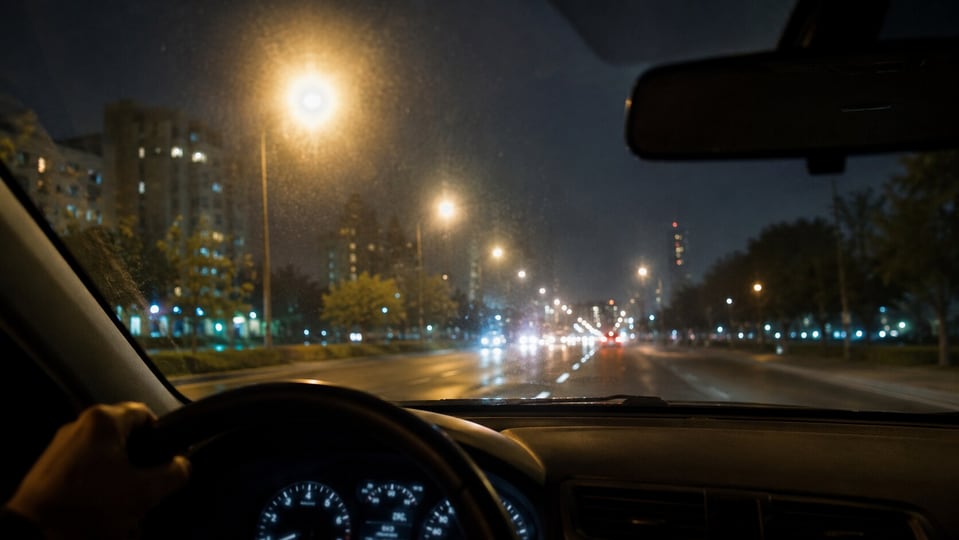
Halos around lights at night: If you see them frequently, you could be suffering from one out of four possible optical causes.
As you are driving back home, you may notice headlights surrounded by glowing rings or street lights appearing blurry. You may ignore it, thinking it to be normal, blame screen fatigue after a long day at work, or assume it may naturally subside after some rest.
But if halos around lights become frequent or persistent, you may ignore that something more than simple eye strain is at play and could point to an underlying eye condition.
Ophthalmologist Dr Aparna Darswal, senior consultant at Sharp Sight Eye Hospitals, helped decode what these halos around lights could mean and when they may require medical attention.
Why do halos happen?
Before understanding what halos may indicate about eye health, it helps to know why they appear in the first place. The effect is essentially linked to how light travels through the eye and whether it is able to focus on the retina clearly.
Clinically, the doctor walked us through the reason behind, “When light enters the eye, it passes through the cornea and lens before reaching the retina. Under ideal conditions, this process produces a sharp, clean image. Halos form when that light scatters or bends abnormally before reaching the retina. The result is a ring of diffused light appearing to surround a bright source, particularly noticeable in low-light or night-time conditions when the pupil is dilated, and more of the lens surface is in use.”
What can halos around lights mean?
Dr Darswal listed some of the eye conditions and vision problems that may cause halos:
1. Cataracts:
- Cataracts are one of the common causes of halos, especially in adults over 40.
- As the eye's natural lens gradually clouds over time, incoming light scatters rather than focusing cleanly.
- Halos, along with blurred vision and increased glare sensitivity, are early signs that cataracts may be developing, sometimes years before vision is significantly impaired.
2. Glaucoma
- Glaucoma and elevated intraocular pressure can also produce halo symptoms.
- When fluid pressure inside the eye rises, the cornea can swell slightly, disrupting the clean passage of light.
- Halos associated with glaucoma sometimes appear alongside eye pain or redness and warrant urgent clinical evaluation.
3. Dry eye syndrome
- An unstable tear film creates irregular corneal surfaces that scatter light inconsistently, producing transient halos that often fluctuate throughout the day.
- People who spend extended hours at screens, work in air-conditioned environments, or wear contact lenses are particularly susceptible.
4. Refractive errors
- Refractive errors like myopia, astigmatism, and hyperopia can all produce halo effects, especially in low-light conditions.
- Halos may occur after refractive procedures such as LASIK during the healing period, although they generally improve with time.
When to take it seriously?
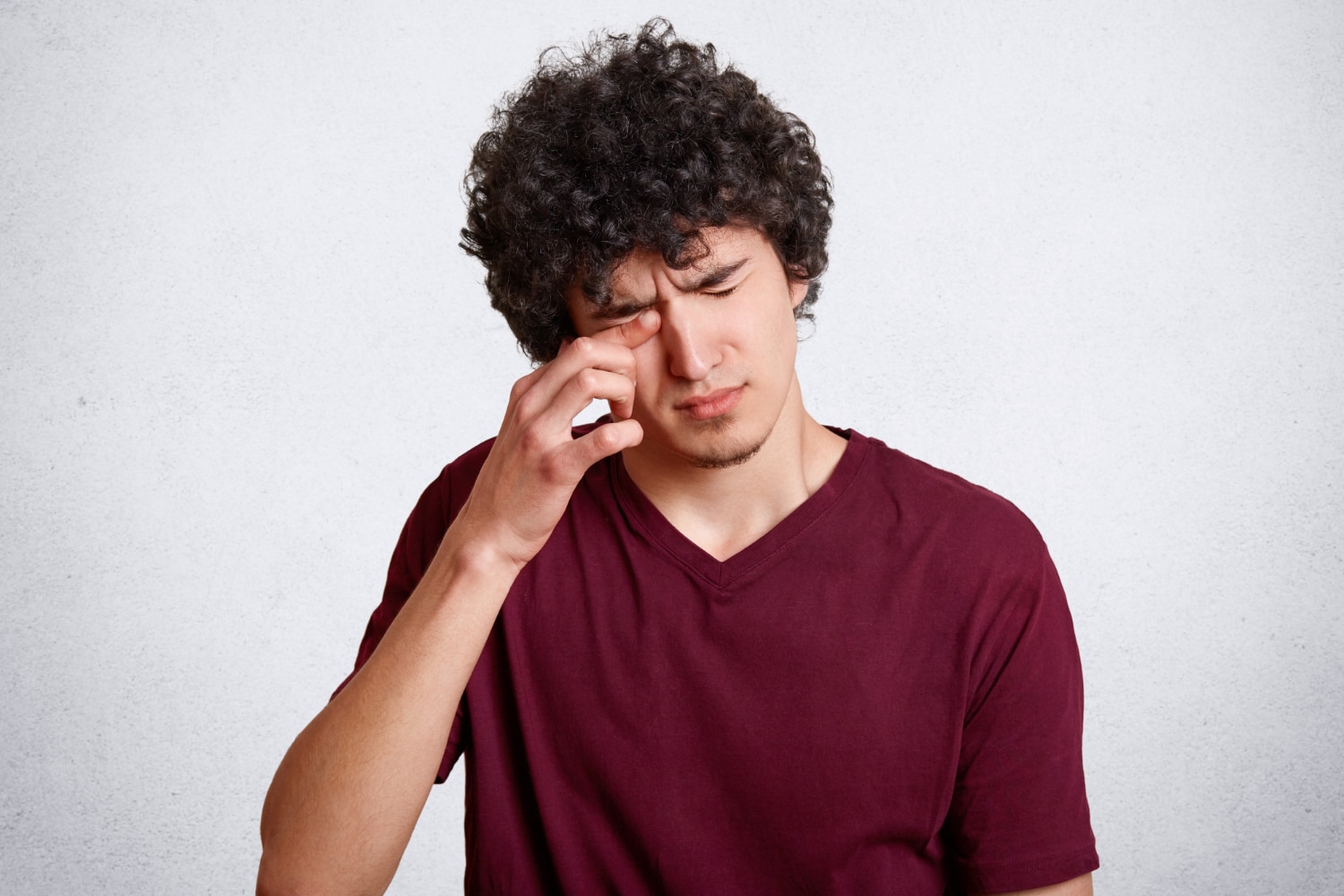
The causes, as mentioned above, can range in severity, from conditions such as cataracts to something as simple as refractive errors that may be corrected with an updated prescription. This is why it is important to know the warning signs that may mean halos are actually more serious for you and need a prompt eye examination. Here are some signs:
- Persistent halos
- Halos with pain
- Sudden halos in one eye
- Halos occurring alongside blurred vision
When you get it checked, early detection of serious conditions such as glaucoma and cataracts can seriously improve treatment outcomes.
Note to readers: This article is for informational purposes only and not a substitute for professional medical advice. Always seek the advice of your doctor with any questions about a medical condition.
Note to readers: This article is for informational purposes only and not a substitute for professional medical advice. Always seek the advice of your doctor with any questions about a medical condition.


Catch your daily dose of Fashion, Taylor Swift, Health, Festivals, Travel, Relationship, Recipe and all the other Latest Lifestyle News on Hindustan Times Website and APPs.


