
 E-Paper



Doctor shares 3 simple hacks if you are struggling to fall asleep: ‘Wear socks to bed’

 Prefer HTon Google


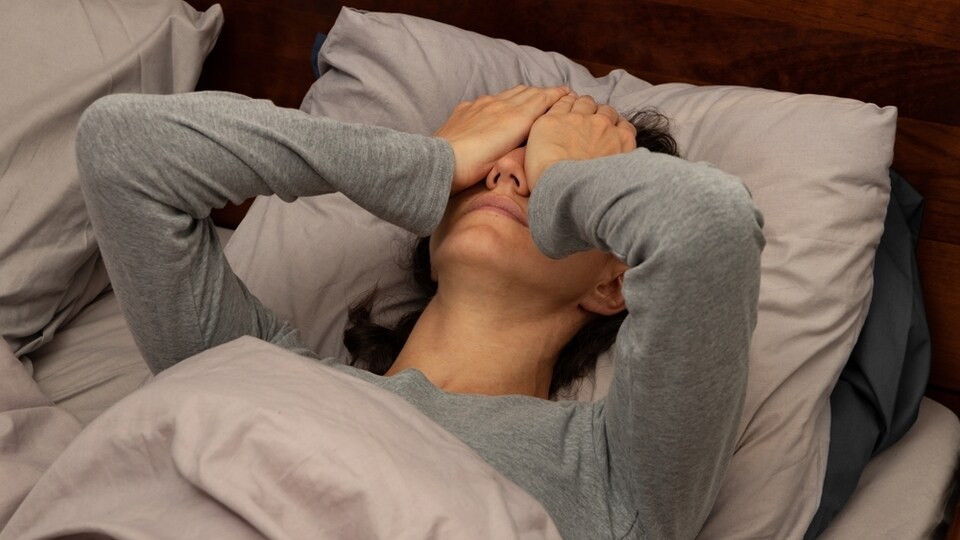
Drift off easily and sleep soundly by adopting a few simple habits that signal your brain it's time to sleep.
Are you counting sheep or tossing and turning furiously, unable to sleep at night? At nightfall, instead of feeling the comfort of unwinding after a long day, it fills you with a deep sense of foreboding, as if sleep is a battle you are bracing for, a long sleepless night. But with simple, easy habits, you may be able to sleep better.
Dr Kunal Sood, an expert in Anesthesiology and Interventional Pain Medicine who regularly shares health tips on Instagram, recently shared some easy hacks to help you sleep better.
He added, “Sleep isn’t just about how tired you feel, your body needs the right signals to shift into rest mode.”
ALSO READ: Truth about sleep: Experts reveal how much rest you actually need
So, just hitting the sack isn’t going to help; your brain needs to pick up on certain body cues to recognise that it’s time to switch off and gradually slip into sleep mode. Sometimes your brain may find it difficult to fall asleep without particular body cues, as if the lights are still on.
Dr Kunal Sood shared 3 small habits:
1. Try 4-7-8 breathing
- You inhale for 4 seconds, hold for 7, and exhale for 8. This simple rhythm slows your heart rate and helps calm the nervous system.
- Clinical studies show it can lower blood pressure, ease anxiety, and improve sleep-related quality of life, especially when practised regularly.
2. Wear socks to bed
- Warming your feet tells your body to start cooling down. That drop in core body temperature is one of the brain’s cues that it’s time to sleep.
- In one study, people wearing socks fell asleep 7.5 minutes faster, slept 32 minutes longer, and woke up less during the night.
3. Inhale lavender essential oil
- Lavender contains compounds that interact with the brain’s emotion centres and help regulate stress.
- A review of 11 clinical trials (972 people) found that lavender inhalation reduced anxiety and even lowered heart rate, blood pressure, and cortisol levels in some participants.
Note to readers: This article is for informational purposes only and not a substitute for professional medical advice. Always seek the advice of your doctor with any questions about a medical condition.


Catch your daily dose of Fashion, Taylor Swift, Health, Festivals, Travel, Relationship, Recipe and all the other Latest Lifestyle News on Hindustan Times Website and APPs.


