
 E-Paper



Florida gastroenterologist explains why gallbladder removal can result in persistent diarrhoea; shares 5 ways to manage

 Prefer HTon Google


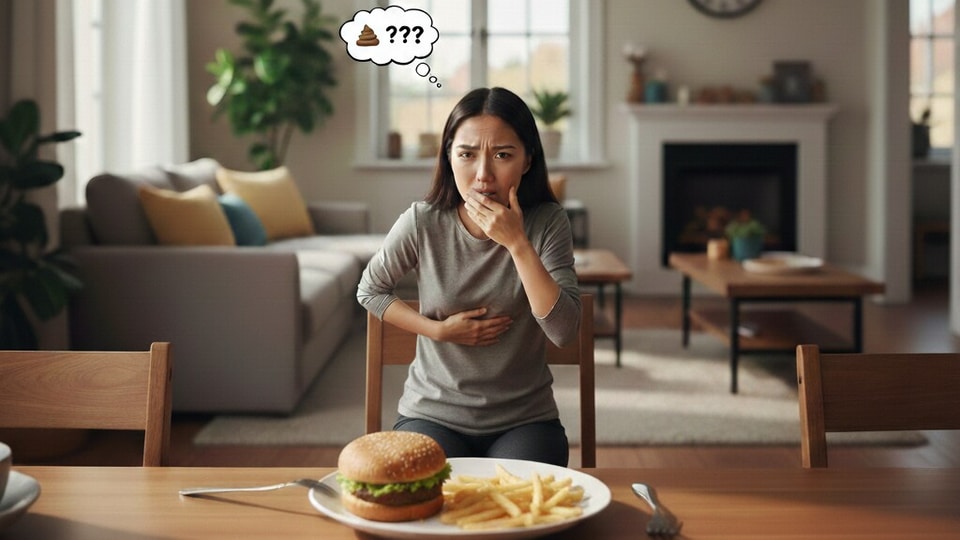
It is common to experience gastrointestinal mishaps after getting your gallbladder removed. Dr Salhab shares practical tips to manage symptoms.
Recently had your gallbladder removed and now find yourself rushing to the toilet almost every time you eat? While it can feel alarming, this reaction is actually a common biological response to the way digestion changes after surgery. The good news is that with a few simple dietary adjustments and mindful habits, it’s often possible to ease stomach discomfort and reduce frequent loose stools.
Dr Joseph Salhab, a gastroenterologist and health content creator from Florida specialising in digestion, liver, pancreas, and nutrition, is explaining why many people experience recurring bouts of diarrhoea after having their gallbladder removed. In an Instagram video shared on February 14, the gastroenterologist outlines practical, diet-focused strategies that can help reduce gastrointestinal discomfort and prevent frequent loose stools, following a cholecystectomy.
What happens when the gallbladder is removed?
According to Dr Salhab, experiencing diarrhoea after gallbladder removal is relatively common and usually not a cause for alarm. The gallbladder, located just beneath the liver, functions as a storage reservoir for bile - a digestive fluid that helps break down fats and absorb fat-soluble nutrients when you eat.
He explains, “If this happens to you and you've had your gallbladder removed before, then you're not alone. This is where your gallbladder normally sits. It's right under the liver. And it stores something called bile. Bile is made by the liver and it's stored in the gallbladder, which helps you digest things such as fat. When you eat, all that bile gets dumped into your intestines to help you break down that food.”
Dr Salhab highlights that once the gallbladder is removed, however, bile is no longer stored and released in a regulated manner. Instead, it continuously trickles into the intestines throughout the day. When you consume a meal - particularly one rich in fat - a larger amount of bile can flow directly into the intestine at once. Because bile is a strong gastrointestinal stimulant, it signals the bowels to contract and speed up movement, which can result in loose stools or diarrhoea.
The gastroenterologist points out, “What happens is when your gallbladder is removed and is not there, it doesn't act as that reservoir anymore. Bile drips slowly into your intestines throughout the day and when you eat something, it pours a whole lot more in it. Bile itself is a very potent stimulator of your gastrointestinal tract to move.”
What can you do about it?
Dr Salhab outlines several practical, easy-to-follow nutrition-based strategies that can help minimise diarrhoea after gallbladder removal, so you’re not rushing to the bathroom every time you eat.
- Try out prebiotics and probiotics: The gastroenterologist also notes that disruptions in gut bacterial balance can interfere with digestion and bile metabolism, potentially intensifying symptoms and making post-meal diarrhoea more frequent or severe. He recommends, “If you can fortify your diet with prebiotics and also some probiotics, that can help get things back to normal over time.”
- Low-fat diet: Dr Salhab explains that dietary fat is one of the strongest triggers for bile release, signalling the body to send more bile into the intestine. As a result, adopting a low-fat diet may help reduce symptoms and improve digestive comfort in some individuals.
- Psyllium husk: Psyllium husk is a rich source of soluble dietary fibre that can help regulate bowel movements - easing constipation while also firming up loose stools. Dr Salhab recommends taking a few grams of psyllium husk with each meal to help promote more stable digestion.
- Limit alcohol and coffee intake: Coffee acts as a powerful gastrointestinal stimulant, accelerating bowel movements, while alcohol can irritate the gut lining and disrupt digestion. Reducing or limiting both may help calm the digestive tract and minimise post-meal discomfort.
- Bile acid sequestrant: The gastroenterologist notes that some doctors may prescribe a medication known as a bile acid sequestrant, which works by altering the structure of the digestive fluid. He explains, “What this does is, this binds to the bile, changes its structure a little bit, so it's just not as irritating to the lining of the colon. Doesn't stimulate you to have that bowel movement urgency right away.”
Note to readers: This article is for informational purposes only and not a substitute for professional medical advice. It is based on user-generated content from social media. HT.com has not independently verified the claims and does not endorse them.


Catch your daily dose of Fashion, Taylor Swift, Health, Festivals, Travel, Relationship, Recipe and all the other Latest Lifestyle News on Hindustan Times Website and APPs.


