
 E-Paper



Is ozempic forever? UK surgeon explains how GLP-1 drugs work, and whether you need to take them indefinitely

 Prefer HTon Google


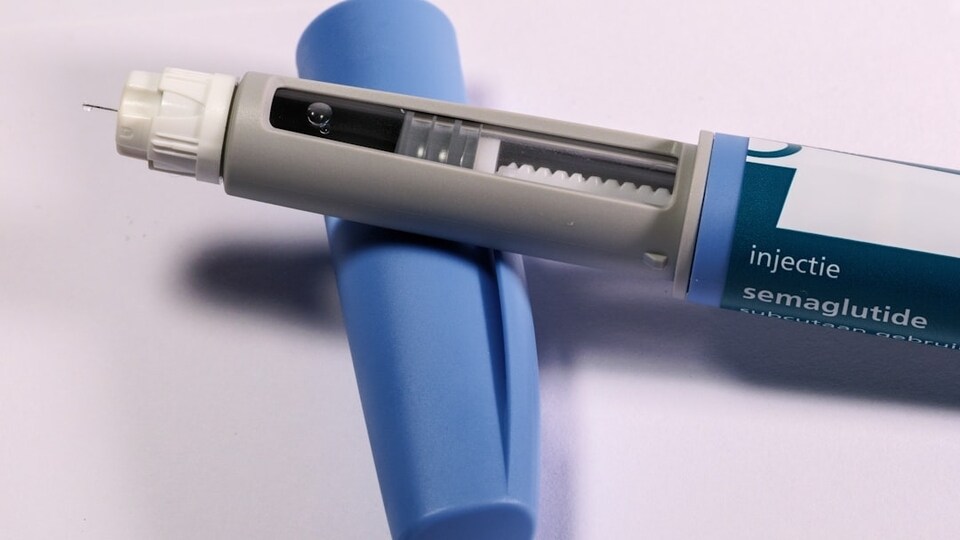
If you are considering GLP-1 drugs for weight loss, it might be a more serious commitment than you expected. Dr Rajan explains how they work.
Weight-loss drugs, especially GLP-1 medications, have surged in popularity as more people turn to them in the hope of achieving quick, dramatic results. But while social media often portrays them as a shortcut to becoming slimmer, doctors typically reserve these medications for those with chronic conditions such as obesity - not for casual or cosmetic use. This raises an important question many users now have: once you start GLP-1s, do you need to stay on them forever, or can you eventually stop?
Also Read | Is there such a thing as natural ozempic? Doctor explains why no food can mimic what a weight loss drug does
Dr Karan Rajan, a UK-based surgeon and popular health content creator, breaks down what long-term use really looks like and why the answer depends heavily on the root cause of your weight gain. In an Instagram video shared on November 14, the surgeon breaks down how weight loss drugs affect different people and explains how the need for long-term use varies depending on the underlying cause of weight gain.
Do you need to take GLP-1s indefinitely?
According to Dr Rajan, GLP-1 drugs do not directly fix weight gain but alter how the gut sends hunger and satiety signals to the brain. He explains, “They change the conditions inside your brain and gut that make healthier choices and habits easier to stick to.”
The surgeon notes that whether you need to take them long-term depends largely on how the weight was gained in the first place.
Short-term weight gain
Dr Rajan explains that if the weight gain was short-term or situational, you can eventually taper off the medication and maintain your goal weight without ongoing medical support. He states, “If your weight gain was short-term and situational because of stress, pregnancy, life chaos, or menopause, then you might only need short-term support while you rebuild habits.”
Long-term or chronic weight gain
However, the surgeon points out that if your weight gain is tied to chronic conditions such as obesity, the situation becomes more complex, and you may need to continue the medication in the long term. He explains, “If your weight gain is long-term and linked to obesity, that's a chronic biological condition, not a willpower problem. It involves appetite, hormone dysregulation, gut-brain signaling issues, microbiome shifts, genetics, and stress pathways. With any chronic condition, thyroid problems, high cholesterol, high blood pressure, when the intervention stops, the benefits fade. And not because you failed, but because biology resumes its baseline.”
Hence, some people need to stay on GLP-1 drugs indefinitely, while others can taper off gradually.
How to maintain weight after tapering off?
Dr Rajan stresses that GLP-1 drugs are not a quick fix; they help you regulate habits and make healthier choices - which is why maintaining those habits is essential once you stop the medication. He explains, “If you do come off, the safety net isn't the drug, but your habit. Keeping high fibre, high protein, lifting heavy, and sleep are non-negotiables. Stopping the GLP-1s doesn't cause the weight regain, it's stopping the habit, because unfortunately, health isn't a six week challenge, it's a lifetime subscription.”
Note to readers: This article is for informational purposes only and not a substitute for professional medical advice. It is based on user-generated content from social media. HT.com has not independently verified the claims and does not endorse them.


Catch your daily dose of Fashion, Taylor Swift, Health, Festivals, Travel, Relationship, Recipe and all the other Latest Lifestyle News on Hindustan Times Website and APPs.


