
 E-Paper



Mental health expert explains how excessive self-help content on social media can harm your emotional wellbeing

 Prefer HTon Google


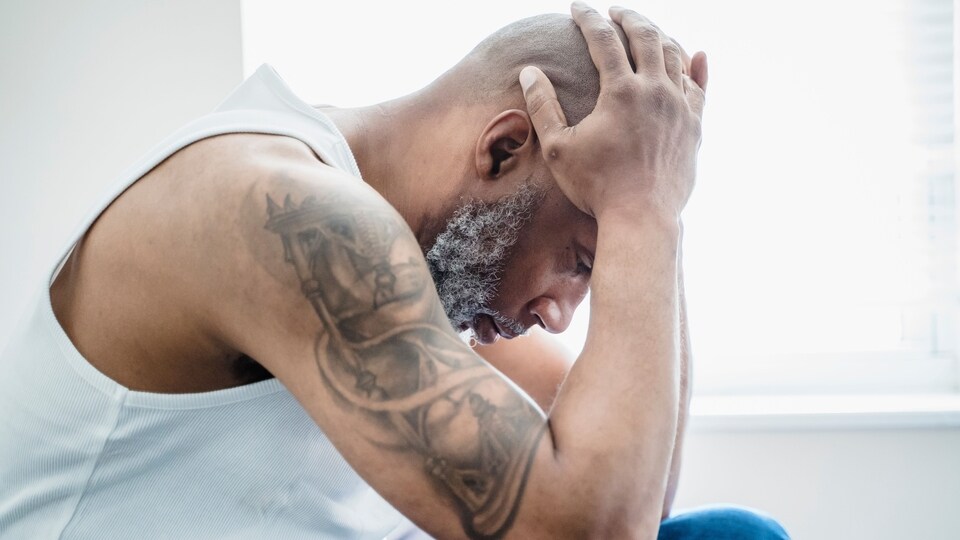
A significant portion of social media is flooded with self-help content that promises support and healing, but there is also a darker side to it.
Over the past few years, social media and now AI have quietly become people’s first therapist. Before they speak to a professional, they’ve already consumed hundreds of reels, quotes, carousels, podcasts or spoken to GPT telling them how they should think, feel, heal, forgive, detach, glow up and move on. On the surface, this looks like progress because we at least feel mental health is finally being talked about openly. But inside therapy rooms, we’re seeing the other side of this shift. The side no one posts about. In an interview with HT Lifestyle, Arouba Kabir, an emotional and mental health expert and founder of Enso Wellness, shared the other side of this self-help content.
Portrays that healing is easy
Arouba said, “Self-help content often sells the idea that healing is simple and accessible to everyone.” And in one way, that message is beautiful, but in another way, it can be quietly damaging because trauma is not a morning routine, and anxiety is not a mindset shift, and depression is not cured by journaling for 10 minutes a day. “Healing is slow, messy, deeply personal work. Sometimes it takes months just to understand why you feel the way you feel, but social media rarely shows that part. It shows the after photo,” added Arouba.

Constant comparison
Another pattern you can see constantly is comparison. People don’t just compare careers or bodies anymore. They compare healing journeys. Arouba said, “I once worked with a young man who told me he felt anxious watching mental health influencers talk about their growth. Everyone online seems so self-aware and emotionally evolved. I feel like I’m behind in life. Imagine feeling insecure about your own therapy journey. That’s the quiet pressure social media has created.”

What is self help turned into?
And then there’s the part we don’t talk about enough is the business of self-help. According to Arouba, “the self-improvement industry online is now worth billions. Courses, workshops, memberships, masterclasses, all promising transformation. Some of these spaces genuinely help people.” But some of them are selling hope in a way that feels uncomfortably close to selling solutions.
“I say this as someone who also creates mental health content online. I believe social media can start conversations. It can reduce stigma. It can help people feel less alone. But it cannot replace professional support,” Arouba told HT Lifestyle.
And it cannot capture the full complexity of the human mind. A reel can start awareness, but it cannot hold your story. For healing, the pain has to be witnessed and validated. For that, we still need real conversations, real listening, and real support. And maybe it’s time we started saying that more often.
Note to readers: This article is for informational purposes only and not a substitute for professional medical advice. Always seek the advice of your doctor with any questions about a medical condition.


Catch your daily dose of Fashion, Taylor Swift, Health, Festivals, Travel, Relationship, Recipe and all the other Latest Lifestyle News on Hindustan Times Website and APPs.


