
 E-Paper



Neurologist shares 3 precautionary measures to keep in mind during winter: ‘Heaters can lead to…’

 Prefer HTon Google


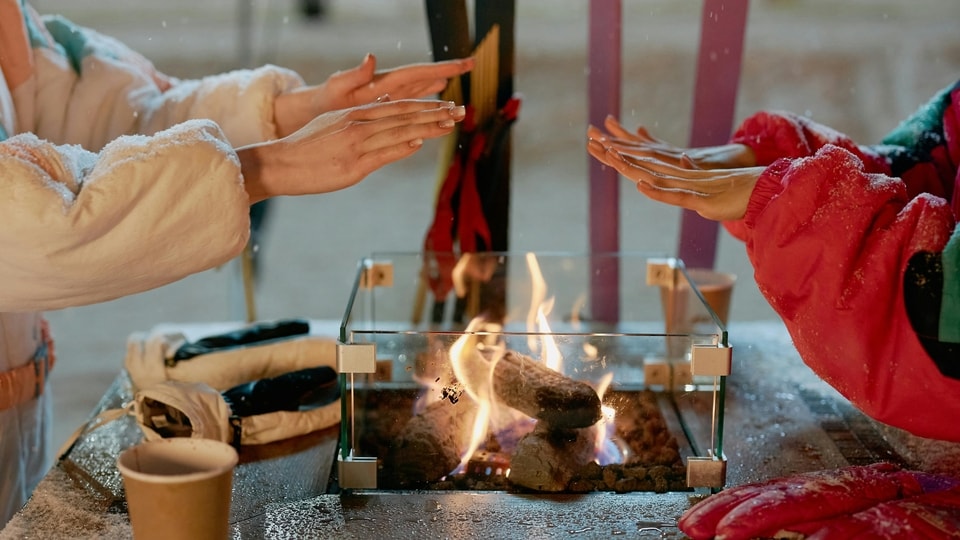
Winter is coming, which brings seasonal risks. Dr Bing shares 3 smart habits that can help safeguard your physical and mental wellbeing in the colder months.
As winter sets in and the temperatures begin to drop, it’s important to be mindful of certain habits and precautions that can help prevent seasonal mishaps and protect both your physical and mental wellbeing. From safely using heating devices to staying aware of how reduced daylight affects your mood, a few simple steps can make the colder months far safer and healthier.
Dr Bing, a neurologist, biostatistician, brain-health advocate, and health content creator, has outlined three cautionary measures to keep in mind as winter approaches.
In an Instagram video posted on November 15, the neurologist explains why winter essentials such as space heaters should be used with caution, and he also highlights why warming up is crucial before any physical activity during the colder months.
1. Use space heaters with caution
According to Dr Bing, space heaters are a major cause of winter fires, particularly in poorly ventilated areas. He also warns that unvented heaters can lead to carbon monoxide buildup, depriving the brain of essential oxygen.
He explains, “I see carbon dioxide poisoning every year, and even mild exposure can cause headaches, confusion, or memory issues. And severe exposure can lead to brain injury or even death.”
2. Less light can affect mood
The neurologist notes that shorter daylight hours in winter can lower serotonin and melatonin levels, potentially affecting mood, focus, and sleep, and even contributing to seasonal affective disorder - all of which are biologically driven.
He recommends, “There are things that you can do to counter this, such as using a light box for 20 to 30 minutes in the morning or exercising regularly and getting outside during daylight hours. All of which help reset your brain's internal clock.”
3. Warm up before activities
Dr Bing emphasises the importance of stretching and warming up before any winter activity. He explains, “The cold weather tricks your brain into thinking that you're not working as hard as you are because you're not feeling as hot or you're not sweating as much.”
“But this is dangerous because something as simple as shovelling the snow is more intense than people realise. And I've seen people have heart attacks and strokes because of that. So, always remember to stretch and warm up for at least five to 10 minutes and take a break every 15 to 20 minutes,” he recommends.
Note to readers: This article is for informational purposes only and not a substitute for professional medical advice. It is based on user-generated content from social media. HT.com has not independently verified the claims and does not endorse them.


Catch your daily dose of Fashion, Taylor Swift, Health, Festivals, Travel, Relationship, Recipe and all the other Latest Lifestyle News on Hindustan Times Website and APPs.


