
 E-Paper



Nutritionist reveals what happens when you eliminate carbs from your diet during weight loss

 Prefer HTon Google


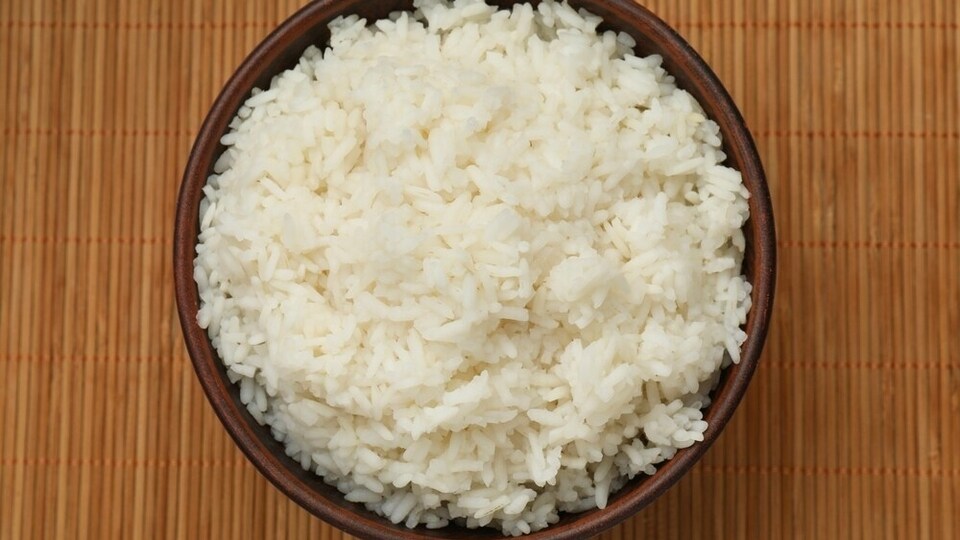
For weight loss, carbohydrates are often removed from the plate, like rice, but this can have repercussions on health over time.
Diet is one of the fundamentals of weight loss, making people cautiously watch what they eat. But often, many end up drastically cutting out entire food groups, like carbohydrates. In fact, carbs are often the first ones to be eliminated from the plate, with most of the priority going to protein. But much like protein, carb is also a macronutrient which is essential for health, mostly because carbohydrates form the body's main source of energy. A blanket ban may result in unintended health consequences.
ALSO READ: Fitness coach shares why carbs are important for women to reduce belly fat, suggests 20 meal ideas
Pooja Udeshi, consultant, sports nutritionist, Kokilaben Dhirubhai Amabni Hospital, Mumbai, shared in an interview with HT Lifestyle how the popular quick-fix weight loss diets involve removing carbs. As carbs are often associated with weight gain or blood sugar spikes, they are removed. Pooja revealed how some short-term results may show, but there may be serious long-term consequences.
She said, “Low-carb diets have exploded in popularity, thanks to their quick-fix weight loss appeal and promises of better blood sugar control. While cutting carbs may offer short-term benefits in certain health conditions, going low-carb for too long can come with serious downsides. Carbohydrates are not inherently bad; the problem lies in the type and amount consumed.”
Pooja listed out 5 negative impacts of eliminating carbohydrates from the diet:
1. Brain fog and low energy

- Carbs are the body’s primary energy source, especially for the brain. When deprived of glucose, many people experience mental fatigue, poor concentration, irritability, and sluggishness.
- While the body can eventually adapt to using ketones (from fat), this transition isn’t smooth for everyone and may not be sustainable long-term.
2. Digestive distress

- Whole grains, legumes, fruits, and vegetables, all rich in complex carbs, are vital for gut health.
- They provide fibre that feeds good bacteria, promotes bowel regularity, and reduces inflammation. Long-term carb restriction often leads to constipation and a weakened gut microbiome due to fibre deficiency.
3. Nutritional deficiencies

- Cutting out carb-rich foods can deprive your body of essential nutrients like B vitamins, magnesium, iron, and antioxidants.
- This is especially risky for women, older adults, and those with underlying health conditions. A long-term deficit can impact everything from immunity to hormonal balance.
4. Rebound weight gain

- Very low-carb diets may initially result in rapid weight loss, much of it from water and glycogen.
- But extreme restriction can lead to cravings, overeating, and a slowed metabolism over time. This increases the likelihood of regaining lost weight once carbs are reintroduced.
5. Impact on heart and mood

- Eliminating healthy carbs like fruits and whole grains may increase intake of saturated fats or protein-heavy foods, potentially elevating cholesterol levels.
- Low serotonin levels influenced by reduced carb intake can trigger mood swings or even symptoms of depression in some individuals.
Instead of completely cutting out the carbohydrate food group, Pooja recommended opting for a balanced approach, one that involves portion control, switching to healthier carbs and more.
She said, “Rather than vilifying carbs, aim for balanced consumption. Prioritise complex carbs like quinoa, oats, brown rice, and vegetables. Or combine them with healthy fats and lean proteins to stabilise blood sugar. Adjust portion sizes based on your age, activity level, and medical needs. Low-carb diets have a place in medical nutrition therapy, especially in managing obesity, diabetes, or epilepsy, but they must be personalised and time-bound. The goal isn’t to eliminate carbs, but to choose quality over quantity. Because when it comes to nutrition, sustainability matters more than shortcuts.”
Note to readers: This article is for informational purposes only and not a substitute for professional medical advice. Always seek the advice of your doctor with any questions about a medical condition.


Catch your daily dose of Fashion, Taylor Swift, Health, Festivals, Travel, Relationship, Recipe and all the other Latest Lifestyle News on Hindustan Times Website and APPs.


