
 E-Paper



Oncologist explains hidden dangers of over the counter nutraceuticals: Know their link to cancer before it is too late

 Prefer HTon Google


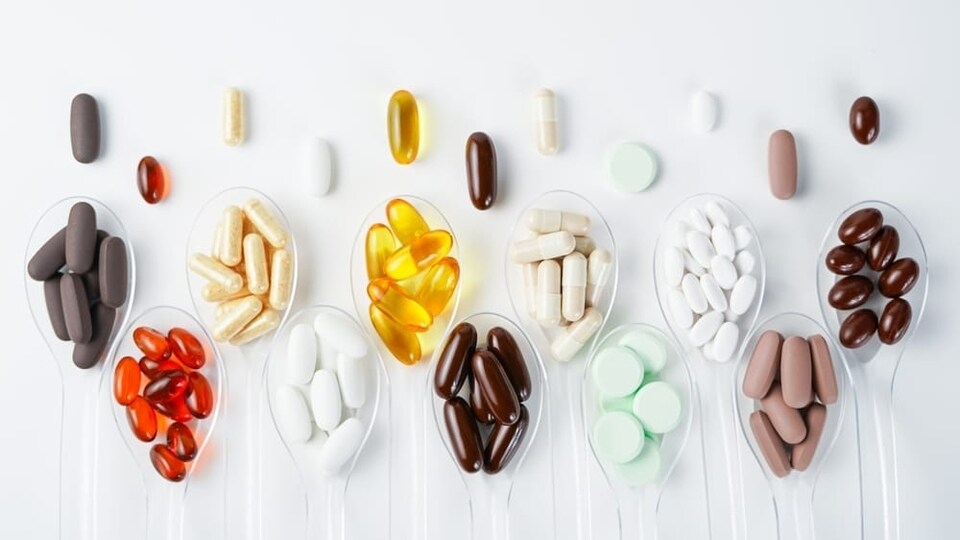
It's essential to approach supplements with caution and consult with a healthcare professional before adding them to your routine. Here's why.
When it comes to over-the-counter nutraceuticals, it's essential to be aware of the potential risks associated with certain supplements. Some supplements can interact with medications, decrease treatment effectiveness or even increase cancer risk. Also read | Gastroenterologists reveal truth about protein supplements: Are whey protein powders safe for your liver and kidney?
Can supplements increase your cancer risk?
In an interview with HT Lifestyle, Dr Sidharth Jain, consultant, surgical oncology, HCG Cancer Centre, Indore, explained how over-the-counter nutraceuticals might carry hidden risks including a potential increase in cancer risk.
He said, “In the age of self-optimisation, the over-the-counter nutraceuticals such as vitamins, herbal supplements, and natural boosters have become a flourishing business. Sold as safe, health-boosting products, a lot of consumers feel that these supplements are not harmful for them. However, these products might carry hidden risks, including a potential increase in cancer risk.”
Lack of regulation can make it challenging
Dr Jain shared that nutraceuticals are not well-regulated as compared to pharmaceuticals. “They do not have to go through the strict testing that medicines go through in many countries. Such an unregulated nature may result in large disparities in dosage, purity, and ingredient disclosure. Heavy metals, endocrine disruptors, or even unreported synthetic compounds may contaminate some supplements and any of them may affect cell behaviour in a manner that favours carcinogenesis,” he said.
Supplements may have unintended consequences
New research has been a cause of concern, the doctor further said. For example, high dose antioxidant supplementation, which had been considered protective, has had paradoxical effects, Dr said. “Beta-carotene and vitamin E supplements have been associated with elevated lung and prostate cancers in some populations. In the meantime, uncontrolled testosterone supplements and hormone-altering supplements can stimulate hormone-sensitive cancer,” he said.
Dangers of long-term, unsupervised use
According to Dr Jain, long-term, unsupervised use of over-the-counter nutraceuticals makes the issue even worse. “Many individuals consume multiple supplements simultaneously, a practice known as supplement stacking. The interactions of this practice remain poorly understood, even by clinicians. Supplement stacking can potentially change metabolism, immune responses, and cell signalling pathways, which are possible entry points into chronic inflammation and cancer development,” he said.
The illusion of safety
The delayed onset of negative effects can make it challenging to identify potential risks of over-the-counter nutraceuticals. Dr Jain went on to explain that the most insidious aspect of these risks is that they are subtle: “Nutraceuticals do not have immediate negative effects, which makes users feel safe. However, with time, the accumulation of exposure, especially to poorly studied compounds, can set the stage for malignancy.”
How to minimise potential risks?
How can we move towards safer supplement use, then? According to Dr Jain, the answer is not to demonise over-the-counter nutraceuticals completely. “Some might have well-established advantages when used properly. Nevertheless, public health must be safeguarded by increased regulation, stronger research, and better labelling standards. Until then, the burden remains on consumers and healthcare providers to scrutinise what's in that 'all-natural' capsule. Because when it comes to cancer risk, what you don’t know can hurt you slowly, silently, and over the long term,” he concluded.
Note to readers: This article is for informational purposes only and not a substitute for professional medical advice. Always seek the advice of your doctor with any questions about a medical condition.


Catch your daily dose of Fashion, Taylor Swift, Health, Festivals, Travel, Relationship, Recipe and all the other Latest Lifestyle News on Hindustan Times Website and APPs.


