
 E-Paper



Pulmonologist warns that inhaling incense smoke can be as toxic as smoking

 Prefer HTon Google


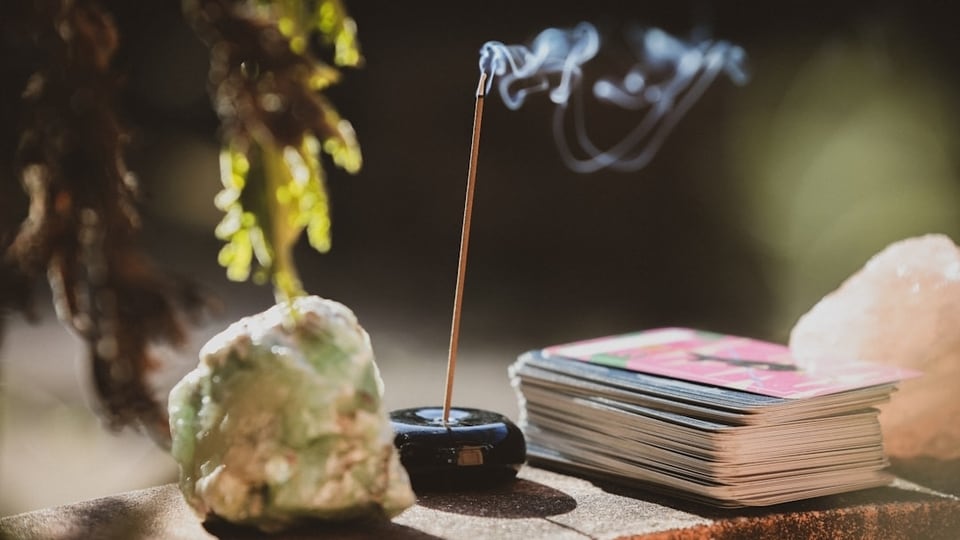
Agarbattis are a staple for pujas, but did you know about the risks linked with inhaling incense smoke? Dr Goel warns that it is more harmful than you think.
Incense sticks, or agarbattis, are a staple in Indian households - no puja or festival feels complete without their fragrance filling the air. With Navratri season here, it’s common to see homes lit up with diyas and infused with the scent of agarbattis in every corner as families perform rituals to honour the Goddess. But what’s less known is that the very smoke considered so sacred in spiritual practices may be silently harming our health.
Dr. Sonia Goel, a pulmonologist specialising in asthma, tuberculosis, sleep apnea, and COPD, is starting a conversation around the harmful effects of inhaling agarbatti smoke every day. In an Instagram video posted on August 3, the lung specialist outlines the various risks associated with incense smoke, recommending ways to reduce health risks and suggesting cleaner alternatives.
Indoor air pollution
According to Dr Goel, “Agarbattis release fine particulate matter (PM2.5), carbon monoxide, and volatile organic compounds (VOCs) all of which pollute the air inside your home.”
Equivalent to passive smoking
The lung specialist warns that the smoke from agarbattis can be as harmful as cigarette smoke. She highlights studies showing that the particulate matter produced from burning one incense stick is comparable to that from smoking one cigarette.
Harmful for children and elders
Children and elders at home are more vulnerable to smoke from agarbattis. The pulmonologist highlights, “Children, elderly family members, and people with asthma or weak lungs are most vulnerable. Even occasional exposure can trigger breathing issues, allergies, or chronic cough.”
Long-term risk
Dr Goel states that daily exposure to incense smoke increases the risk of long-term lung complications, especially when lit in closed, unventilated spaces. She mentions, “Prolonged exposure may increase the risk of bronchitis, asthma, COPD, or even lung cancer over years.”
Also Read | Lung cancer red flags: Pulmonologist shares 7 key symptoms to watch out for
How to reduce harmful effects?
If you enjoy lighting agarbattis, don’t worry - this doesn’t mean you have to give them up altogether. Dr. Goel suggests simple tweaks to your setup and cleaner ways to continue the practice safely.
She advises limiting incense use and ensuring good airflow - always with a fan running and windows open - to help reduce the risks, highlighting that good ventilation is the key. She also suggests switching to cleaner alternatives - “You can switch to essential oil diffusers, electric diyas, or just natural sunlight for spiritual rituals - they carry meaning without harming your lungs.”
She stresses that it is important to make sure your room has cross ventilation, when dealing with agarbattis, and recommends not to ignore symptoms like persistent cough or wheezing.
Note to readers: This article is for informational purposes only and not a substitute for professional medical advice. It is based on user-generated content from social media. HT.com has not independently verified the claims and does not endorse them.


Catch your daily dose of Fashion, Taylor Swift, Health, Festivals, Travel, Relationship, Recipe and all the other Latest Lifestyle News on Hindustan Times Website and APPs.


