
 E-Paper



Should women in their 40s avoid high-intensity training? Chennai fitness trainer with 18 years of experience explains

 Prefer HTon Google


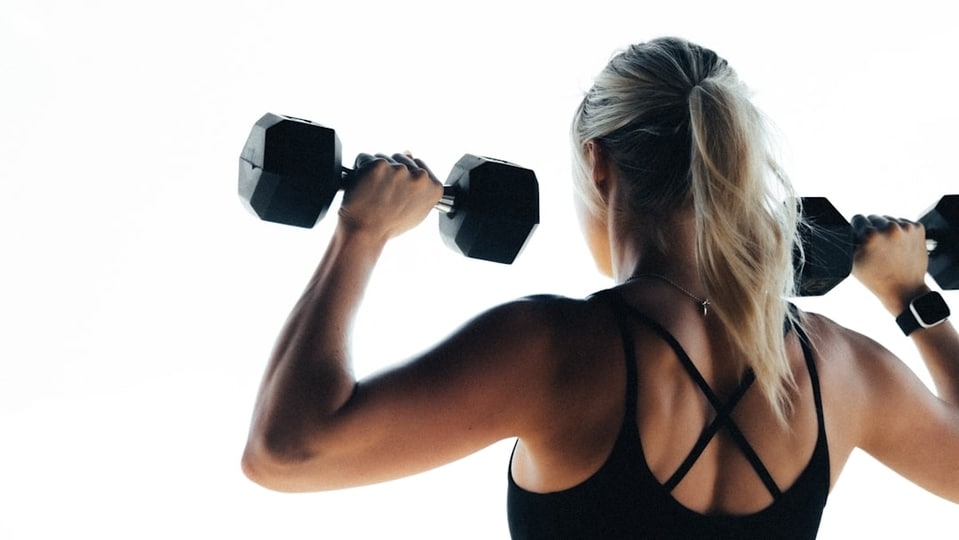
Women in their 40s are often advised to avoid high-intensity training in order to preserve hormonal balance and prevent stress. Raj explains the nuances.
For women in their 40s, regular exercise becomes increasingly important for preserving muscle strength, supporting metabolism, maintaining bone health, and improving overall wellbeing. However, there is growing debate around how intense these workouts should be. Many believe women in this age group should avoid high-intensity training altogether, arguing that it can spike cortisol levels, increase stress on the body, and worsen hormonal imbalances. But does that advice apply to every woman equally? According to fitness experts, the answer may depend far more on your lifestyle, stress levels, recovery, and overall health than on age alone.
Chennai-based fitness trainer with 18 years of experience, Raj Ganpath – founder of the Slow Burn Method, co-founder and head coach at Quad Fitness, and author of Simple, Not Easy – is weighing in on the much-debated question: should women in their 40s engage in high-intensity training? In an Instagram video shared on May 18, the fitness coach highlights, “Women over the age of 40 should not do high-intensity training. It will spike your cortisol, cause adrenal fatigue and hormonal dysregulation, and completely ruin your health and fitness, and you will not be able to lose any weight. Is this true? Well, not really and definitely not for everyone. So, let's understand it.”
A hectic, barely manageable lifestyle
According to Raj, high-intensity training may not be the best choice for women whose lifestyles are already hectic and physically draining. He explains that if you are not getting adequate sleep, frequently dealing with body aches and pains, experiencing perimenopausal symptoms, or struggling with metabolic dysfunction, adding intense workouts may place even more stress on the body. Instead, he recommends prioritising gentler forms of movement such as walking, low-intensity cardio, and light strength training.
The fitness trainer highlights, “If you're a woman whose lifestyle is all over the place, you're not sleeping well, you're highly stressed, you have some aches, pains, and niggles, maybe you have perimenopausal symptoms, maybe you have metabolic dysfunction – if that's you, then high-intensity training is not for you. Not at this point; this is not the time to push your body when it's already struggling. Now is the time to focus on gentle cardio, zone 2 cardio, walking, and strength training.”
A stable lifestyle
According to the fitness coach, high-intensity training can be a beneficial part of your fitness routine if your overall lifestyle is relatively balanced and well-managed. He explains that if you are getting adequate sleep, managing stress effectively, exercising consistently, and are not dealing with persistent body pain or fatigue, then incorporating high-intensity workouts may help you become leaner, stronger, and overall healthier.
Raj emphasises, “If you're a woman whose lifestyle is well under control, you're sleeping well, you're managing stress beautifully, you're training regularly, you don't have any aches, pains, or niggles, then high-intensity training is most definitely for you. You will get leaner, stronger, fitter, and healthier.”
Somewhere in between the two
Most people likely fall somewhere in between these two extremes. Some days may feel overwhelmingly hectic and stressful, while others are calmer and easier to manage. In such situations, he suggests listening to your body and assessing how you feel on a given day before deciding whether high-intensity training is the right choice or if a gentler workout would serve you better.
Raj explains, “It all comes down to lifestyle. How well did you sleep the previous night? How refreshed do you feel this morning? How stressed are you currently? How emotionally stable are you? These are the questions you need to ask yourself. On a day when you feel good, you can push yourself. On a day when you don't feel good, you need to be gentle with yourself. You need to focus more on simple activities like walking, stretching, mobility, light strength training. So at the end of the day, remember no blanket recommendation applies to every woman. It all comes down to how you feel and how you are managing your lifestyle.”
Note to readers: This article is for informational purposes only and not a substitute for professional medical advice. It is based on user-generated content from social media. HT.com has not independently verified the claims and does not endorse them.


Catch your daily dose of Fashion, Taylor Swift, Health, Festivals, Travel, Relationship, Recipe and all the other Latest Lifestyle News on Hindustan Times Website and APPs.


