
 E-Paper



Still using plastic containers for leftovers? Gastroenterologist shares 6 health purchases that are ‘worth every penny’

 Prefer HTon Google


From healthier ways to store food to staying hydrated throughout the day and adding more fibre, Dr Salhab shares his list of purchases that are worth the money.
Still storing your leftovers in plastic takeaway containers? Or buying fresh fruit only to watch it spoil before you get around to eating it? Every once in a while, you come across a simple purchase that seems insignificant at first, but once you start using it, you wonder how you ever managed without it. From healthier food storage to easier ways of staying hydrated and getting enough fibre, certain everyday purchases can make it easier to build healthier habits.
Dr Joseph Salhab, a Florida-based gastroenterologist and health content creator who specialises in digestive, liver, pancreatic, and nutritional health, has shared six health-focused purchases that are worth every penny and can make everyday life a whole lot easier.
In an Instagram video shared on August 22, the gastroenterologist highlights, “These are some of the simple things I actually think are worth spending money on. None of these needs to be expensive. They’re just simple things that can make healthy eating, hydration, digestion, bowel movements, constipation prevention, meal prep, and taking care of your gut a little easier.”
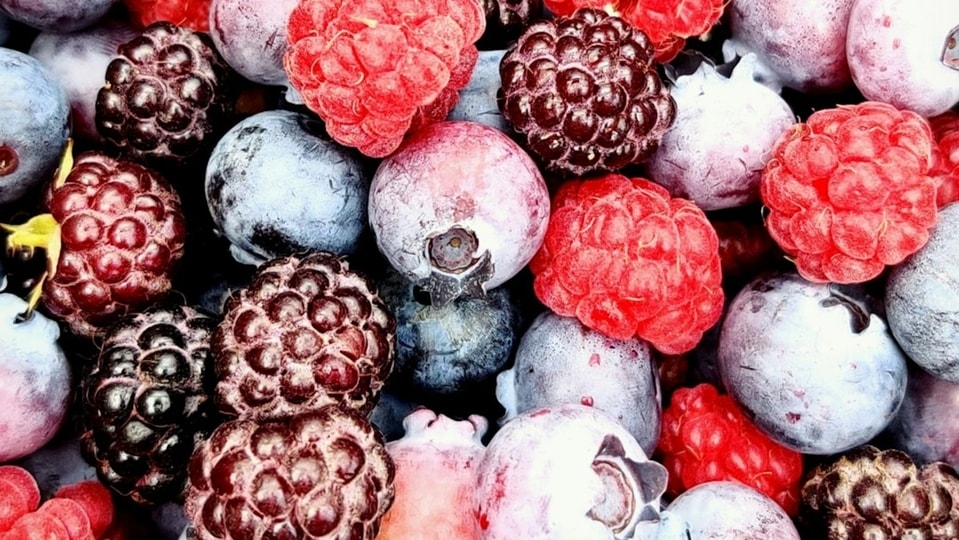
1. Frozen fruit
Many people may hesitate to buy frozen fruit, preferring fresh produce instead, because they assume frozen fruit has been sitting on supermarket shelves for weeks. However, this is a common misconception. Frozen fruit is cheaper and can have a longer shelf life while retaining its nutritional value.
Dr Salhab explains, “Convenient, lasts longer, and makes it much easier to get more berries, mango, dragon fruit, and other fibre-rich fruits into smoothies, yoghurt bowls, and meals without constantly throwing spoiled fruit away.”
2. Smoothie blender
If you own a good smoothie blender, healthy eating can become a whole lot smoother. Simply throw in your favourite healthy ingredients, give them a quick whizz and you have a nutritious drink ready to go, making it a convenient, time-saving and cost-effective way to add more nutrient-rich foods to your diet.
Dr Salhab highlights, “A decent smoothie blender. You don’t need anything fancy. A blender makes it ridiculously easy to combine fruit, kefir, yoghurt, chia, flax, oats, and other high-fibre foods into something you’ll actually consume.”
3. Home water filter
Owning a water filter can make staying hydrated easier while reducing your reliance on plastic water bottles. It can help you save money, cut down on plastic waste and reduce potential exposure to microplastics, while ensuring you have clean drinking water readily available throughout the day.
The gastroenterologist suggests, “A home water filter is an easy way to drink more water without constantly buying plastic water bottles. Hydration matters for digestion, constipation, and especially when you’re increasing your fibre intake.”
4. Fibre staples
Fibre is an essential part of a balanced diet, yet many people struggle to meet even half of their daily requirements. To help bridge that gap, Dr Salhab recommends keeping a fibre supplement handy, since they can be easily incorporated into meals when needed.
The gastroenterologist highlights, “Psyllium husk, chia seeds, ground flax, and hemp seeds are easy ways to add fibre to yoghurt, oatmeal, smoothies, baked goods, and meals.”
5. Bathroom footstool and bidet
Did you know that if you use a commode to poop, you might be doing it wrong? Your body is naturally designed to pass stool in more of a squatting position, so raising your feet on a bathroom stool can help you get into a more natural posture and make bowel movements smoother. Moreover, if frequent wiping leaves you with irritation, a bidet can be a game-change.
Dr Salhab points out, “A bathroom footstool. Raising your feet changes your toileting position and can make it easier to have a bowel movement with less straining. If you poop frequently, have haemorrhoids, or get irritation from constantly wiping, this (a bidet) can be a game changer.”
6. Glass storage containers
Still storing your leftovers in those plastic takeaway boxes? You might want to rethink that habit. Reheating food in some plastic containers can increase the potential for chemicals and microplastics to leach into your food, which is why Dr Salhab recommends opting for glass containers instead.
He emphasises, “Glass food-storage containers are especially useful if you regularly reheat leftovers. I prefer reheating food in glass rather than plastic.”
Note to readers: This article is for informational purposes only and not a substitute for professional medical advice. It is based on user-generated content from social media. HT.com has not independently verified the claims and does not endorse them.
Dr Joseph Salhab is a gastroenterologist providing services in central Florida. He received his medical degree from Lake Erie College of Osteopathic Medicine, Bradenton Campus, and has been in practice for over a decade. He has expertise in treating gastroenteritis and upper GI endoscopy, among other conditions.


Catch your daily dose of Fashion, Taylor Swift, Health, Festivals, Travel, Relationship, Recipe and all the other Latest Lifestyle News on Hindustan Times Website and APPs.


