
 E-Paper





Debapriya Bhattacharya is a Content Producer at Hindustan Times. He started his career in 2022, working in newsrooms in beats like education, US news, trending stories, and entertainment. In his new role in the lifestyle desk, he seeks to deliver a balanced blend of research-driven reporting and creative storytelling from health and recipes to art and culture. Science, philosophy, food and pop culture are what pump his veins and help bring heart to his stories. Debapriya tries to see out subjects that will allow him and readers to explore new frontiers and improve the quality of life for all. The explorations can be both external and internal, as thoughts seek to be as chaotic as the greater universe. As a citizen of the world, Debapriya has been fascinated by the lives of people across the globe throughout time. His curiosity leads him to explore new linguistic and cultural landscapes to broaden his horizons and deepen his understanding of global narratives. Beyond the newsroom, Debapriya loves to participate in debate and theatre, spaces that he considers to be holy grounds for nuance and self-expression. A graduate from Ashutosh College, University of Calcutta, Debapriya completed his Master's degree from the same university in 2022. An ambiverted bibliophile, he loves his solitude as much as he adores stimulating conversations. And despite his reverence for tech, libraries continue to be his favourite place for research.
Pulmonologist explains the health impacts of lighting incense sticks at home, shares precautionary measures


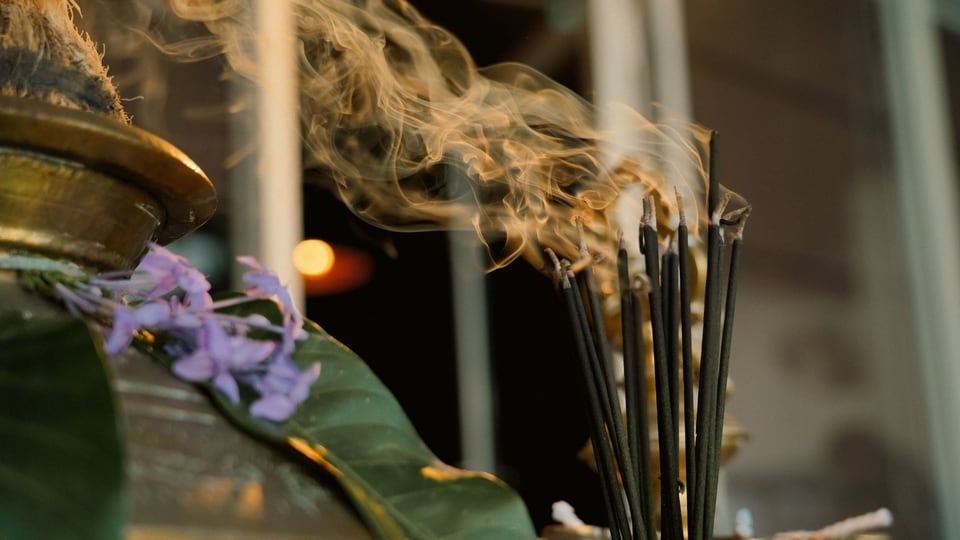
Lighting incense sticks indoors increases the levels of indoor air pollutants and can cause respiratory symptoms to flare up, shares Dr Sujan Bardhan.
Incense sticks are an indispensable part of life in several Indian households, usually used for daily prayer services. However, the fumes released by them can cause indoor air pollution, and inhaling the smoke can be hazardous to people who have respiratory issues like chronic obstructive pulmonary disease (COPD) and asthma, shared Dr Sujan Bardhan, consultant pulmonologist at Narayana RN Tagore Hospital, Kolkata, with HT Lifestyle.
Health effects of burning incense sticks at home
Dr Bardhan noted that the burning of incense sticks emits fumes containing very fine particulate matter as well as several volatile organic compounds and polycyclic aromatic hydrocarbons (PAHs).
“If these pollutants and irritants are inhaled, they can reach the lungs and cause irritation of the airways. Such irritation can lead to increased mucus production and hence make breathing difficult for people who already have compromised respiration,” he expressed.
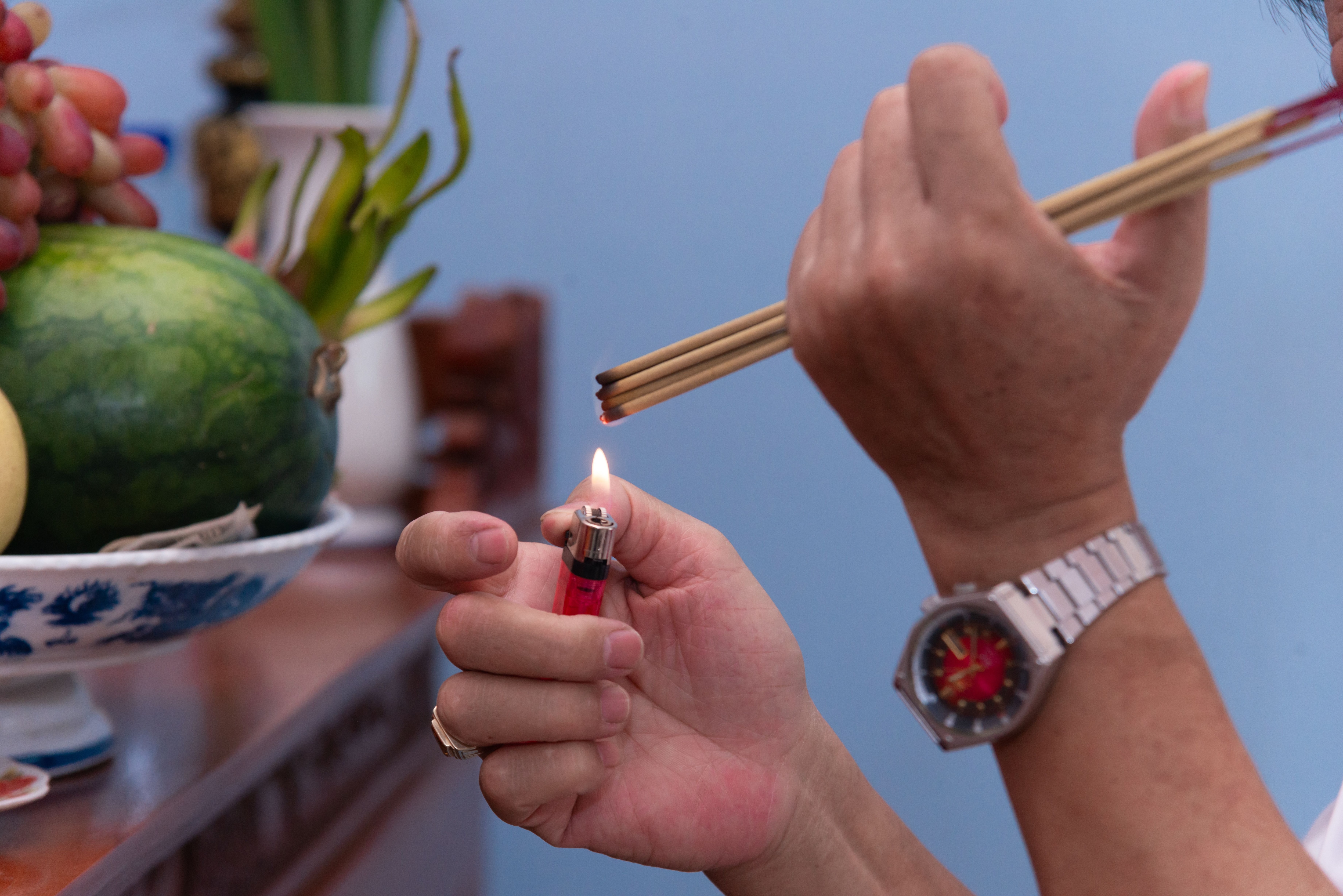
As a result, COPD patients can face worsened symptoms such as chronic coughing, wheezing, chest constriction, and trouble breathing. The incidence of asthma attacks may also rise after inhaling incense smoke, cautioned the pulmonologist.
It is important to keep in mind that the effects of incense smoke can be felt even after the incense stick has gone out. Small particles can stick to household surfaces, curtains, furniture, and clothes, while some particles can simply remain airborne.
Reducing the risk from incense smoke
To reduce the risk of respiratory issues from incense stick smoke, especially in the winter months when the outdoor AQI goes through the roof, there are a number of health considerations to be aware of, shared Dr Bardhan.
People usually keep their doors and windows shut in these months, which can prevent outdoor pollution, fog and haze from entering the room. At the same time, it leads to the accumulation of indoor pollutants, pointed out the pulmonologist.
In his words, “Patients diagnosed with COPD should refrain from burning agarbatti in enclosed spaces unless it is absolutely necessary. Even if there is no option left, the use of these products should be limited both in their duration and frequency of use.”
There are other safety measures that one can take to stay safe in winter. They include:
- Not spending too much time in outdoor pollution
- Using a properly fitted mask for filtering particulate matter
- Avoiding morning walks when AQI is high
- Not ignoring any rise in coughing, wheezing, or shortness of breath
Note to readers: This article is for informational purposes only and not a substitute for professional medical advice. Always seek the advice of your doctor with any questions about a medical condition.
ABOUT THE AUTHOR

Catch your daily dose of Fashion, Taylor Swift, Health, Festivals, Travel, Relationship, Recipe and all the other Latest Lifestyle News on Hindustan Times Website and APPs.


