
 E-Paper





Debapriya Bhattacharya is a Content Producer at Hindustan Times. He started his career in 2022, working in newsrooms in beats like education, US news, trending stories, and entertainment. In his new role in the lifestyle desk, he seeks to deliver a balanced blend of research-driven reporting and creative storytelling from health and recipes to art and culture. Science, philosophy, food and pop culture are what pump his veins and help bring heart to his stories. Debapriya tries to see out subjects that will allow him and readers to explore new frontiers and improve the quality of life for all. The explorations can be both external and internal, as thoughts seek to be as chaotic as the greater universe. As a citizen of the world, Debapriya has been fascinated by the lives of people across the globe throughout time. His curiosity leads him to explore new linguistic and cultural landscapes to broaden his horizons and deepen his understanding of global narratives. Beyond the newsroom, Debapriya loves to participate in debate and theatre, spaces that he considers to be holy grounds for nuance and self-expression. A graduate from Ashutosh College, University of Calcutta, Debapriya completed his Master's degree from the same university in 2022. An ambiverted bibliophile, he loves his solitude as much as he adores stimulating conversations. And despite his reverence for tech, libraries continue to be his favourite place for research.
Doctor explains the effects of diabetes on nerves and kidneys: From causes and symptoms to treatment and prevention



The effects of diabetes is not limited to the digestive and circulatory system; Dr Surana shares how it affects other organs.
Diabetes is not just about elevated blood sugar levels. When glucose remains high for prolonged periods over the years, it can gradually affect the body's blood vessels, nerves and vital organs.
While some complications become noticeable through pain or changes in sensation, others may develop silently over several years. The nerves and kidneys are particularly vulnerable to this long-term damage, Dr Vineet Kumar Surana, consultant for diabetes and endocrinology at Manipal Hospital, Dwarka, told HT Lifestyle.
Two important complications associated with diabetes that Dr Surana pointed out are diabetic neuropathy and diabetic nephropathy. The former affects the nerves and can interfere with sensation and movement, while the latter damages the kidneys' ability to filter waste from the blood.
“Although both conditions share a common underlying cause, they develop differently and require separate approaches to diagnosis and treatment,” stated the physician.
About diabetic neuropathy
Symptoms
Diabetic neuropathy commonly affects the nerves in the feet and legs in the beginning and eventually affects every part of the body by affecting the autonomic nervous system.
“People may initially experience tingling, numbness, burning sensations or sharp pain in their feet,” noted Dr Surana. “The discomfort can become more noticeable at night. As the condition progresses, reduced sensation may affect balance and walking.”
With diabetic neuropathy, one of the biggest concerns that Dr Surana warned about is that people may not notice minor cuts, blisters or injuries because their ability to feel pain has reduced. These unnoticed injuries can develop into foot ulcers and serious infections.

Causes
Explaining the cause of the condition and its link to diabetes, Dr Surana stated that when glucose levels remain elevated, they damage the small blood vessels that supply the nerves. The risk is further increased by conditions like high blood pressure, abnormal cholesterol levels, smoking and excess body weight.
“In diabetic neuropathy, this damage affects the nerve fibres and the tiny blood vessels that nourish them,” shared the physician. “Over time, the nerves become less effective at transmitting signals between the brain and different parts of the body.”
Without timely treatment, diabetic neuropathy can lead to persistent pain, foot ulcers, infections and even amputation, he highlighted.
Diagnosis
Diabetic neuropathy is diagnosed through foot examinations that assess sensation, reflexes and nerve function, shared Dr Surana.
About diabetic nephropathy
Symptoms
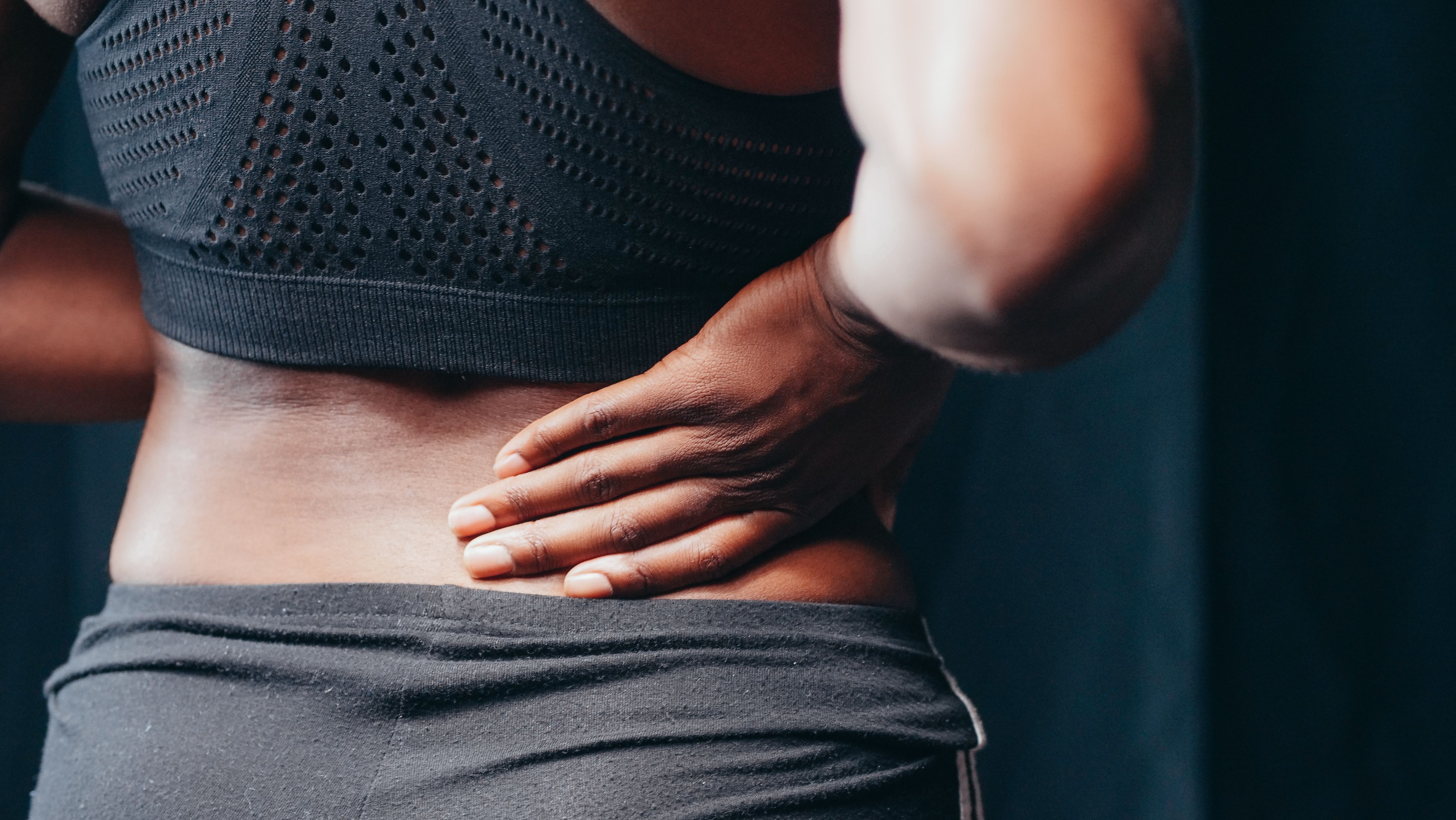
Diabetic nephropathy often follows a different course, highlighted Dr Surana. Unlike nerve damage, which may produce noticeable symptoms, kidney damage can remain undetected in its early stages.
“As the condition advances, people may notice foamy urine due to protein leakage, swelling around the ankles, feet or face, persistent fatigue and reduced appetite,” he stated. “High and difficult-to-control blood pressure may also develop as kidney function deteriorates.”
Causes
Like diabetic neuropathy, this condition is also closely linked to prolonged exposure to high blood sugar. When glucose levels remain elevated, they damage the small blood vessels that supply the kidneys.
High blood pressure, abnormal cholesterol levels, smoking and excess body weight can further increase the risk.
“In diabetic nephropathy, the damage affects the glomeruli, which are the tiny filtering units inside the kidneys. These filters gradually become less efficient at removing waste and retaining essential proteins,” explained the physician. He did note that the kidneys can continue functioning even when a considerable amount of damage has occurred, which is why symptoms often appear at a later stage.
Diabetic nephropathy can progress to chronic kidney disease and, in severe cases, kidney failure requiring dialysis or a transplant.
Diagnosis
Diabetic nephropathy is detected through urine albumin and blood tests that measure kidney function, shared Dr Surana.
Treatment and precautions for diabetic neuropathy and nephropathy
For both conditions, Dr Surana stated that the treatment focuses on blood sugar and blood pressure control, medicines for nerve pain, kidney-protective medication and regular foot care.
Annual kidney and nervous system screening is essential for people living with diabetes.
Apart from medical support, regular exercise, a balanced diet, daily foot checks and avoiding tobacco remain important preventive measures, the physician highlighted.
Note to readers: This article is for informational purposes only and not a substitute for professional medical advice. Always seek the advice of your doctor with any questions about a medical condition.
ABOUT THE AUTHOR

Catch your daily dose of Fashion, Taylor Swift, Health, Festivals, Travel, Relationship, Recipe and all the other Latest Lifestyle News on Hindustan Times Website and APPs.


