
 E-Paper



Tampon guide 101: Experts bust the 6 biggest myths, how to prevent Toxic Shock Syndrome

 Prefer HTon Google


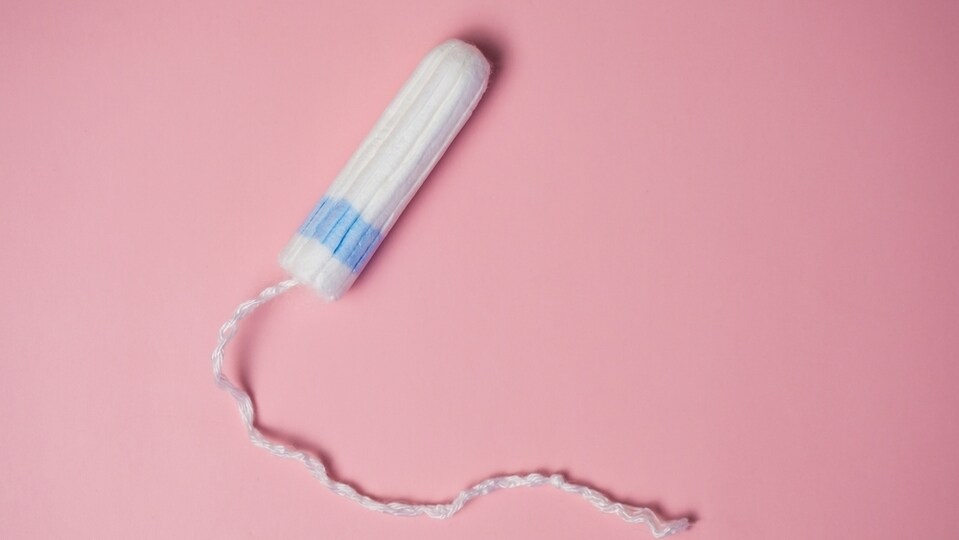
If you want to use tampons or have recently added them to your menstrual hygiene routine, check out this comprehensive guide that covers all things tampons.
Tampons are typically shrouded in mystery, stigma, and misinformation, despite being an efficient and functional menstrual product. Sadly, menstrual hygiene and products still aren't still talked about openly as much, leaving many women in the dark, mulling over half-truths and antiquated myths. Separating fact from fiction becomes the need of the hour, not just to clear doubts, but to take charge of your body, your menstrual health, and your period with confidence.
HT Lifestyle reached out to experts who shed light on tampons; from busting common myths and addressing the age-old debate of pads vs tampons, to breaking down the biggest caveat that keeps many away, Toxic Shock Syndrome.
Here's your guide to tampons, decoded from the very basics:
Popular tampon myths debunked

Since a tampon goes inside the body, unlike pads or reusable cloth, which are external or simply attach to underwear to absorb menstrual blood, it naturally sparks more questions and concerns. The concept of inserting something internally may be unfamiliar or even scary to some. But being well-informed helps combat this anxiety.
Aditi Gupta, MD of Mentrupidea, shared 6 popular myths and debunked each of them with the actual truth behind them:
Myth 1: Tampons can get lost inside you
Truth:
- No. There’s a natural barrier in your body called the cervix that stops anything from going too far.
- If you can’t feel the string or it feels stuck, just stay calm and gently pull it out. It’ll come out without any worries.
Myth 2: Tampons are painful to use
- When you insert a tampon properly, you shouldn’t feel it at all. The trick is to relax, use the right absorbency, and insert it at a slight angle.
- If it feels uncomfortable, it could just be that it’s not far up enough. Simply adjust it, and it should feel better.
- Tampons are a great option because they’re easy to use and give you the freedom to move around without worrying about leaks. Whether you’re at school, work, or just hanging out, tampons make it so much easier to manage your period.
Myth 3: You can leave a tampon in all day
Truth:
- You shouldn’t leave a tampon in for more than 4 to 8 hours. It’s important to change it regularly to avoid leaks.
- If you’re someone who forgets, just set a reminder on your phone.
Myth 4: You can’t sleep with a tampon
Truth: Totally false. Just make sure to use a fresh one before bed.
Myth 5: Tampons take away your virginity
Truth:
- Not true. Tampons are just a tool for managing your period.
- They don’t change anything about your body or who you are. Using a tampon doesn’t affect your virginity at all.
Myth 6: You need to change your tampon every time you pee.
Truth:
- You don't need to change your tampon after you pee.
- Tampons are not affected by urination and should be changed every 4-8 hours or more often if needed for proper hygiene.
Tampon vs pad: Which is better?
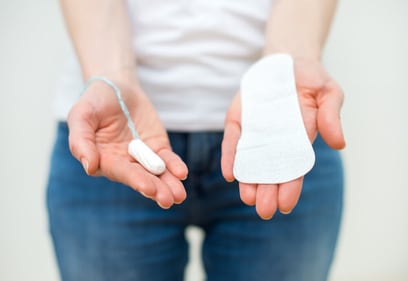
Switching from pads to tampons, even though tampons may be more compact and hassle-free, is a challenge, as pads have long remained the more popular choice, sparking this comparison to weigh their efficiency.
Dr Gayatri Deshpande, Sr. Consultant & HoD, Gynaecology & Obstetrics at Nanavati Max Super Speciality Hospital, Mumbai, however, shared how tampons may be a better option.
She said, “Tampons and pads each offer different levels of hygiene and comfort. Tampons, when used correctly, tend to provide superior hygiene as they are used internally, directly absorbing menstrual fluid. This significantly reduces the contact of menstrual blood with the skin, minimizing the risk of irritation, odor, and vaginal infections.”
But tampons come with a very important precaution that needs to be kept in mind. While it is rare, still, precautions need to be taken. Dr Deshpande added, “However, tampons must be changed at least every six hours to prevent complications such as Toxic Shock Syndrome (TSS), a rare but serious condition. Moreover, highly absorbent tampons can lead to vaginal dryness by absorbing the vagina’s natural lubricating mucus.”
Now that you are aware of the potential risks of tampons, which only arise from improper menstrual care, let’s understand which tampon material is best. She said, “It's recommended to use tampons made from pure cotton without parabens or added fragrances, as these substances can disturb the vagina’s natural acidic pH balance, potentially leading to bacterial vaginosis. Ultimately, maintaining proper menstrual hygiene, regardless of choosing pads or tampons, is crucial for overall reproductive health.”
How to prevent Toxic Shock Syndrome from tampons?

The key to being well-informed is to broaden your horizon, even facing some uncomfortable truths, like the rare but very serious risks of Toxic Shock Syndrome (TSS).
Dr Tejal Kanwar, Consultant Gynaecologist at UJAAS, an initiative by Aditya Birla Education Trust for menstrual health awareness, explained TSS. She said, “Toxic Shock Syndrome is a rare but serious bacterial infection commonly caused by Staphylococcus aureus or Streptococcus pyogenes. It is often linked to tampon use, especially the super-absorbent ones, though it can also result from skin wounds, surgery, or burns.TSS tends to occur more commonly in menstruating women under 30”
Dr Kanwar listed out the symtoms:
- High fever
- Rash
- Confusion
- Dizziness
- Vomiting
- Low blood pressure
- It can progress rapidly and lead to organ failure if untreated, so early recognition and immediate medical attention are crucial.
But don’t let this deter you from using tampons, as with any menstrual product, TSS is rare and anyway, proper hygiene is imperative to avoid infections or rashes. Dr Kanwar elaborated on how to prevent TSS and said, “TSS is preventable with simple yet vital menstrual hygiene practices such as changing tampons every four to eight hours, using the lowest absorbency needed, avoiding overnight tampon use, alternating between tampons and pads and avoiding tampons altogether if you’ve had TSS before.”
Further, Dr Kanwar highlighted the importance of menstrual hygiene beyond just TSS. She said, “Good menstrual hygiene goes beyond just TSS prevention. Even basic hygiene like changing products, gentle cleaning, breathable underwear, proper disposal, not sharing, and tracking your cycle play a key role. These practices not only support reproductive health and comfort but also empower confidence throughout your period.”
Note to readers: This article is for informational purposes only and not a substitute for professional medical advice. Always seek the advice of your doctor with any questions about a medical condition.


Catch your daily dose of Fashion, Taylor Swift, Health, Festivals, Travel, Relationship, Recipe and all the other Latest Lifestyle News on Hindustan Times Website and APPs.


