
 E-Paper



9-day Navratri fasting food list: Dietitian shares 3 traditional and guilt-free recipes with a healthier twist
Explore healthy, guilt-free Navratri fasting recipes with nutritious ingredients and simple preparation methods to keep you energised all nine days.

 Prefer HTon Google


Our Picks
Our Picks
| Product | Rating | Price |
|---|---|---|
Ahaar Vrat Combo Pack: Kuttu Atta, Singhara Atta, Sabudana, Samak Rice (250g x 2 Each) & Raw Peanuts (250g x 1) | Navratri Upwas Fasting Essentials Kit | Pure & Natural Organic Grain Flours (2.25kg Total)View Details  | ₹799 | |
 | ||
Organic Zing Curd Powder – 1000g | Pure Food Grade Curd Powder | Natural & Instant Curd Mix for Cooking, Beverages, Smoothies, Skincare | Rich in Probiotics & Nutrients | No PreservativesView Details | ₹2,336 | |
| ||
Namakwali Flavoured Pahadi Salt Seasoning Mix | Pack of 6-600 Gram | Seasoning Combo - Popcorn, Noodles, Salad, Raita, Juice, Fruits, Sweet Corn, Makhana and more | 100% Organic | SharkTank India S3View Details | ₹639 | |
| ||
GirOrganic A2 Cow Ghee - Pure 1 Litre Glass Bottle Ghee | 100% Gir Cow Ghee | Vedic Bilona Method | Grassfed, Cultured, Premium & Traditional Ghee | Immunity Booster | Gopal Ratna Award Winner 2023View Details | ₹2,606 | |
| ||
GowBless Buckwheat – 4kg | Gluten-Free | High Protein GrainView Details | ₹832 | |
| ||

Research-Backed Choices
Every product we recommend is chosen through a combination of Primary Research and Secondary Research.
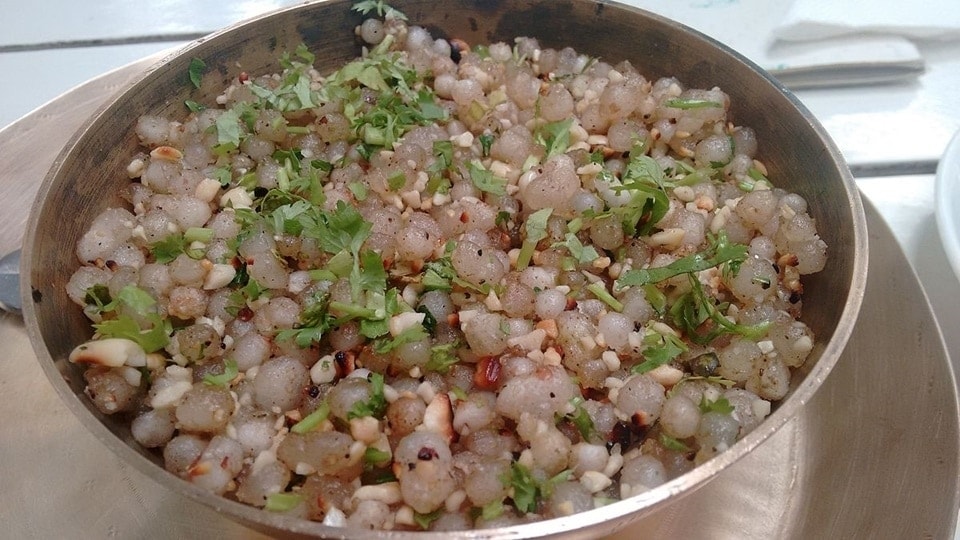

Fasting during Navratri doesn't have to mean living on fried sabudana vadas, potato chips, and sweets! You can still enjoy fasting dishes and stay healthy and energized. It depends on the foods you choose, how much oil you use, and whether you include energy, protein, and other nutrients. Common fasting ingredients include kuttu atta (buckwheat), singhara atta (water chestnut), rajgira (amaranth), samak rice, and sabudana. You can make them into dishes like rotis, cheelas, or khichdi, depending on your fasting practices. But quantity and preparation matter, because deep-fried snacks or extra ghee can add bulk to fasting meals.
Choosing food that nourishes your body
Potatoes and sweet potatoes provide energy, while roasted makhana and peanuts make good snacks. Instead of frying them, you can roast or boil these foods. You can also include milk, curd, paneer, and buttermilk. Also, consume fruits such as apples, guavas, papaya, pomegranates, oranges, pears, and bananas. Eat whole fruit rather than fruit juice, as it contains fiber and keeps you full. Maintaining hydration is equally important; drink water regularly and also consume coconut water, lemon water, or cucumber water, depending on your fasting rules.
Healthy recipes for Navratri
Clinical Dietitian and Certified Diabetes Educator, Sumaiya A, Fortis Hospital, Kalyan, shares three recipes you can easily prepare using fasting-friendly ingredients and simple cooking techniques.
Recipe 1: Kuttu atta cheela
- Items required: Half a cup of kuttu atta, two tablespoons of curd, two tablespoons of grated cucumber (if permitted), sendha namak (if permitted), and one teaspoon of ghee. Add sendha namak according to your fasting rules. Mix all ingredients with a little water to form the batter. Spread the batter on a hot pan and cook both sides using a little ghee.
- Benefits: Buckwheat offers fiber and protein, while curd provides protein and calcium. This meal makes for a healthy start to your day.
Recipe 2: Roasted makhana and peanut snack
- Ingredients: 1 cup makhana, 1 tablespoon peanuts, 1/2 teaspoon ghee, and a pinch of sendha namak (if allowed).
- Procedure: Roast the makhana until crispy. Add the ghee and peanuts, then roast for two more minutes. Season with sendha namak.
- Benefits: This quick energy snack contains protein and fat from peanuts.
Recipe 3: Samak rice vegetable khichdi
- Ingredients: Half a cup of samak rice, half a small potato, 1 teaspoon of peanuts, 1 teaspoon of ghee, cumin, and sendha namak as permitted.
- Method: Wash the rice thoroughly. Heat the ghee, add the cumin, potato, and peanuts, then add the rice, water, and sendha namak. Cook until soft.
- Benefits: Samak rice is calorie-dense, while peanuts are rich in protein and healthy fats. Potatoes boost the meal's energy.
Do not let a fasting meal go to waste
Navratri meal planning could include fruits with curd or milk and a little makhana for breakfast; kuttu roti with curd and permitted veggies for lunch; roasted makhana or peanuts for an evening snack; and samak khichdi with curd for dinner. Fasting doesn't mean neglecting your body’s needs. Eat a proper amount of food, drink enough liquids, and don't overeat after long fasting intervals. People with diabetes and other medical conditions must consult their doctor before fasting.
(Disclaimer: At Hindustan Times, we help you stay up to date with the latest trends and products. Hindustan Times has an affiliate partnership, so we may get a part of the revenue when you make a purchase. We shall not be liable for any claim under applicable laws, including but not limited to the Consumer Protection Act, 2019, with respect to the products. The products listed in this article are in no particular order of priority. The brand provided them to HT Shop Now for testing and evaluation. Our opinions remain independent and based on our personal experience with the items. Please patch test the products before use.)

Catch your daily dose of Fashion, Taylor Swift, Health, Festivals, Travel, Relationship, Recipe and all the other Latest Lifestyle News on Hindustan Times Website and APPs.


