
 E-Paper



Why are you feeling full all day while eating less to lose weight? Dietitian explains the possible causes

 Prefer HTon Google



Feeling unusually full despite eating less? A dietitian explains what may be affecting your appetite and what it could mean for your weight loss journey.
Eating less doesn’t always mean feeling hungrier. If you’re consistently feeling full after small meals or have little appetite throughout the day, it’s worth understanding why. In an interview with HT Lifestyle. Dr Padmini BV, PhD, MS, CDE, HOD, clinical dietitian, department of nutrition and dietetics, Apollo hospital, Sheshadripuram, Bangalore, explains the common factors that could be behind this change.
Also read | Are you eating cucumbers wrong? Dietician shares the one common mistake many make: ‘When you peel it…’
Reasons behind persistent fullness
Dr Padmini said, “Eating less to lose weight and feeling a full stomach is known as early satiety or gastroparesis (delayed food emptying).” There could be several reasons to eat less which includes intentional calorie restriction, eating disorders, stress and emotional factors, and socio economic conditions.
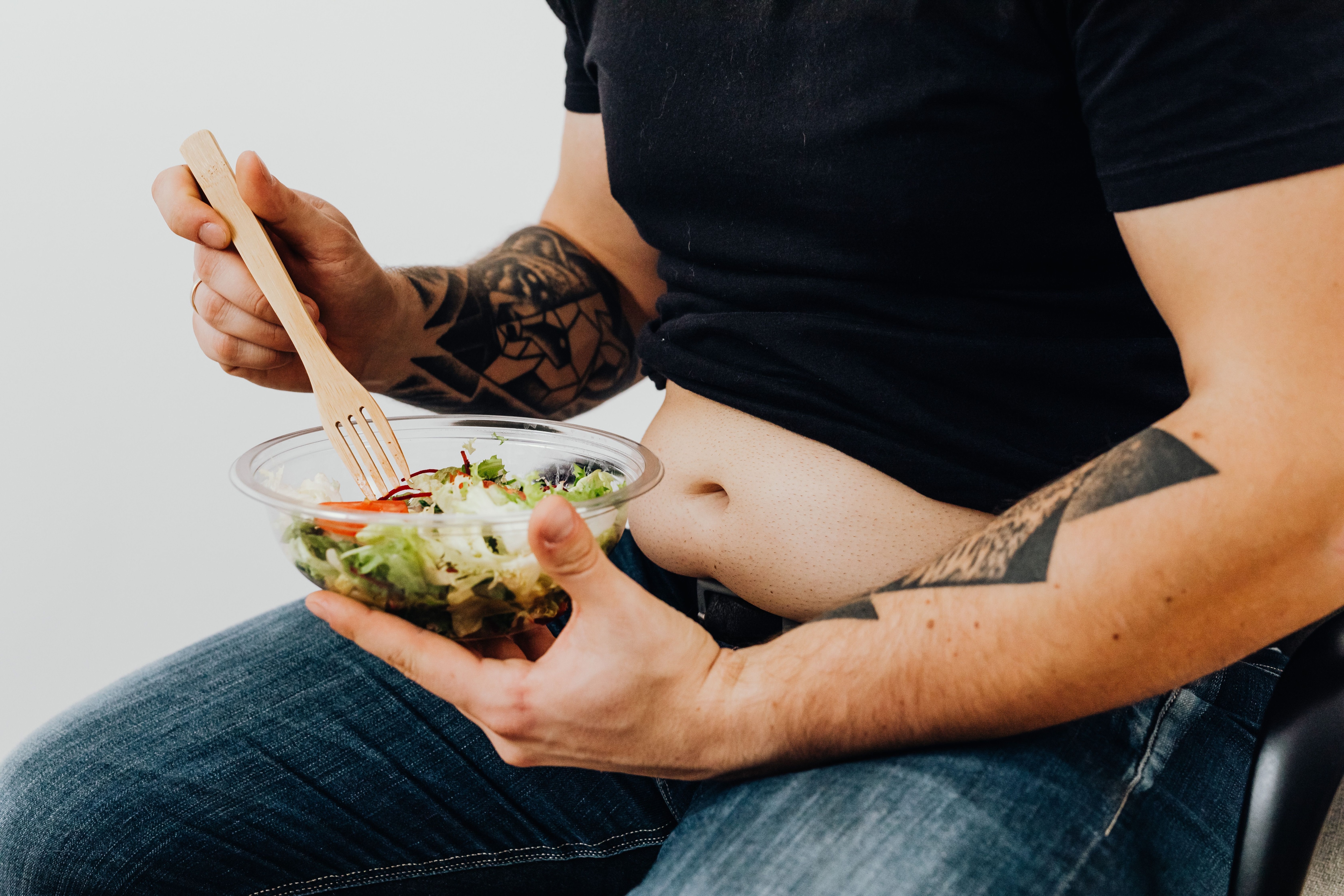
Does eating less lead to weight loss?
Dr Padmini highlighted that long-term eating less may lead to nutritional deficiencies, fatigue, and chronic disease conditions. Balancing between low calorie intake and energy expenditure would give better weight reduction results. Eating food in less quantity depends upon the quality and type of food consumption.
Over a period less eating leads to slow metabolic functions leading to chronic metabolic dysfunction like diabetes mellitus, liver disorders, dyselectrolytemia, digestion and body temperature regulation.
What happens when you eat less?
There are other several factors which can reduce due to under eating like low activity levels, genetic alterations, lifestyle disorders and individualized dietary habits. Under eating for weeks or months, our metabolic rate slows down by 10 -25 %, making weight loss extremely difficult. The associated risk factors of gastroparesis are bloating, nausea, upper abdomen pain, vomiting, and loss of appetite.
Irregular and under-eating may lead to increased cortisol from chronic stress, loss of lean muscle mass, glucose dysregulation, and adaptive thermogenesis. The brain plays a critical role in controlling body weight. It signals when to eat and when to stop. Not feeling full, or satiated, can lead to overeating and obesity.

How to avoid early satiety
1. Eat small and frequent meals.
2. Eat more protein and fibre to maintain good health.
3. Chew foods well before swallowing.
4. Avoid alcohol, smoking, caffeine, acidic, spicy, or fried foods, and carbonated beverages. (This will help with bloating or reflux, too.)
5. Limit fluids at meals. Fluids can take up room in the stomach leading to insufficient nutrient-rich food.
6. Sit upright while eating and after meals. Avoid lying down for three to four hours to avoid acid reflux.
7. Exercise has been shown to help increase gastric emptying.
Note to readers: This article is for informational purposes only and not a substitute for professional medical advice. Always seek the advice of your doctor with any questions about a medical condition.


Catch your daily dose of Fashion, Taylor Swift, Health, Festivals, Travel, Relationship, Recipe and all the other Latest Lifestyle News on Hindustan Times Website and APPs.


