
 E-Paper



Why do men hesitate to share problems with their partners? Relationship expert explains the role of social conditioning

 Prefer HTon Google


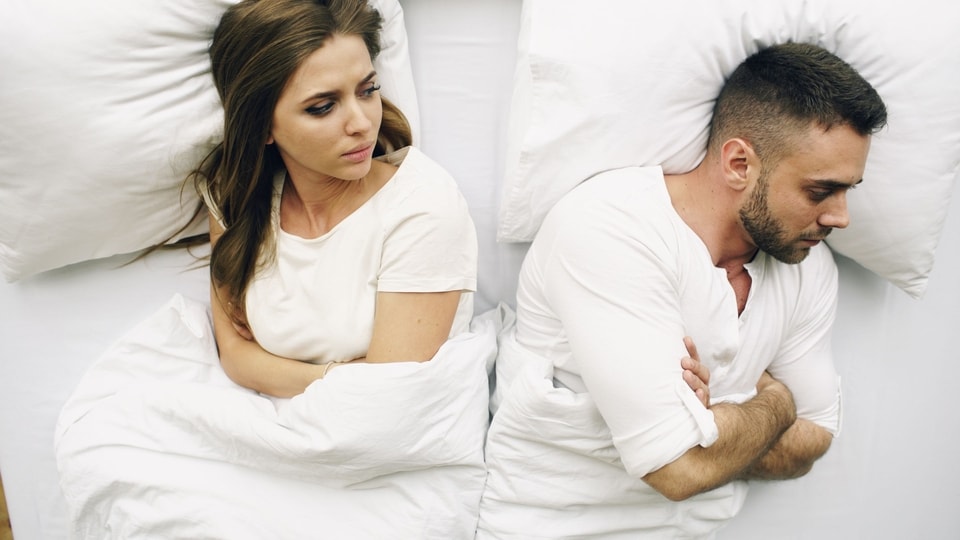
Social conditioning can make it hard for men to express emotions, even in healthy relationships. Experts encourage partners to create a non-judgmental space.
Men are often less expressive about their emotions, even when they are in secure and healthy relationships. While social media offers several explanations, sometimes exaggerating this pattern, HT Lifestyle spoke to Anjali Gulati, founder and counselling psychologist at FeelOkayCo. and Shallu Chawla, relationship expert and co-founder of Make My Lagan, to understand the underlying reasons why men may find it difficult to open up to their partners.
Role of conditioning
"In my 17 years of working closely with couples and families, one thing I have observed repeatedly is that men often find it much harder to express their emotions than women and I believe a lot of it comes from childhood conditioning,” highlighted Chawla.
She emphasised that from a very young age, boys are told, “You are a boy, you shouldn’t cry. You have to be strong. You have to take responsibility.” Somewhere along the way, they are taught that expressing vulnerability is a sign of weakness.

Over the years, this conditioning creates emotional barriers. Many men hesitate to open up even to their wives or partners because they fear being judged. They worry that if they cry, express their fears or admit that they are struggling, their partner might consider them weak or lose respect for them. Sometimes, ego also becomes a barrier.
“What I have noticed in relationships is that a man may appear perfectly normal on the outside, take care of his responsibilities and continue fulfilling everyone’s expectations, while internally he may be dealing with stress, insecurity, loneliness or emotional pain,” said Chawla.
According to Gulati, relationships can make this even more complicated. Some men worry that sharing their struggles might burden their partners, change how they are perceived or make them appear less capable. Others fear that their vulnerability may invite criticism, unsolicited advice or conflict rather than understanding. For men who have rarely experienced emotionally safe conversations, opening up can feel quite unfamiliar and uncomfortable.
Impact of emotional gap
According to Chawla, this emotional gap often creates misunderstandings between couples. A woman may feel that her partner is not communicating or being honest about what he feels, while the man may simply not know how to express what is going on inside him.
“I strongly believe that a healthy relationship cannot be built on the expectation that only one partner should be emotionally expressive,” said Chawla. Men have emotions too. They have every right to cry, feel afraid, feel insecure, experience anxiety or even admit that they are not doing okay.
To the men reading this, Chawla advises that you do not always have to be the strong one or hide your vulnerable side to earn respect. Instead, learn to communicate openly and honestly with your partner.
“As a counselling psychologist, I believe emotional openness needs to be understood as a skill that develops through experience, safety and acceptance. Partners can help by listening without immediately trying to fix things, avoiding judgement and making room for difficult conversations,” advised Gulati.

For women, Chawla suggests creating an environment where their partners feel comfortable expressing themselves. “Create a space where your partner feels safe enough to express himself without the fear of being judged,” she says.
“Because, in my experience, the strongest relationships are not those where two people never break down; they are those where both feel safe enough to be vulnerable with each other. True intimacy begins when you can be yourself, without wearing an emotional mask,” concluded Chawla.
Note for the readers: This article is for informational purposes only and should not be considered a substitute for professional advice. Please consult a qualified expert for personalised guidance.


Catch your daily dose of Fashion, Taylor Swift, Health, Festivals, Travel, Relationship, Recipe and all the other Latest Lifestyle News on Hindustan Times Website and APPs.


