
 E-Paper



Cities in 2018: World trends, lessons from Amazon HQ2
As the year comes to a close, it’s time to cast a gaze across the world to pick up actions, reports and trends in urban issues which hold relevance for us in Indian cities or signal a sense of the future. The United Nations’ 2018 Revision of World Urbanisation Prospects told us that India will have added the largest number of urban dwellers – 416 million – by 2050, India along with China and Nigeria will account for 35% of the projected growth of the world’s urban population till that year, and Delhi is tipped to be the world’s most populous city around 2028.


As the year comes to a close, it’s time to cast a gaze across the world to pick up actions, reports and trends in urban issues which hold relevance for us in Indian cities or signal a sense of the future.
The United Nations’ 2018 Revision of World Urbanisation Prospects told us that India will have added the largest number of urban dwellers – 416 million – by 2050, India along with China and Nigeria will account for 35% of the projected growth of the world’s urban population till that year, and Delhi is tipped to be the world’s most populous city around 2028.
There were the usual lists: world’s most innovative cities (Mumbai was India’s highest ranked city at 92), most liveable cities (Mumbai ranked a poor 117 on the world index and third on the national index put out by the Government of India), most wealthy cities (Tokyo by its staggering GDP of about $1,520 billion, New York preferred by world’s most wealthy), most reputable cities, most competitive cities and so on. China leapfrogged from having seven to 27 urban centres on the Global Cities Index.
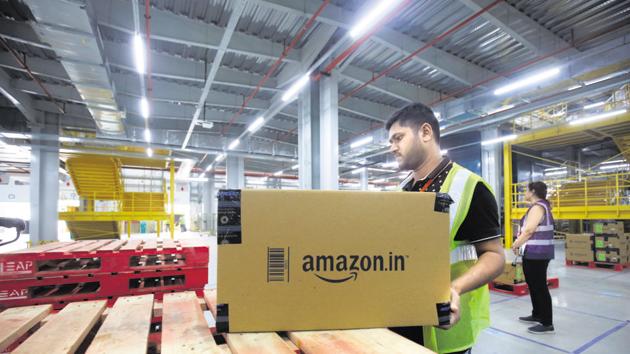
The game-changer in urbanism had to be the e-retail giant Amazon’s second headquarters, colloquially called HQ2. The process of selecting a city in the United States officially began in September 2017 and ended last month when Amazon settled on two cities: New York’s Long Island City and Crystal City in Arlington, Virginia, considered a suburban neighbourhood to Washington D.C.
The 14-month process was fascinating, to say the least, and displayed the balance of power between cities and corporate giants. An astounding 238 cities “applied” when Amazon opened this chapter of the story. It demonstrated the power of a wealthy conglomerate, it made cities look like suitors out to woo the most coveted prize – a swayamvar of cities, to Indianise it – and it started a race between cities to offer larger tax sops and incentives than the others.
Large multinational conglomerates locating in a city and the city being identified with them is not a new phenomenon in the US. General Motors was synonymous with Detroit, Boeing and Seattle were spoken of in one breath till it shifted its headquarters to Chicago, Apple is Cupertino, Mountain View could be called Googletown.
Amazon touched a new peak in the bidding process. In return for all that, the cities were laying out for it in hundreds of millions of dollars, Amazon promised 50,000 jobs and revenues over 25 years.
Eventually, it short-listed 20 cities and finally announced that it would share its presence between Long Island City and Crystal City – both on East Coast, strategically important, proximate to the country’s political headquarters where Amazon’s owner Jeff Bezos also owns a home and the newspaper, The Washington Post.
This manufactured competition between hundreds of cities, urbanists said, was really a race to the bottom with public funds. At one stage, researcher and co-founder of The City Lab Dr Richard Florida even called for a truce in the bidding war. The entire saga had, what a commentator called, “all the hallmarks of the gaudiest reality TV” and writers wondered “if this national auction was nothing more than a scripted drama to raise the value of the inevitable winning bid”.
In NY’s Long Island City alone, Amazon plans to squat on 4 to 8 million sq. ft across several buildings and create 25,000 jobs. It has secured nearly $3 billion in government subsidies which raised the hackles of residents and city council members. They are not convinced by the giant’s offer of $27.5 billion in revenues over the next 25 years. Transport will become a nightmare, property prices have rapidly risen, middle-class neighbourhoods will find it difficult to sustain themselves, and the city will get re-branded as Amazon’s, they say. The story is not different in Crystal City which the company has already re-branded as National Landing.
An important take-away is the manner of the deal. Amazon made NY authorities sign a Non Disclosure Agreement keeping details secret. So no one is sure how many jobs will be saved for NY residents, how much the company will contribute to public housing, how it will spend government subsidies.
The negotiations bypassed the city review process and were conducted by NY’s mayor and governor. Now, livid city council members are demanding a renegotiation. NY’s interests aren’t served, “we are not in the business of corporate welfare here”, they say.
The final chapter in this saga between large cities and large corporations is yet to be written.


Stay updated with all the Breaking News and Latest News from Mumbai. Click here for comprehensive coverage of top Cities including Bengaluru, Delhi, Hyderabad, and more across India along with Stay informed on the latest happenings in World News.


