
 E-Paper



From cost to load, concerns aplenty
Officials in the transport department said a challenge would be to identify women who are travelling outside Delhi.


Chief Minister Arvind Kejriwal’s plan to make travel in Metro and in public buses free for women might not be an easy feat. With basics such as segregation of commuters based on their gender, technological support and the boundaries of the city not worked out, the scheme will need not only planning but also technology upgrades.
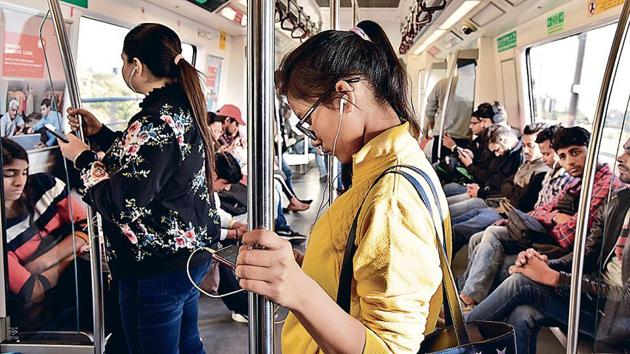
Officials in the transport department said a challenge would be to identify women who are travelling outside Delhi. The Delhi Metro so far has way to segregate riders on the basis of destination.
“Under the current set up, the government will end up bearing the cost of free rides for women even living in NCR cities such as Noida, Ghaziabad, Faridabad and Gurugram which fall in different states. Both Metro and buses have routes from Delhi to these cities,” the official said.
Delhi Metro travel cards and tokens that are currently in circulation have not been designed to differentiate passengers on the basis of gender. Officials said there is no system that can detect whether a female or a male traveller is entering the system.
“Only possible solution for this could be introducing a separate card. But this again would be a problem as we would have to see what will happen to the metro card users owned by women that are already in circulation,” said the official.
Another issue that the DMRC feels could crop up is that of multiplicity of cards. The metro network already has at least two variants of smart cards, including the recently launched common mobility card. Besides, if not manually monitored, the recalibrated cards could also be misused by male passengers.
The success of this scheme will depend a lot on constant physical monitoring by staff, including the security personnel deployed at gates. “Under the existing set up, the onus will lie on the security personnel deployed at the metro stations to allow women to enter for free, which will act as an extra burden apart from crowd management and security checks,” said a metro official.
Experts suggested that the scheme should have ideally be first introduced in state-run buses only.
“In buses, implementing the scheme is easier as compared to the metro each bus has only about 50 passengers with a conductor. The conductor will just issue tickets to male passengers in such a case,” said Subhash Chand, director (transport policy and road research), Central Road Research Institue (CRRI).
Sanjay Gupta from School of Planning and Architecture said that the step could also lead to congestion in the metro which already has about 25-30% women passengers. “After the metro fare hike, many must have opted out of the system. This step could bring a few women from the economically weaker sections back to network,” he said.
The Delhi government said the sop would not lead to congestion as after the completion of Phase-III project, the ridership capacity on the metro has increased to 4 million per day. “But compared to that Delhi Metro is currently carrying only about 25-26 lakh passengers daily. Offering free rides to women would only increase metro’s ridership by about a lakh,” Kejriwal said.

Stay updated with all top Cities including, Bengaluru, Delhi, Mumbai and more across India. Stay informed on the latest happenings in World News along with Delhi Election 2025 and Delhi Election Result 2025 Live, New Delhi Election Result Live, Kalkaji Election Result Live at Hindustan Times.


