
 E-Paper



LPG most commonly used slum fuel in Mumbai, reveals study
The System of Air Quality Weather Forecasting and Research (SAFAR) sampled 71,546 urban slum households across 20 locations in Mumbai and found only Mankhurd (with a sample size of 3,148) was more dependent on kerosene than LPG.


In an encouraging sign in the fight against air pollution in the city, a study indicated that biofuel emissions — one of the top sources of particulate matter — are on a steady decline. The study on fuel-usage pattern has shown that 19 out of every 20 slum settlements in Mumbai prefer liquefied petroleum gas (LPG) for cooking, over other fuels such as kerosene, coal or wood.
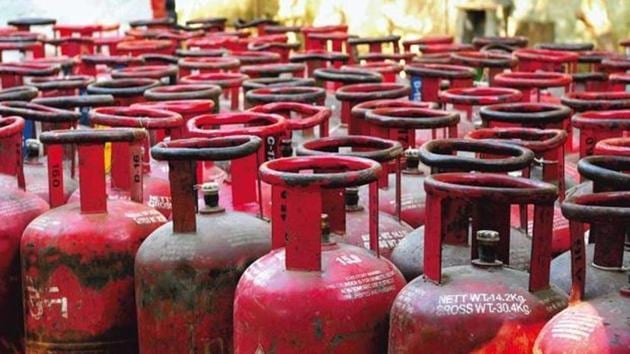
The System of Air Quality Weather Forecasting and Research (SAFAR) sampled 71,546 urban slum households across 20 locations in Mumbai and found only Mankhurd (with a sample size of 3,148) was more dependent on kerosene than LPG. Slums in Borivli and Kurla also had high kerosene usage, but LPG consumption was marginally higher.
Seventeen settlements were found using wood, the study revealed. Kurla and Dharavi (with a sample size of 472 and 5,943 people) were the only two areas still dependent on coal for cooking. SAFAR said the study was released earlier this year, but was carried out between 2015 and 2016 when the impact of the Centre’s scheme of providing LPG to below poverty line women under the Pradhan Mantri Ujjwala Yojana (PMUY) had just started across slums.
“After analysing the data, we found that awareness and the ability to afford LPG connections was much higher across Mumbai slums than in other cities where SAFAR monitors air quality, such as Delhi, Pune and Ahmedabad. This was even before the Ujjwala scheme was implemented properly,” said Gufran Beig, project director, SAFAR.
Experts said increased LPG use was an encouraging trend. “The lack of access to clean fuels for slums is a major air pollution issue in India. Clean-energy transition in low-income neighbourhoods is a vital step to reduce overall emissions and increase health security,” said Anumita Roy Chowdhury, executive director (research and advocacy), Centre for Science and Environment. “Now, we need to aim for 100% coverage with a more aggressive strategy.”
According to the 2011 census, Mumbai has the most slum households for any metro city with a million-plus population.
SAFAR identified that biofuel emission was one of the top emission sources for particulate matter (PM2.5, PM10) at 14% and 27%; carbon monoxide at 60%; black carbon at 46% and Volatile Organic Compounds (VOC) at 55% in Mumbai, between 2015 and 2017. “While the availability of wood is low in Mumbai, the use of kerosene still remains high, leading to an overall rise in biofuel emissions,” said Beig. “Combined with kerosene, open-waste burning, emission from bakeries, landfills as well as minimal use of wood and coal keep biofuel emission sources high, in spite of LPG usage being the highest.”
LPG is the most suitable fuel for human health, said doctors. “Coal, kerosene, and wood — all three have a strong possibility of causing damage to lungs over time, owing to excess smoke production. Kerosene is most harmful, followed by wood and then coal,” said Dr Arun Kumar Sharma, University College of Medical Sciences in Delhi. “In lower socio-economic communities, ventilation is poor so the chances of respiratory ailments are very high.”
SAFAR will be carrying out a similar survey in 2020-21, comparing the 2015-16 data. “We expect a possibility of 100% LPG use across Mumbai slums (for cooking), as a result of the Ujjwala scheme,” said Beig.
The Maharashtra Pollution Control Board (MPCB) said recommendations to address residential biofuel emission by introducing cleaner fuels (especially for slums) using Ujjwala had been incorporated into air-pollution action plans for all 18 cities in Maharashtra. “Availability and affordability is favourable for LPG as against any other fuel sources. The state’s emphasis to provide such connections is high to ensure this sector’s contribution to air pollution falls to zero in the near future,” said Sudhir Srivastava, chairman, MPCB.

Stay updated with all the Breaking News and Latest News from Mumbai. Click here for comprehensive coverage of top Cities including Bengaluru, Delhi, Hyderabad, and more across India along with Stay informed on the latest happenings in World News.


