
 E-Paper



Photos: Delhi rushes to house its homeless as temperatures plummet
As the national capital shivers Delhi government’s DUSIB provide rainproof, fire retardant tents for homeless complete with folding beds, linen, pillows and mattresses. As per last year promise warm water, television and breakfast were to be provided at all its permanent shelters and porta cabins but the current scenario tells another story at locations HT visited. DUSIB is tasked with providing a safe and comfortable stay to Delhi’s over 17,000 homeless people.
Updated on: Dec 21, 2018 1:07 PM IST


Share via


Copy link

1/8
 View Photos in a new improved layout
Updated on Dec 21, 2018 1:07 PM
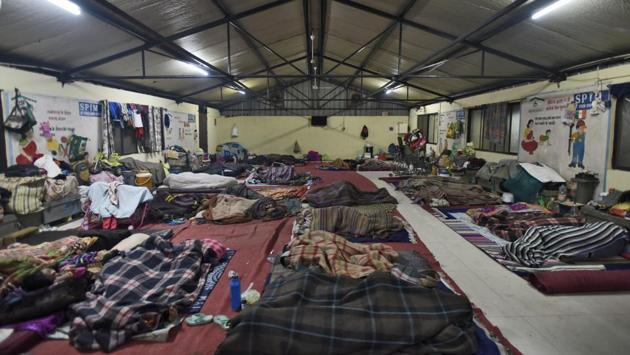
As Delhi’s temperature plummets to a bone-chilling 4 degrees Celsius, the city’s homeless are sheltering in structures like this one at Sarai Kale Khan, one of the city’s 248 night shelters. Of these, 83 are permanent buildings, 115 are porta cabins while 45 are makeshift tents. The capital’s Delhi Urban Shelter Improvement Board (DUSIB) is tasked with providing a stay to over 17,000 homeless people. (Burhaan Kinu / HT Photo)
2/8
 View Photos in a new improved layout
Updated on Dec 21, 2018 1:07 PM
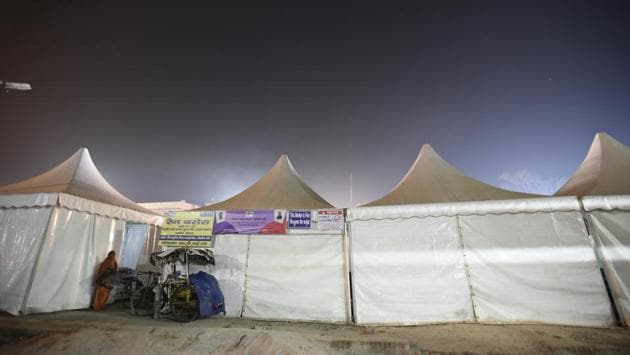
Winter stay at all shelters is free whereas in summers, it’s Rs 10 per night. This winter the white makeshift tents are ‘German-European’ style, which the government says are rainproof and fire retardant. There are folding beds, linen, pillows and mattresses unlike last year’s jute mats on the ground. Spread across Kashmere Gate ISBT, Nizamuddin (pictured), Yamuna Pushta, AIIMS and other places, each accommodates 50-60 people. (Burhaan Kinu / HT Photo)
3/8
 View Photos in a new improved layout
Updated on Dec 21, 2018 1:07 PM
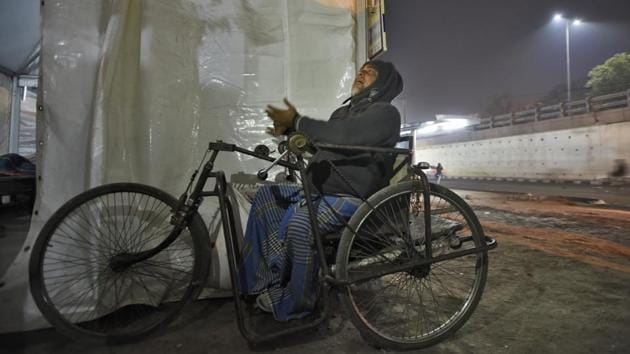
A homeless man outside a temporary shelter. All the shelters are run by NGOs on a contract basis. DUSIB had last year promised warm water, television and breakfast at all its permanent shelters and porta cabins. But geysers, though one each to cater to around 150-200 people, were functional and breakfast was provided only at a few shelters. (Burhaan Kinu / HT Photo)
4/8
 View Photos in a new improved layout
Updated on Dec 21, 2018 1:07 PM
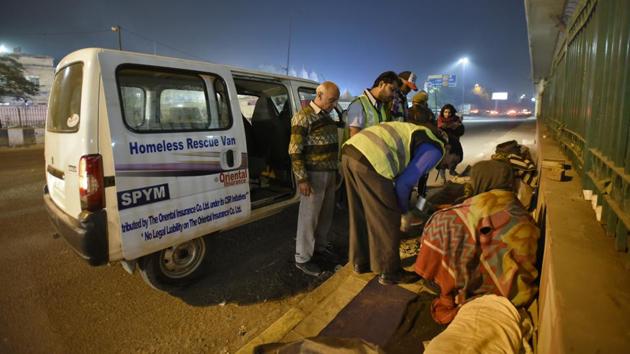
Volunteers try to convince people on a pavement to shift to a shelter home. A project coordinator said that their team moves 10-15 people every day from the streets to the shelters. But there are many who prefer the roadside as they don’t want to give up on public donations. A contractual helper at AIIMS said people come here in the wee hours, give blankets to the first few, click photos and leave. (Burhaan Kinu / HT Photo)
5/8
 View Photos in a new improved layout
Updated on Dec 21, 2018 1:07 PM
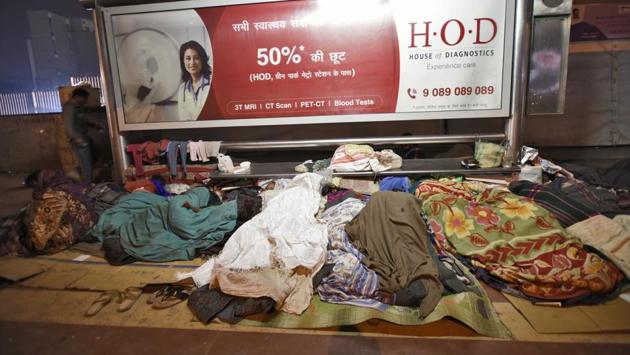
While most shelters are not at capacity yet, those at AIIMS are filled with a large number sleeping on the streets. With no space, people are sleeping in the AIIMS subway. The government’s weather forecasting agency has issued a warning of cold wave conditions over the next few days. Most homeless are migrants who come seeking a livelihood or are outstation patients at hospitals. (Burhaan Kinu / HT Photo)
6/8
 View Photos in a new improved layout
Updated on Dec 21, 2018 1:07 PM
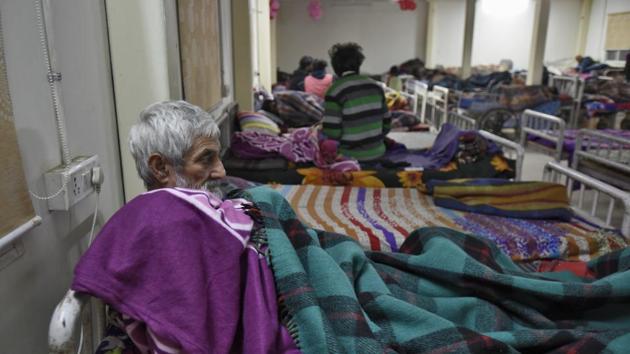
A view inside the Sarai Kale Khan shelter home. Reena Devi whose child suffers from a chronic disease, has been staying in a tent outside AIIMS metro station, but faces trouble as government-run toilets remain locked at night. The project coordinator running shelters at Sarai Kale Khan and AIIMS said it was difficult to get permission to set up even two tents at the hospital gate and there’s no space for toilets. (Burhaan Kinu / HT Photo)
7/8
 View Photos in a new improved layout
Updated on Dec 21, 2018 1:07 PM
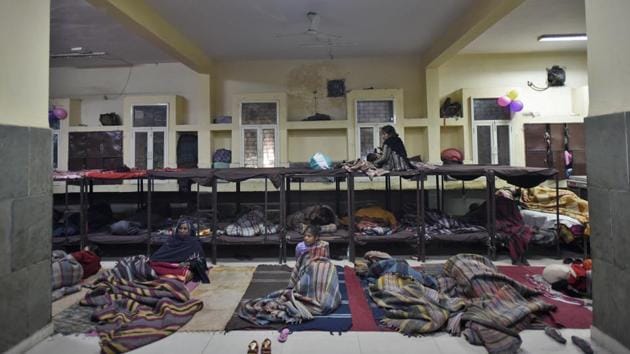
In all, the 248 shelters can house over 17,000 people. According to DUSIB officials, till Tuesday, occupancy was at around 8,700 people. The agency is not providing heaters as they are not safe and can cause fires. Guidelines of the National Urban Livelihoods Mission state that food and 50 sq ft space must be given to every person in the shelters. (Burhaan Kinu / HT Photo)
8/8
 View Photos in a new improved layout
Updated on Dec 21, 2018 1:07 PM


