

 E-Paper


Photos: Making traditional washi paper in Japan
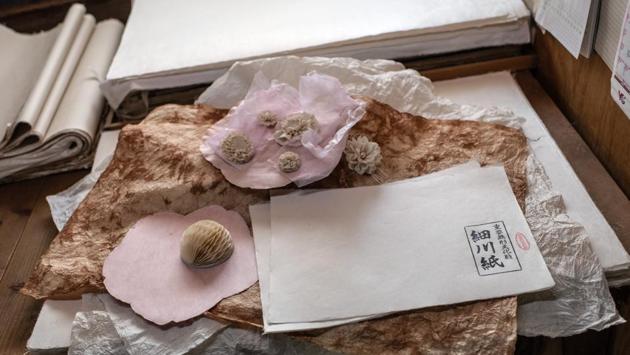
Washi is a traditionally handmade Japanese paper that uses strands from three plants to create sheets known for their textures, warmth and absorption. Inscribed on UNESCO’s intangible cultural heritage list, washi paper finds use in everyday things like clothing, art, printing and décor, to religious rituals and creating statues of Buddha. Hisako Uchimura’s workshop in Saitama prefecture, is one of seven nationally registered workshops that can make this uniquely adored paper.
1 / 8
 View Photos in a new improved layout
Updated on Apr 11, 2018 01:42 pm IST
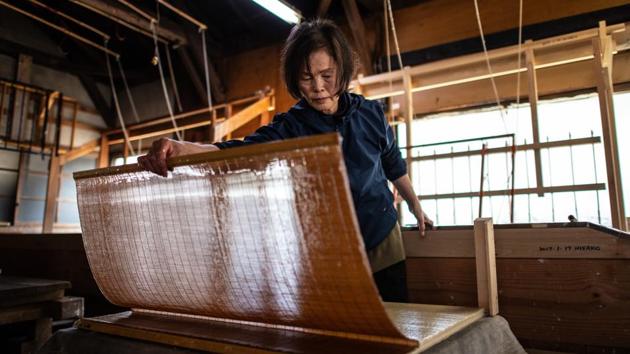
Hisako Uchimura adds finishing touches during ‘washi’ paper-making at Uchimura Kobo, a paper making workshop in Higashichichibu, Japan. Literally meaning ‘Japanese paper,’ washi is traditionally handmade from the inner-bark fibers of the gampi tree, kozo bush or mitsumata shrub. Today most paper in Japan is made in large automated mills, but a few hundred families still make washi the traditional way. (Carl Court / Getty Images)
2 / 8
 View Photos in a new improved layout
Updated on Apr 11, 2018 01:42 pm IST
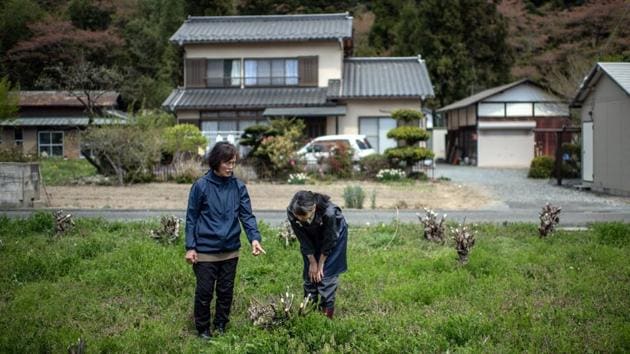
One of the seven nationally registered washi technicians, Uchimura (R) is seen checking a chopped kozo bush with her assistant Harumi Nakano near her washi making workshop at Uchimura Kobo. Washi was inscribed on UNESCO’s intangible cultural heritage list in 2014, implying that the heritage could disappear without special efforts to retain the technique. (Carl Court / Getty Images)
3 / 8
 View Photos in a new improved layout
Updated on Apr 11, 2018 01:42 pm IST
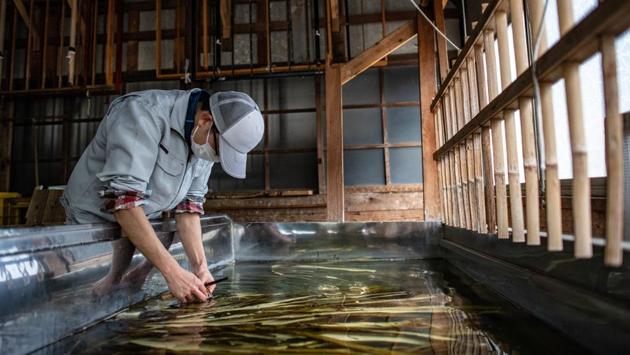
Taiki Ichimura, scrapes soaked kozo bark to remove grit and impurities during the paper-making process. Washi making, an intricate art is usually done in the winter months and uses cold water to contract the plant fibers, making for crisper paper. (Carl Court / Getty Images)
4 / 8
 View Photos in a new improved layout
Updated on Apr 11, 2018 01:42 pm IST
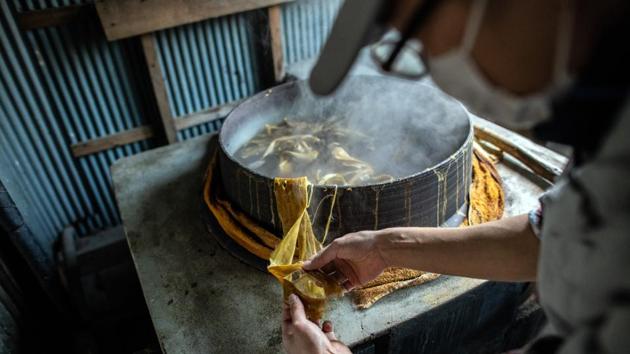
Once scraped, the bark is boiled in water to separate fiber and impurities, rinsed and dried. A second boiling in lye breaks fibers down and rids them of starch and tannin. Ichimura is seen here checking the consistency of the bark as it boils. (Carl court / Getty Images)
5 / 8
 View Photos in a new improved layout
Updated on Apr 11, 2018 01:42 pm IST
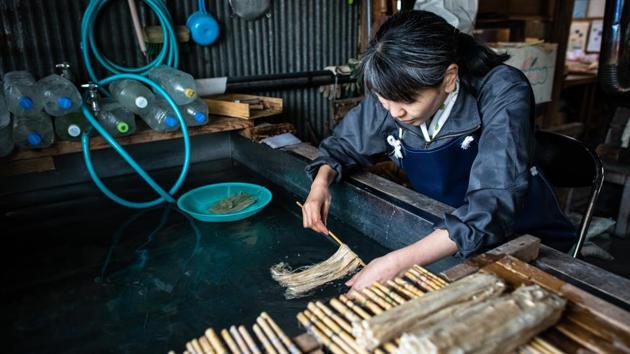
Karumi Nakano runs the now soft and pliant kozo fibers in pure running water one last time to remove lye residue and untangle individual fibers as they near the stage of becoming paper. Any minerals or impurities in the water at this stage can ruin the paper quality. (Carl Court / Getty Images)
6 / 8
 View Photos in a new improved layout
Updated on Apr 11, 2018 01:42 pm IST
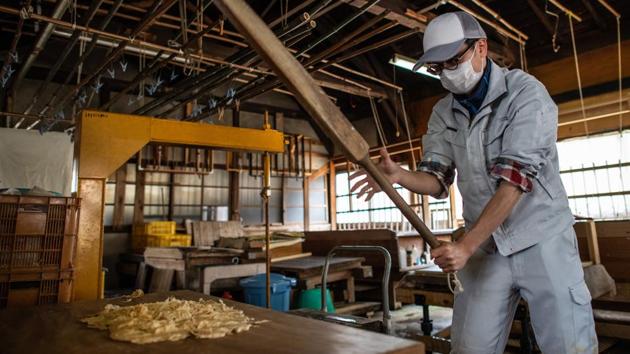
The kozo fibers are pounded to further break them down in to pulp. A type of mulberry, kozo, is easily cultivated and preferred for its superior quality and quantity of fibers. It takes two to three years for the bark of the kozo to mature enough for paper making and the harvesting occurs in late fall or early winter after the leaves have dropped. (Carl Court / Getty Images)
7 / 8
 View Photos in a new improved layout
Updated on Apr 11, 2018 01:42 pm IST
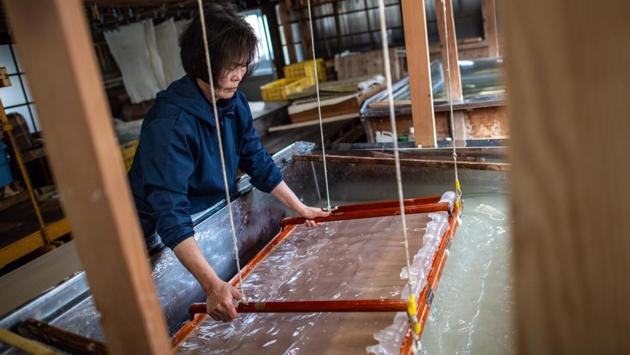
Hisako Uchimura lowers a bamboo mesh screen called su, into a vat of pulp mixed with fermented hibiscus root that makes adhesive slurry. The pulp is spread on to the screens, evened and the wet sheets are laid out to dry on wood in the sun or with indoor heaters. (Carl court / Getty Images)
8 / 8
 View Photos in a new improved layout
Updated on Apr 11, 2018 01:42 pm IST