
 E-Paper



Photos: A surge in cases erodes Japan’s initial success against Covid-19
Coronavirus cases in Japan are at an all-time high as the country finds itself dealing with a resurgence of infections after what was perceived as a success in mitigation earlier in the year. The country recorded 1,464 new cases on August 1 according to the worldometers coronavirus tracker, nearly double the rate of daily cases in early April when the first wave was at its peak. Experts say a hasty opening aimed at getting the economy going may have been the undoing of gains made early on by the island nation.
Updated on: Aug 2, 2020 7:29 PM IST


Share via


Copy link

1/8

 View Photos in a new improved layout
Updated on Aug 2, 2020 7:29 PM
Commuters wearing protective face masks cross a street in Tokyo on July 30. Japan garnered global attention after containing the first wave of Covid-19 with what it referred to as the “Japan Model” -- limited testing and no lockdown, nor any legal means to force businesses to close. But now the island nation is facing a formidable resurgence, with Covid-19 cases hitting records nationwide day after day. (Issei Kato / REUTERS)
2/8
 View Photos in a new improved layout
Updated on Aug 2, 2020 7:29 PM
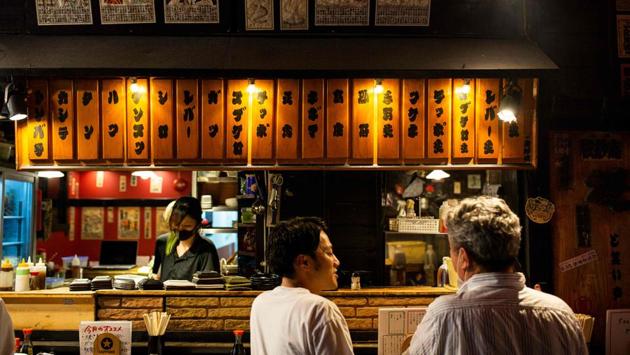
People eat at an ‘izakaya’, or Japanese-style bar, in Tokyo’s Shimbashi area on July 31. Infections first concentrated in Tokyo have spread to other urban areas, while regions without cases for months have become new hotspots. And the patient demographic -- originally younger people -- is expanding to the elderly, a concern for a country with the world’s oldest population, Bloomberg reported. (Behrouz Mehri / AFP)
3/8
 View Photos in a new improved layout
Updated on Aug 2, 2020 7:29 PM
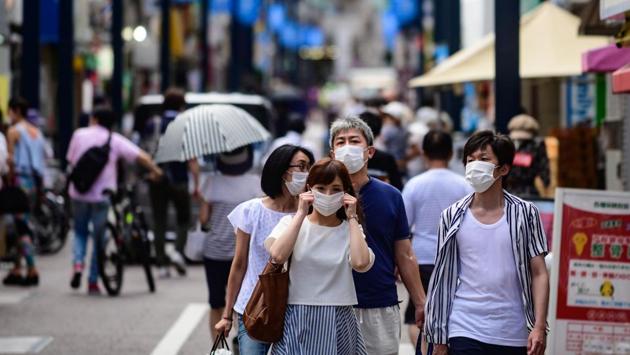
People wearing face masks seen at Togoshi Ginza shopping street in Tokyo on August 1. While Japan declared a state of emergency to contain the first wave of the virus, it didn’t compel people to stay home or businesses to shut. That was ended in late May and officials quickly pivoted to a full reopening in an attempt to get the country’s economy back on track. Japan’s haste may have been premature, experts told Bloomberg. (Philip Fong / AFP)
4/8
 View Photos in a new improved layout
Updated on Aug 2, 2020 7:29 PM
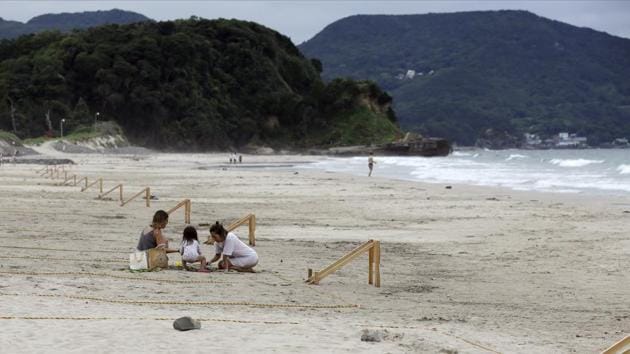
Beach goers stay within a roped off grid in Shimoda on July 30. “The government should have had a proper strategy to contain the transmission as promptly as possible,” Kenji Shibuya, a professor at King’s College London and a former chief of health policy at the World Health Organization told Bloomberg. “Japan is making things worse by just waiting and seeing.” (Kiichiro Sato / AP)
5/8
 View Photos in a new improved layout
Updated on Aug 2, 2020 7:29 PM
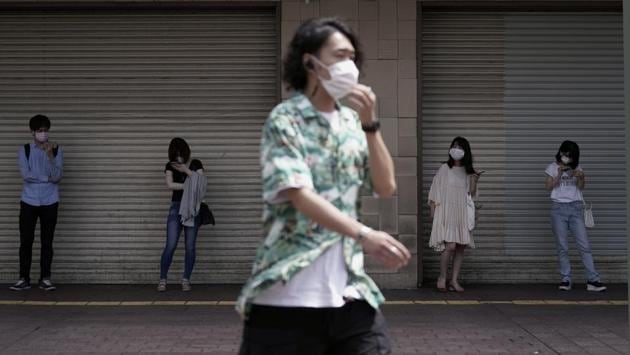
People wearing masks maintain social distance while hanging out near Shibuya pedestrian crossing in Tokyo on July 31. While people have continued to wear masks throughout the pandemic, the current infections have largely occurred in situations where face coverings aren’t typically worn, like group dining and drinking events. (Eugene Hoshiko / AP)
6/8
 View Photos in a new improved layout
Updated on Aug 2, 2020 7:29 PM
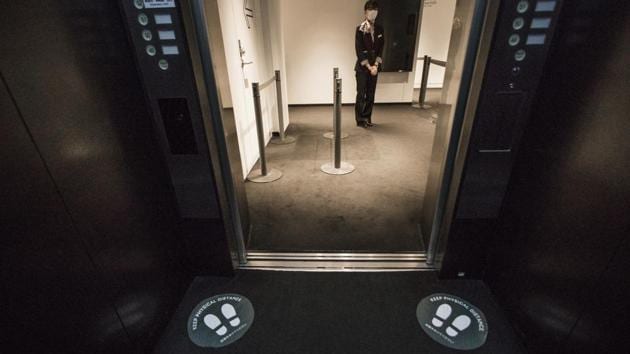
Social distancing markers are displayed on an elevator in the Roppongi district of Tokyo on July 30. The national government continues to argue that the situation this time is different. Chief Cabinet Secretary Yoshihide Suga reiterated July 31 that another state of emergency isn’t required. The death rate in Japan remains low and country has fewer than 100 people in critical care due to Covid-19. (Shoko Takayasu / Bloomberg)
7/8
 View Photos in a new improved layout
Updated on Aug 2, 2020 7:29 PM
Workers disinfect seats at the Kabukiza Theatre on July 31 ahead of the resumption of Japan's traditional Kabuki theatre a day later in Tokyo. In a sign that the situation can no longer be ignored, local officials are starting to backtrack on economic reopening. Osaka has asked people to refrain from dining in groups of five or more. In Tokyo, restaurants, bars and karaoke shops have been asked to shorten operating hours. (Issei Kato / REUTERS)
8/8
 View Photos in a new improved layout
Updated on Aug 2, 2020 7:29 PM


